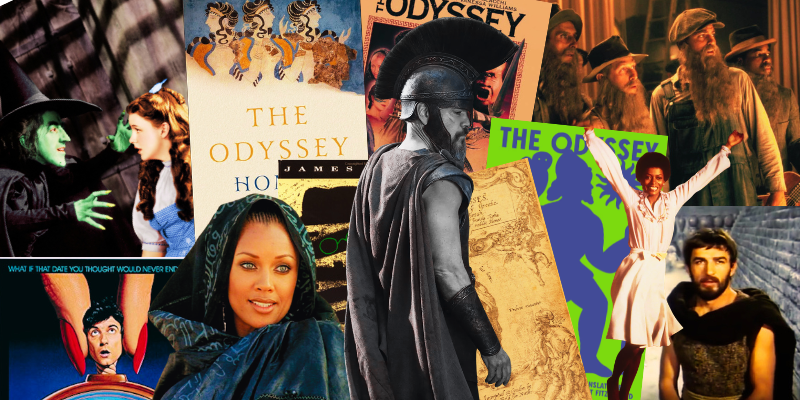
It’s a story we just can’t seem to quit. From antiquity to outer space, literature and film are filled with scrappy adventurers struggling to get home.
This week, Christopher Nolan cashes in on that safe narrative bet with a new Odyssey starring Matt Damon and Anne Hathaway. We may debate the success of this latest epic. But one thing’s for sure: Homer’s story isn’t going anywhere.
Speaking of stories—of the dozens and dozens of adaptations, it’s also true that some Nobodies are better than others. Here’s an irrefutable, completely objective and scientific list ranking odysseys for ye discerning adventurers.
 10.
10.
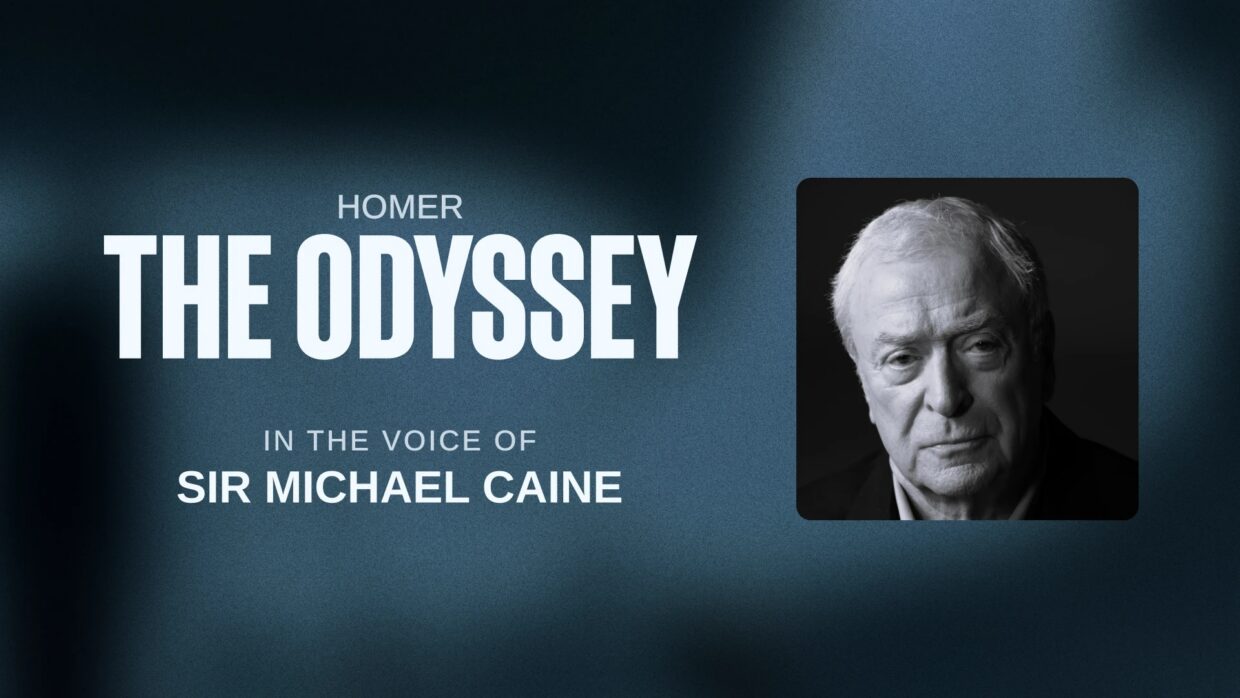
Michael Caine’s AI-dyssey (2026)
The actor Michael Caine recently licensed his expressive voice to a large language model, enabling a robotic avatar to narrate the tale. This development presents several drawbacks. But today my favorite grievance is straightforward: AI narrators undermine the very essence of storytelling.
If the person supposedly voicing the epic to you was merely too idle to read the poem aloud, what are we even doing here, friends? End of the line, with a bullseye.
 9.
9.
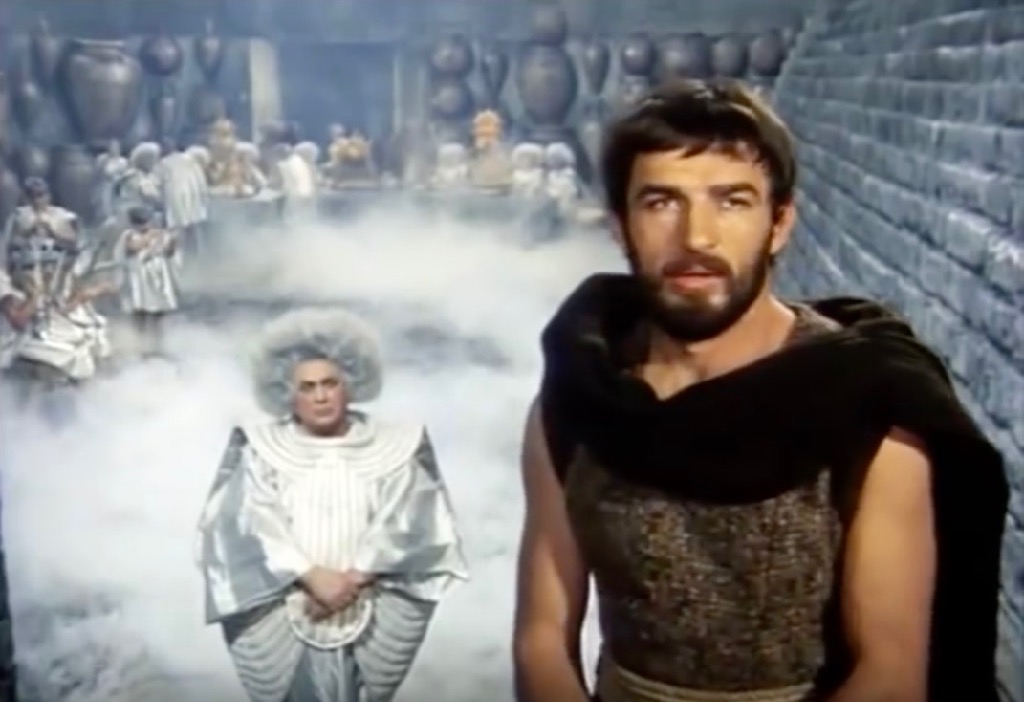
L’Odissea (1968)
In a recent New Yorker letter, the critic David Denby explored why The Odyssey has outmaneuvered so many adaptors. As a case in point, he revisits an eight-part Italian miniseries in which Ithaca is rendered fairly dull.
8.
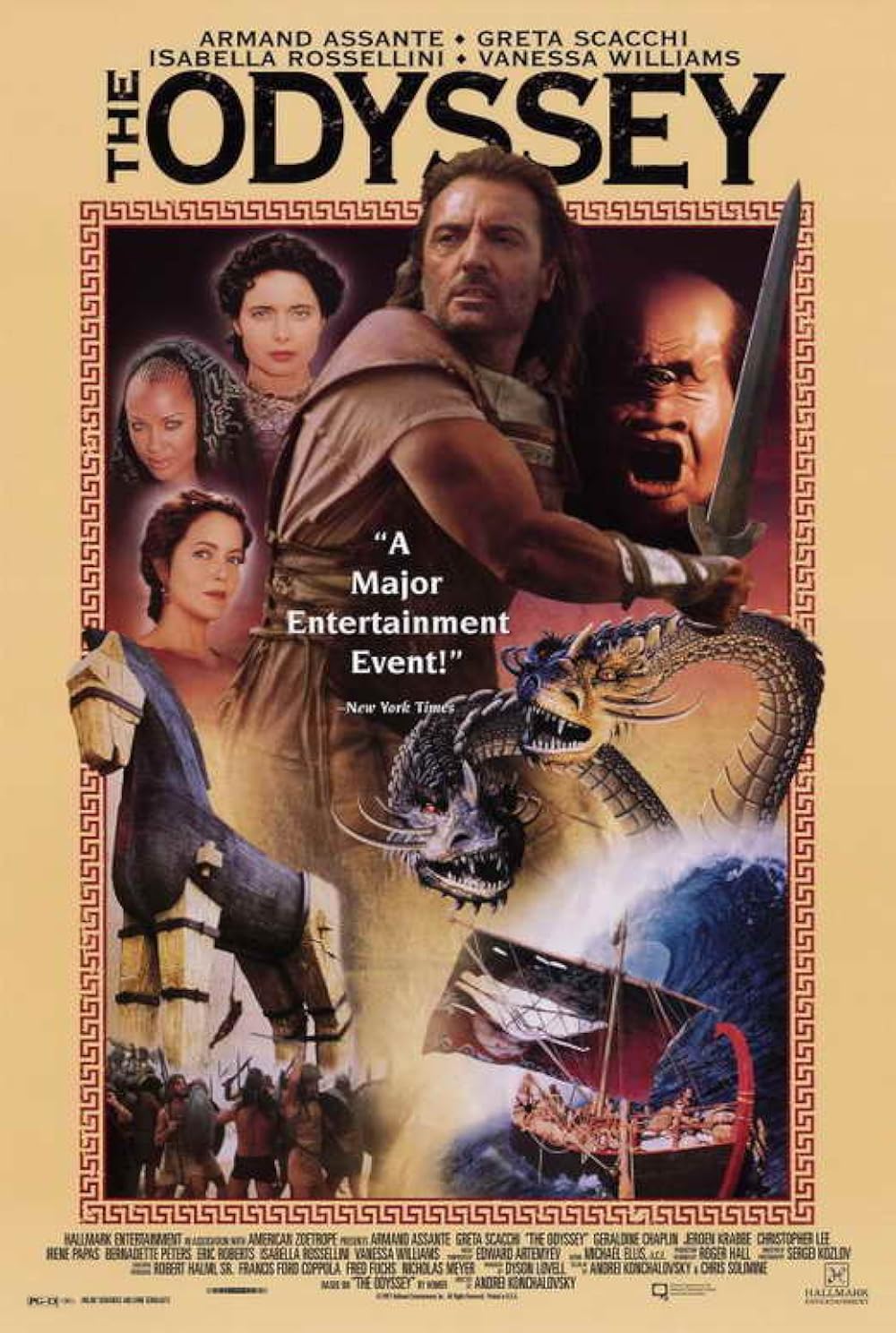
The Odyssey (1997)
Did you know there was a glossy Odyssey mini-series released in 1997? (And that it starred Eric Roberts and Vanessa Williams?)
This epic didn’t manage to lodge itself as a cultural staple—even though Variety praised at release as “on a minute-to-minute basis the most expensive TV drama ever made.” The tale drew critiques for the same flaw Denby flagged: while the adventure sequences shone, the script missed the depth or insight of the source material.
7.
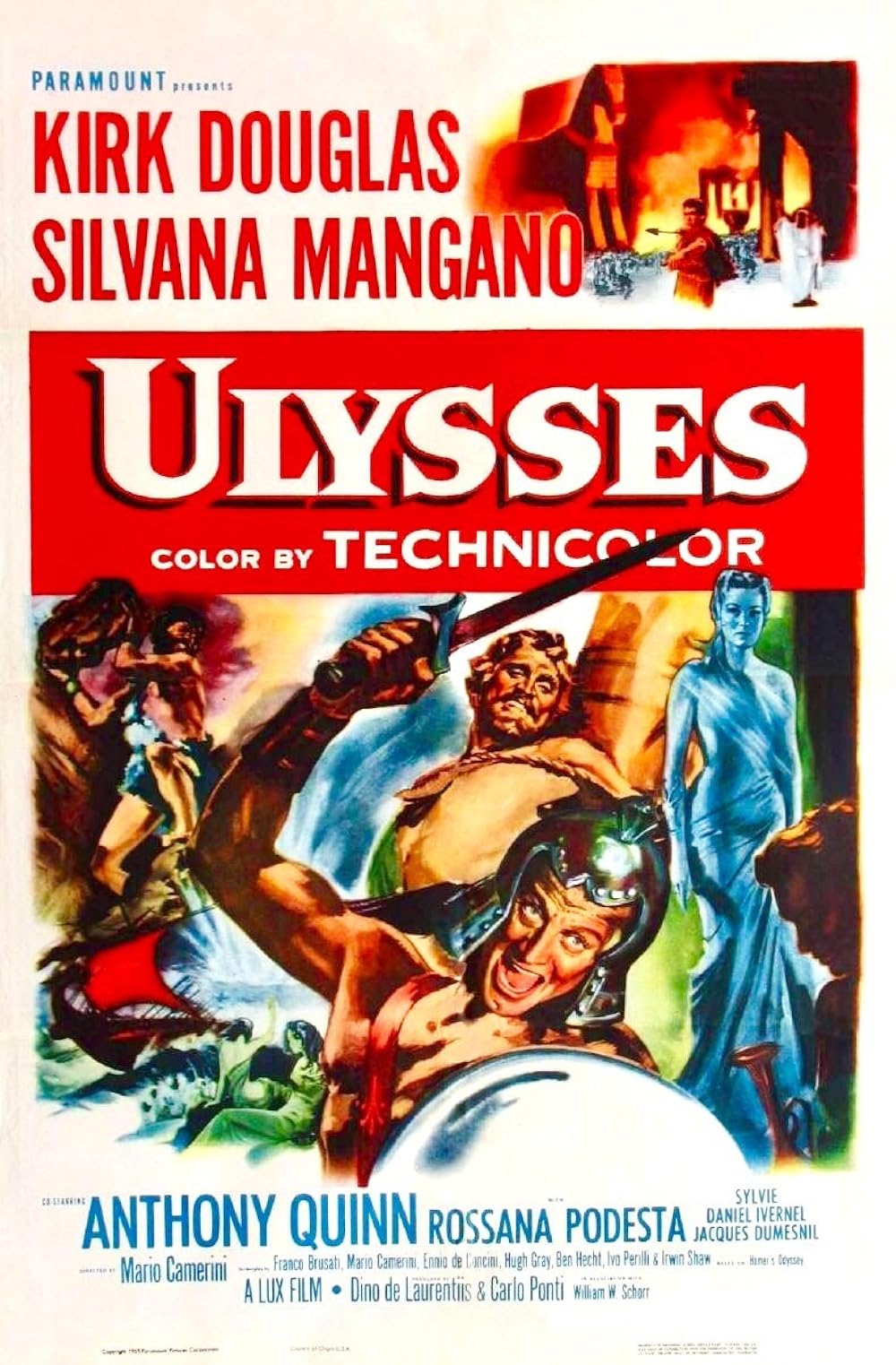
Ulysses (1954)
This first major Hollywood adaptation of the tale was monumental in scope, yet The New York Times criticized it for a certain gaudy technicolor sheen and questionable casting.
And alas, poor Kurt! Critic Bosley Crowther longed for “someone a touch more transcendent” in the lead role.
6.
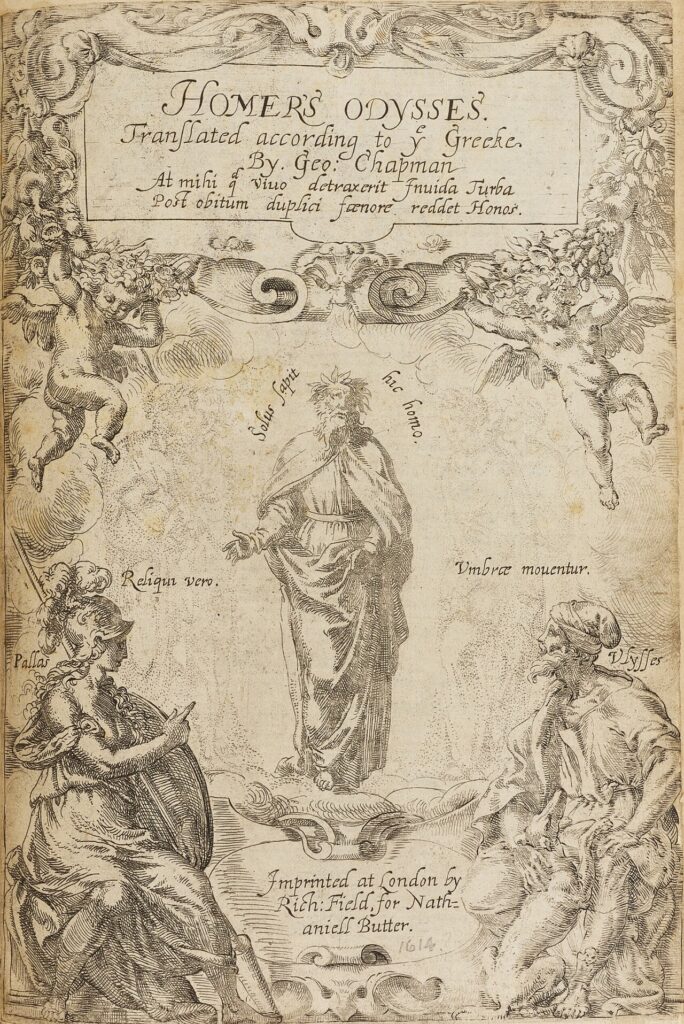
George Chapman, The Odyssey (1616)
Though not every non-scholar will find the 1616 version a tad roomy, Chapman’s rendering of the epic laid its foundations on English-speaking shores. And hey, firsts carry weight.
His project wasn’t fully faithful to the original Greek text, though. Writing in the Los Angeles Review of Books, historian Richard H. Armstrong observed that Chapman’s translation is “surrounded by punchy commentary and wild claims, both for Homer’s genius and his own credentials as a translator.” Ego chasing ego, I suppose.
 5.
5.
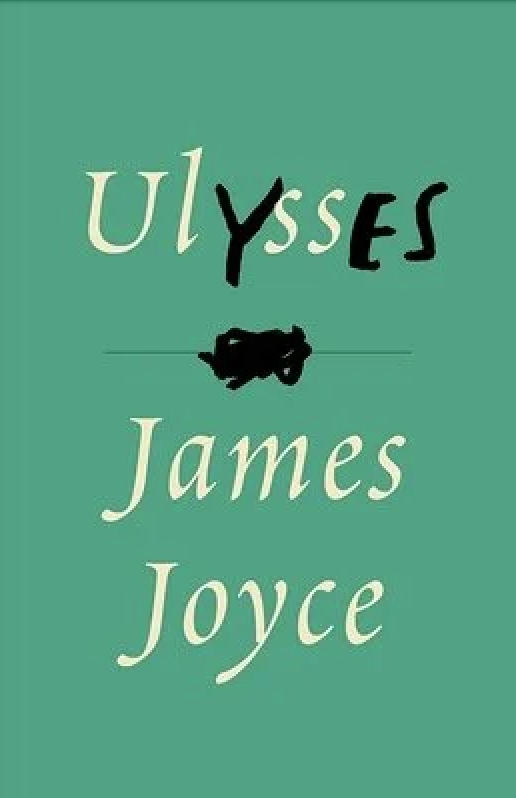
James Joyce, Ulysses (1922)
I know, I know. It’s hard to find room for out-of-the-box adaptations. By that gauge, we might also count Charles Frazier’s Cold Mountain, or Scorsese’s After Hours, or any number of adventure-and-homecoming retellings. I’ll acknowledge your objections.
Yet I’d be remiss not to acknowledge Ulysses’ most immediate literary successor. In this case, Dublin becomes Ithaca, and the timeline tightens. Something in me suspects Homer would approve of this taking a similarly compact path.
4.
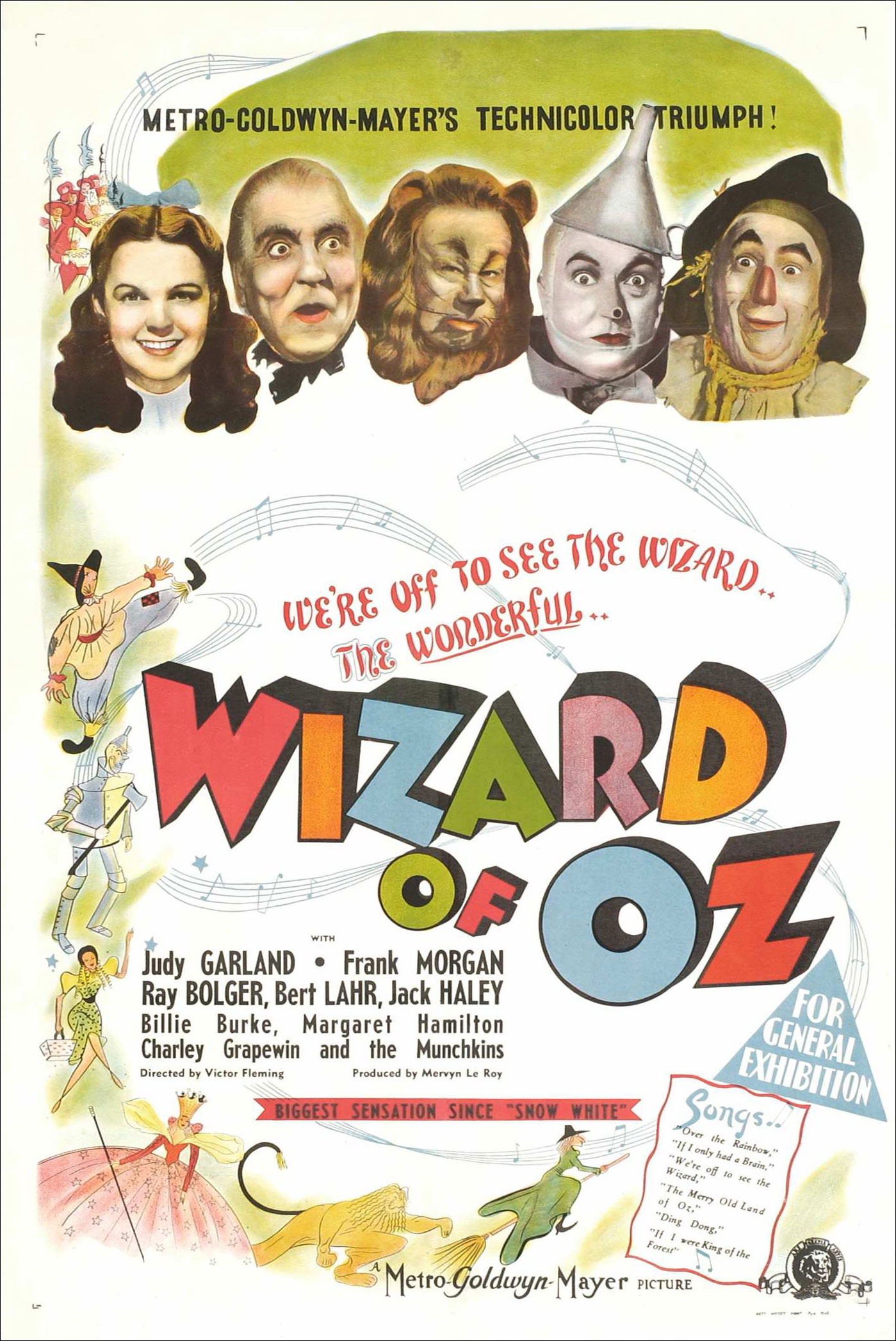
L. Frank Baum & Victor Fleming, The Wizard of Oz (1939)
Sticking with the realm of inventive twists on a hero’s journey, Oz earns a case for itself here. In this odyssey, Dorothy Gale doesn’t seek humility, nor does she enter with unshakable confidence. Her voyage home centers on empowerment rather than surrendering it, making the journey itself feel especially poignant. The Wiz is a related reference point for this reimagining.
3.
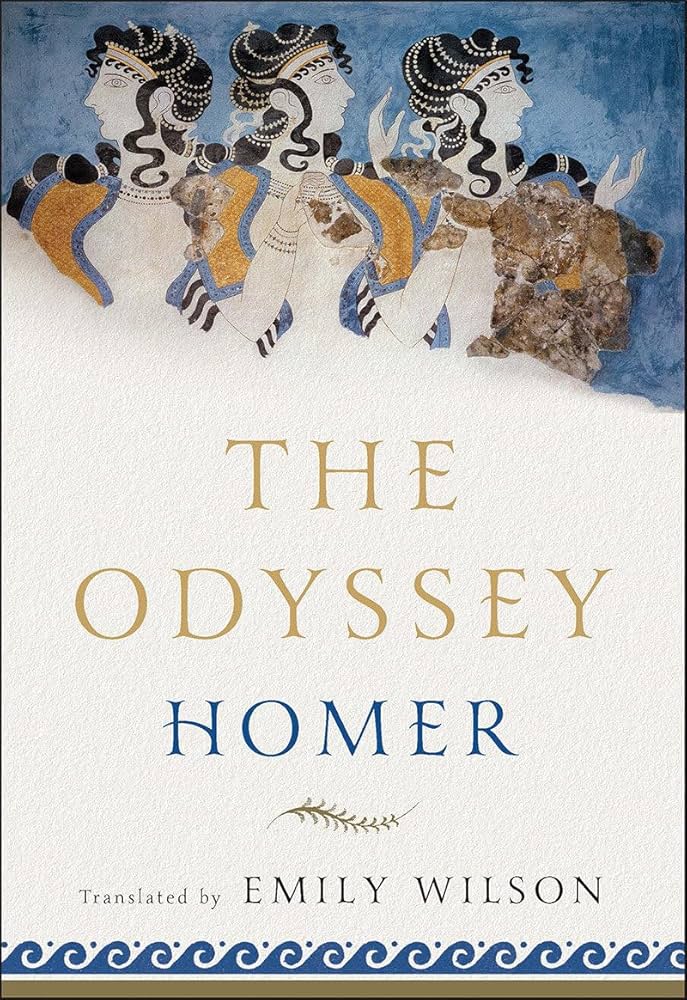
Emily Wilson, The Odyssey
Some readers may resist the idea of modernized adaptations, yet Wilson’s edition, released in 2018, helped reintroduce the epic to a broad contemporary audience. Critics like Annalisa Quinn from NPR praised the classicist for trimming away the “nostalgic clutter” that makes older versions feel stodgy.
Wilson also delivered the verse in what she called “friendly iambic pentameter,” a choice that many readers felt recaptured a conversational rhythm suited to a text meant to be heard aloud.
 2.
2.
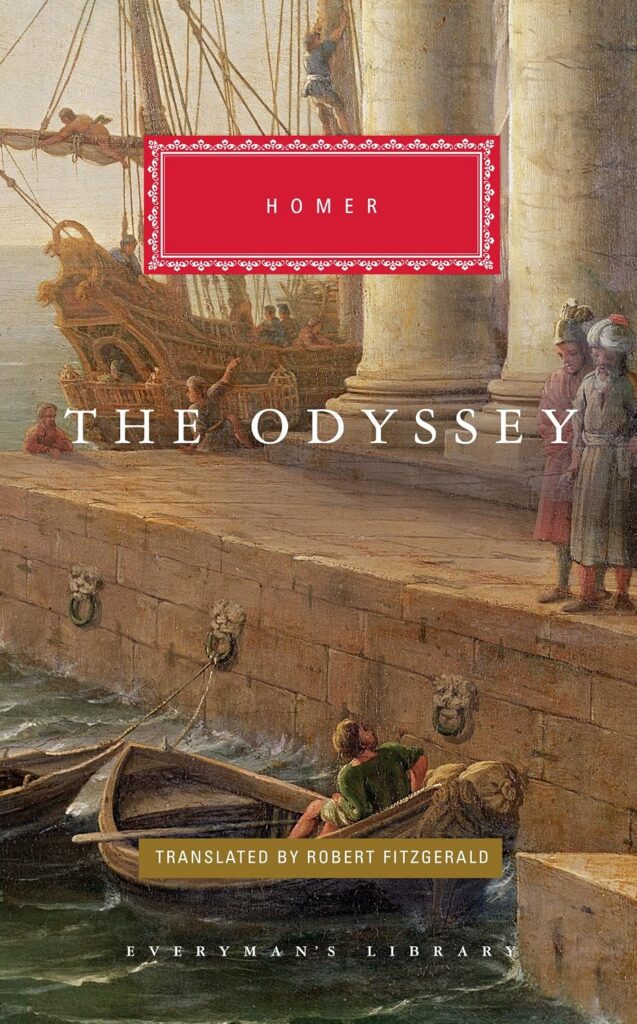
Robert Fitzgerald, The Odyssey (1961)
Scholars may debate translation choices as long as cinephiles stay engaged. Do we lean toward the scholarly Lattimore, or the cinematic Fagles? This Mendelsohn edition looks intriguing, but what about Cesare Pavese?
Speaking from the classroom of personal favorites, I lean toward Fitzgerald myself. In a 1974 New York Review of Books, critic D.S. Carne-Ross extolled this beloved rendering of The Odyssey for its unmatched poetry: “No earlier translation was entirely satisfactory.”
1.
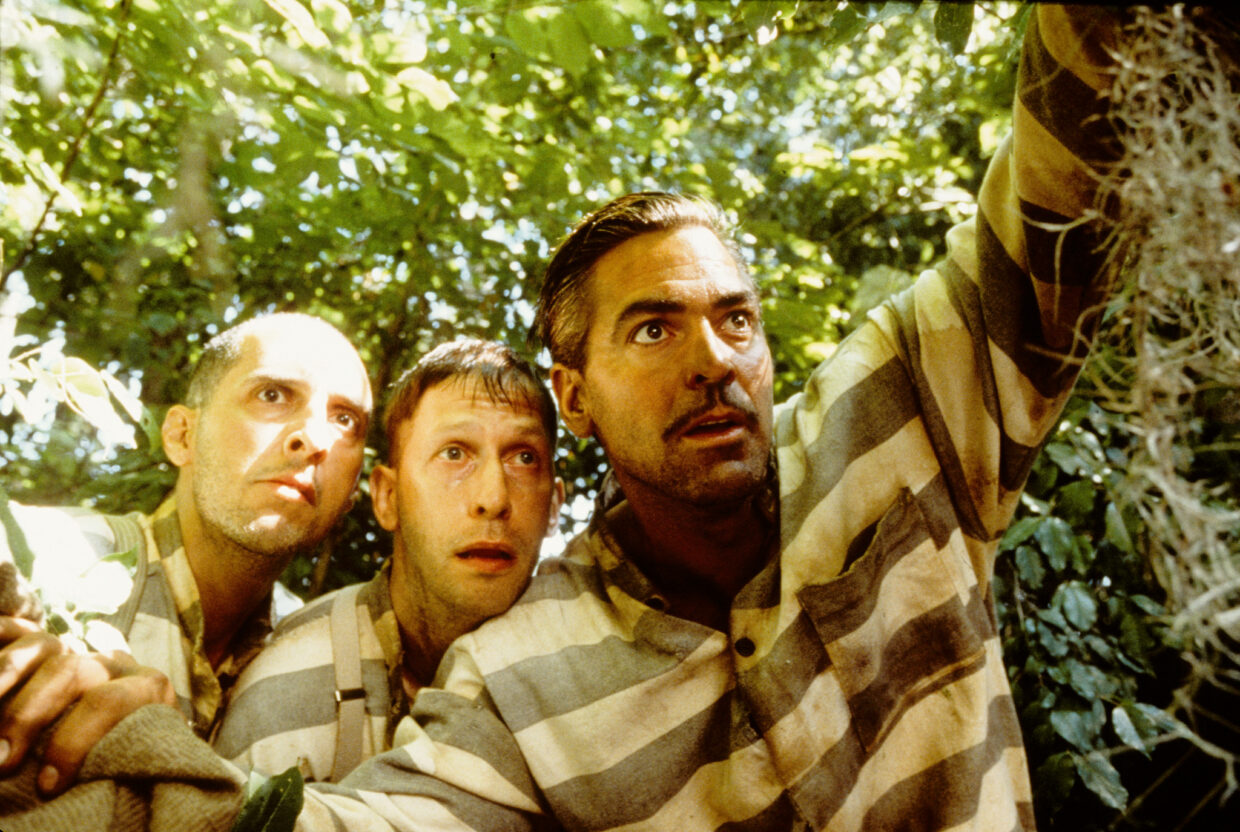
Coen Brothers, O Brother Where Art Thou (2000)
When asked to identify distinctly American works of art, this Depression-era odyssey instantly comes to mind. In the Coen brothers’ film, we meet a cast of foibles, jailbreaks, sirens from the hills, and a Southern world that can be both impeccably stylish and perilously violent.
As Denby reminds us, “Odysseus is a fighter with wit and intellect, a trickster and dreamer who continually reinvents himself.” Clooney’s Ulysses (…Everett McGill) embodies the second part of that description, underscoring the war hero’s unexpectedly deft flair for invention. It takes a cunning man, after all, to conjure a chart-topping earworm on short notice.
Whichever compass you follow—Nolan or Joyce—here’s hoping you don’t wander too far for too long.