
Even before the first Molotov cocktail reached us, and before the crowd with knives and machetes and wooden clubs arrived, a single large rock forced its way onto our lunch table. It skimmed past my left ear, bounced across the surface, scattering food before slamming into the restaurant’s glass window right in front of me. The moment happened so swiftly that I initially mistook it for a bug, perhaps a mantis buzzing by. Yet the sound of breaking glass and the cries of the workers inside sent our hearts racing—what we had been dodging for weeks had finally come. The riot had come to our doorstep. Minti and I had decided to venture off campus to the Easy Go departmental store for groceries, and as we were returning with our driver, Satpal, a man in his late twenties, we paused at a roadside dhaba operated by one of his friends. We were worn out from eating at the campus cafeteria. With a curfew and violence erupting beyond the campus gates, we had been confined within the university’s thirty-acre grounds for two weeks, spending most of our time in our apartments, waiting for life to snap back to normal. Spring break had been prolonged indefinitely, and the university had recommended that students not come back until further notice.
Going there for lunch wasn’t my plan. I wanted to rush to safety at once, but Minti insisted it would be fine; Satpal knew the owner, and according to reports from the media, university authorities, the Campus Safety Office, and her colleagues, the violence on the streets was under control and order had been restored.
More rocks followed the first strike, arriving like hail. In seconds, the windshields of four cars shattered. Our own vehicle remained intact a few feet away, and I looked at Minti with a helpless expression—we might need to run. A nearby family, just starting their meal, dragged themselves toward their small car. The man clutched a bag, the woman cried out and flailed her arms, and the teenage boy pulled at his sister, who appeared dazed.
“Rohit, watch your head!” Minti screamed.
I scooped up a steel dish to shield myself from a flying rock, rice scattering on the courtyard’s concrete. “Run!” I shouted, and we hurried toward our car.
Then we heard the screams. A rock had busted through the family’s rear windshield where the mother and little girl sat. Minti moved toward them but paused when a bottle whizzed through the gap left by the broken window and burst into flames.
“Fetch some water!” Minti shouted, pointing to the jug on our table, and sprinted toward it.
But the car sped off, hurtling down the street as smoke and the family’s cries mingled. I didn’t have time to consider whether they would survive, or if their car would explode in the middle of the road. I turned away, glimpsed the abandoned gleaming leather and pink duffel belonging to the family, and felt something tug at my heart. Were they doing the right thing? What was the right thing to do in this moment? Should we rush to our own car?
The sounds of the angry crowd were growing louder—as if an entire marketplace, shouting and bargaining, was marching toward us like a swarm of bees.
Satpal suddenly came rushing out of the building that housed the dhaba, shouting, “Ma’am, we have to go.”
“What happened, Satpal?” Minti stood beside our table, a fork in hand, a piece of chicken still hanging from it.
“I saw from the terrace! They are armed!”
Satpal dragged us back into the building through a heavy iron door, leading to a storage room, followed by four flights of stairs up to the terrace of the dhaba. It was cluttered with broken chairs, clotheslines, and a rotting mattress leaning against the waist-high wall that marked the terrace’s boundary. Near the roof’s edge stood a giant water tank. It looked like an enormous hippopotamus sitting vertically on the wall, defying gravity. A ladder leaned against it.
“Where will we hide?” I asked.
Urged by a weeping Satpal, we climbed into the water tank using the ladder. Then Satpal covered it with the massive concrete lid, sending us into a darkness so black that I couldn’t see my own palms. The first sensation was the ice-cold winter water. We were knee-deep and enveloped in an eerie, cool stillness. I didn’t know how long we were inside; it was hard to hear what was happening on the streets and ground floor. I heard a noise from outside. But it was just din: the din of people panicked, worried, screaming for help. It felt as though all that din, all that cumulative din, was coming from far; very far away. As if the cold-water tank had transported us to another dimension.
“Minti, are we going to die here?” I whispered. “Rohit, nothing will happen to us. We will be fine.”
We heard a male voice on the terrace. “Look there, under that rotting mattress!”
Minti covered my mouth. I pulled out my phone from my back pocket. In the dim light produced by the phone, I could see the whites of her eyes widen.
My legs ached from the icy water. They turned numb as if they had melted into the water, and I was just floating; it felt like nothing existed beyond my thighs. My legs started to burn. It was then I felt it: something warm, cutting through the icy water. Fresh water was entering the tank. Had one of the vandals entered the kitchen downstairs and switched on the motor? It felt so lovely. The warm freshwater was moving up inch by inch toward my thighs, then to my waist, then to my chin. My legs came back to life. The ache from the icy water was gone.
Could this be the feeling of drowning?
I shouldn’t have come back home. Everyone had told me to accept the job I was offered in rural Minnesota. But I would never have fallen in love if I had not returned to India. I had just started my life. And in turn, my heart had shattered. I deserved to get some time to mend it. I deserved to experience the heaviness of a broken heart.
Is this how a life ends?
__________________________________
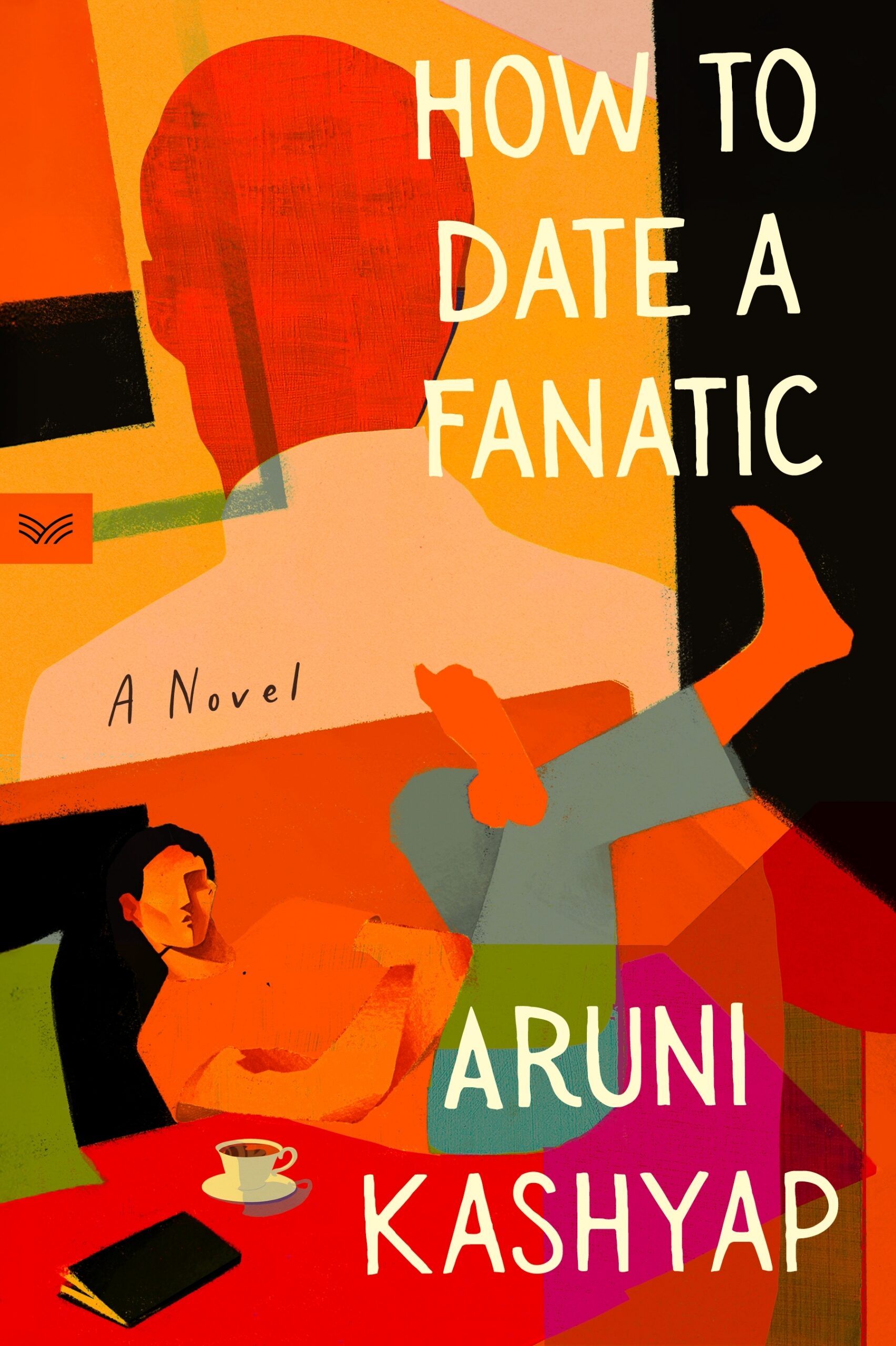
From How to Date a Fanatic by reprinted with permission from HarperVia, an imprint of HarperCollins Publishers. Copyright 2026.