
From the hard, hard courts of professional tennis to the mean screens of social media to the life and times of an iconic indie rock songwriter, this month has something for everyone.
*
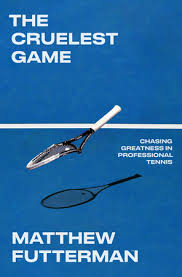
Matthew Futterman, The Cruelest Game
Even a casual follower knows that tennis ranks among the harshest tests in sport. Beyond the physical strain, it is the mental burden that wears players down the most, with countless rallies and pauses that foster (and sometimes fracture) pressure from within. Veteran tennis journalist Matthew Futterman draws on unprecedented access to examine how the game’s biggest stars manage—or occasionally buckle under—the relentless pressure of competing at the highest level.
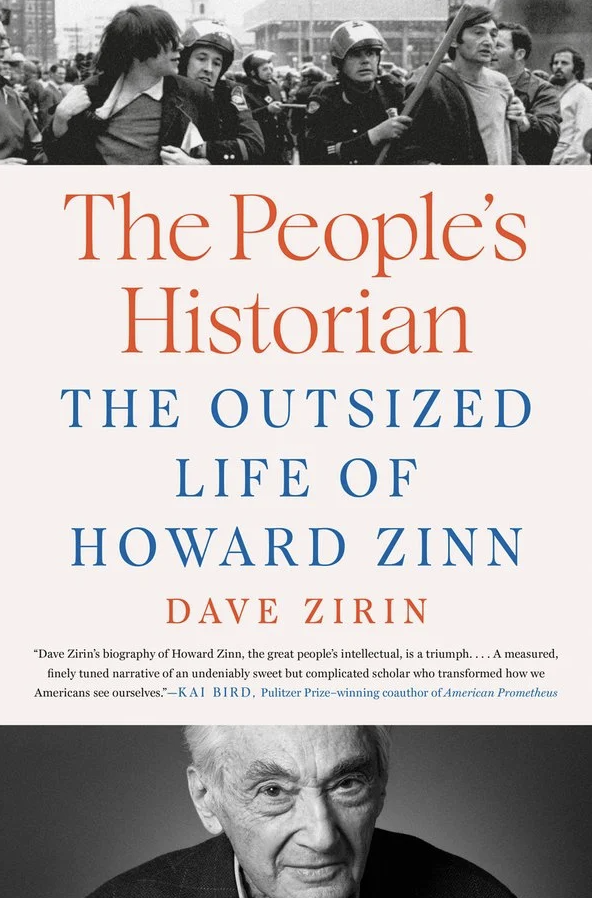
Dave Zirin, The People’s Historian
Dave Zirin, everyone’s favorite left-leaning sports writer, is the ideal guide to a life of the most celebrated leftist historian, the late Howard Zinn. And in case you’ve forgotten, Zinn did more than chronicle the American century—he lived through its defining moments, from the Depression and WWII to Civil Rights marches and helping secure POW releases in Vietnam. Through it all he constantly challenged the dark underbelly of American power and its far-reaching consequences for all of us.
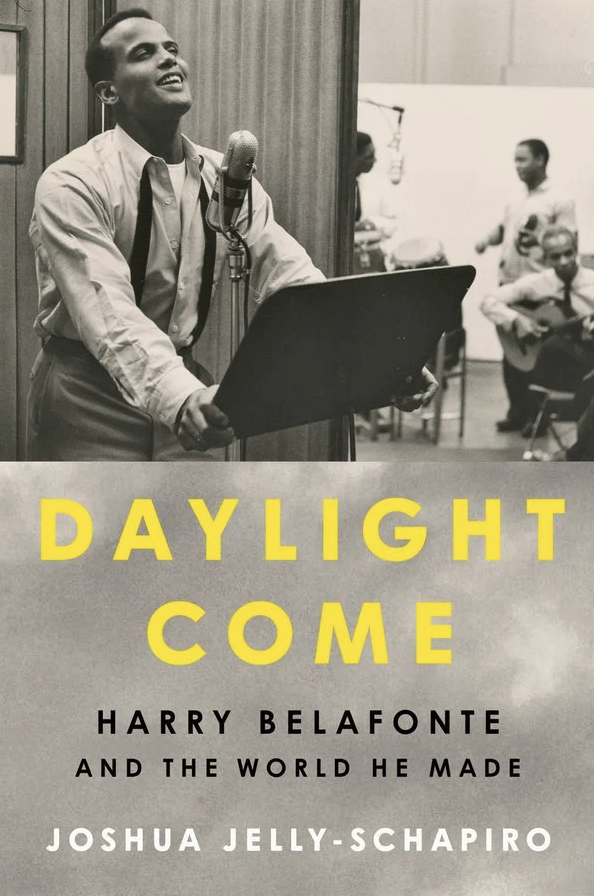
Joshua Jelly-Schapiro, Daylight Come
Joshua Jelly-Schapiro’s 2021 Names of New York was a luminous blend of insight and easygoing conversation, so we’re eager to see his examination of Belafonte’s life, work, and enduring influence. Beyond his music (he’s known as the “King of Calypso”), Belafonte was a tireless Civil Rights champion who used his fame to advance the cause and formed a deep friendship with Martin Luther King, Jr. We expect Jelly-Schapiro to craft a portrait of Belafonte that is nuanced and highly readable.
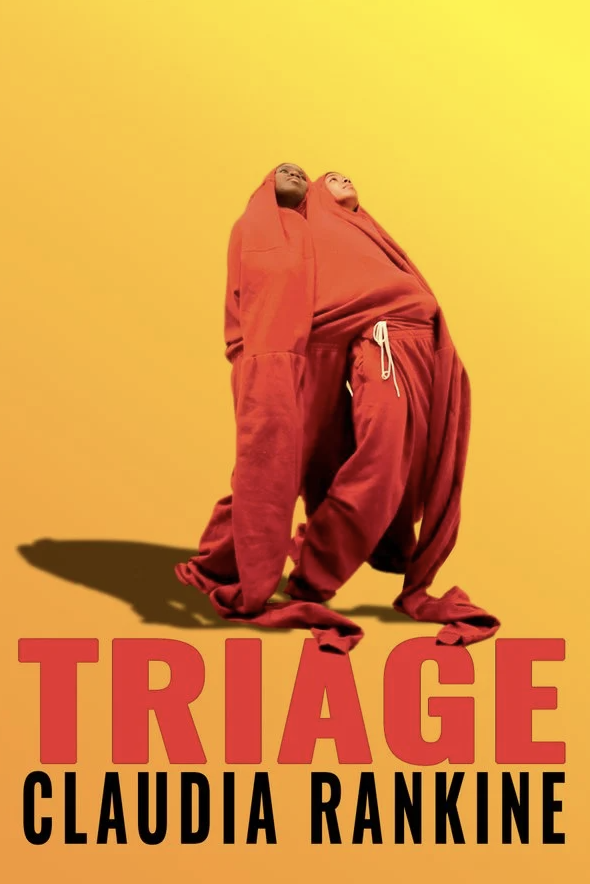
Claudia Rankine, Triage
Rankine’s first book since 2020 promises a shift in format, if not in craft. In Triage, she fuses full-color imagery with extended prose to present a complex portrait of a fraught friendship between two composite figures—the narrator and the theorist. Rankine excels in flexible form, and we’re excited to see how she threads memoir, theory, and imagery together.
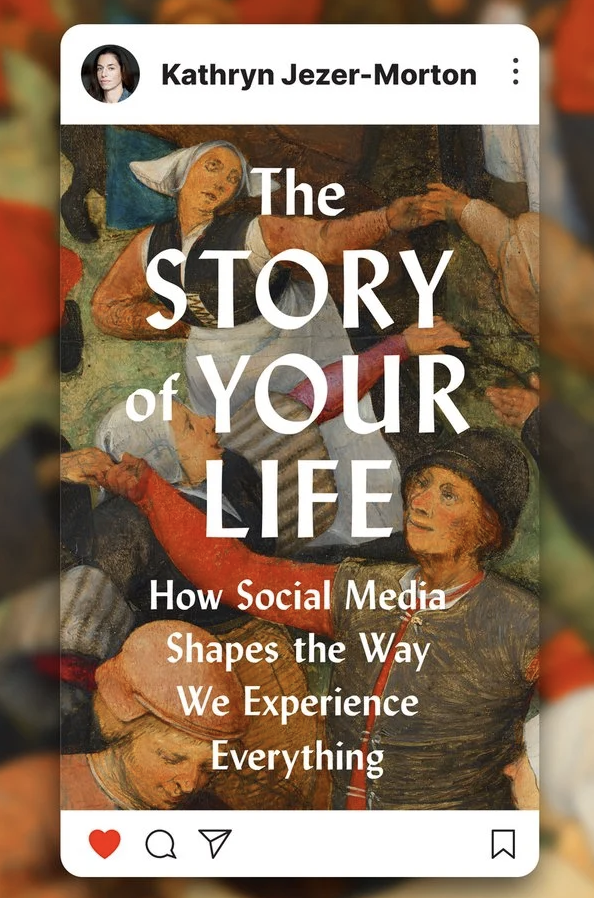
Kathryn Jezer-Morton, The Story of Your Life
It’s not controversial to note that social media can be a harmful force. The questions, though, are why it behaves this way and how over the past two decades it has reshaped individuals and culture alike. Jezer-Morton’s deeply researched, intimately reported examination digs into how the stories we broadcast about ourselves have become inseparable from our inner sense of self. It may be a sobering read, yet it offers more nuance than a blunt condemnation.
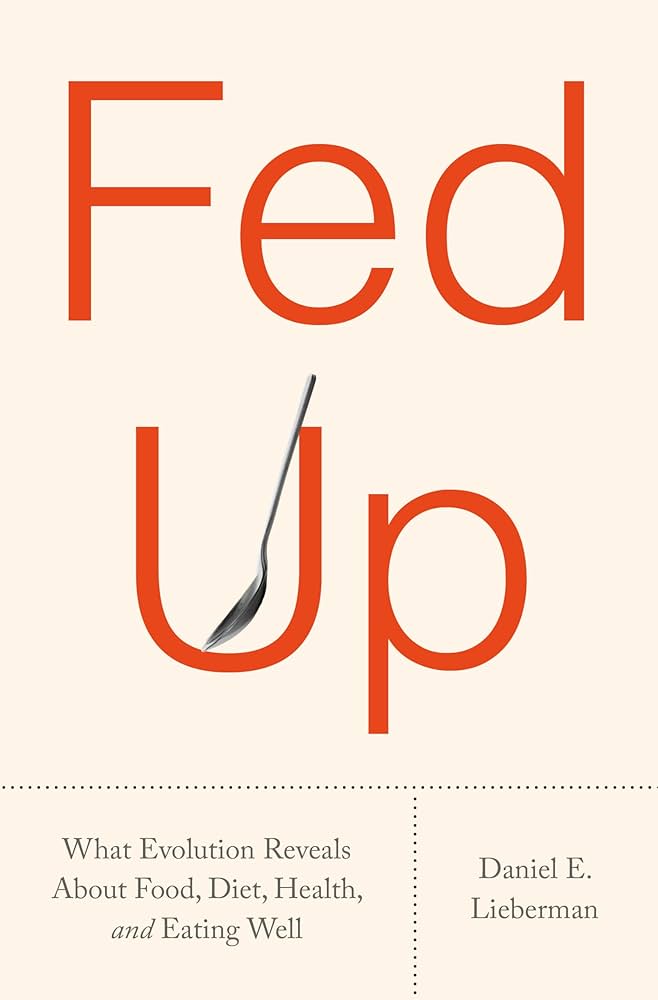
Daniel E. Lieberman, Fed Up
Diet culture continues to dominate public discourse, with charismatic figures hawking the supposed fixes that promise to cure every problem if we only alter our eating. Instagram, in particular, acts as a powerful platform for these so‑called nutrition gurus. So what is the current state of our understanding about what constitutes a healthy diet for humans? Harvard University’s Daniel E. Lieberman, founder of the Department of Human Evolutionary Biology, asserts that there is no simple, definitive answer. That sober, science-based realism—while not the most satisfying slogan of “just eat this”—is exactly the kind of clear-eyed guidance we could all use right now.
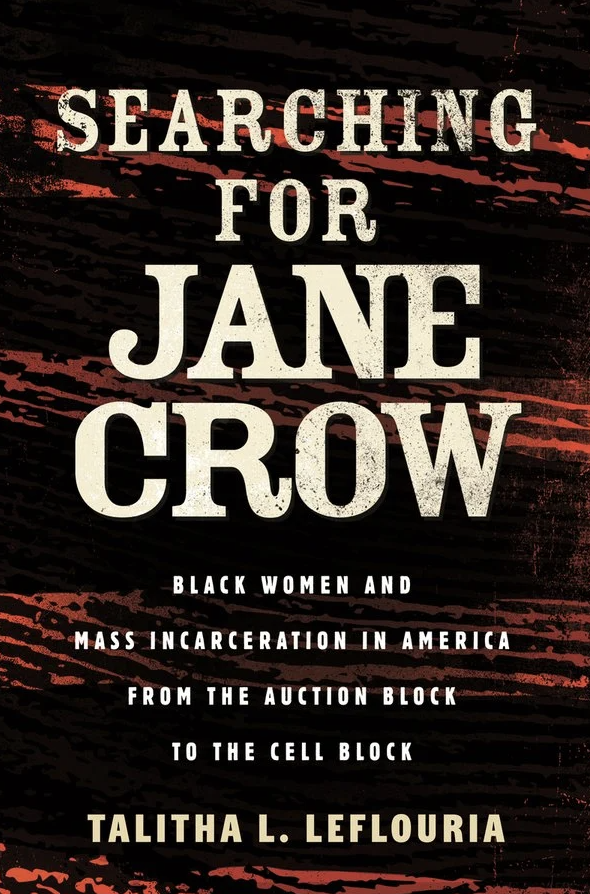
Talitha L. LeFlouria, Searching for Jane Crow
Historian Talitha L. LeFlouria places Black women at the center of a carefully researched journey through American mass incarceration, tracing its roots back to slavery. She voices the story through the perspectives of numerous Black women across history, highlighting the unique humanity of those exploited by a system that seeks to dehumanize. An essential read, even if it isn’t an easy one.
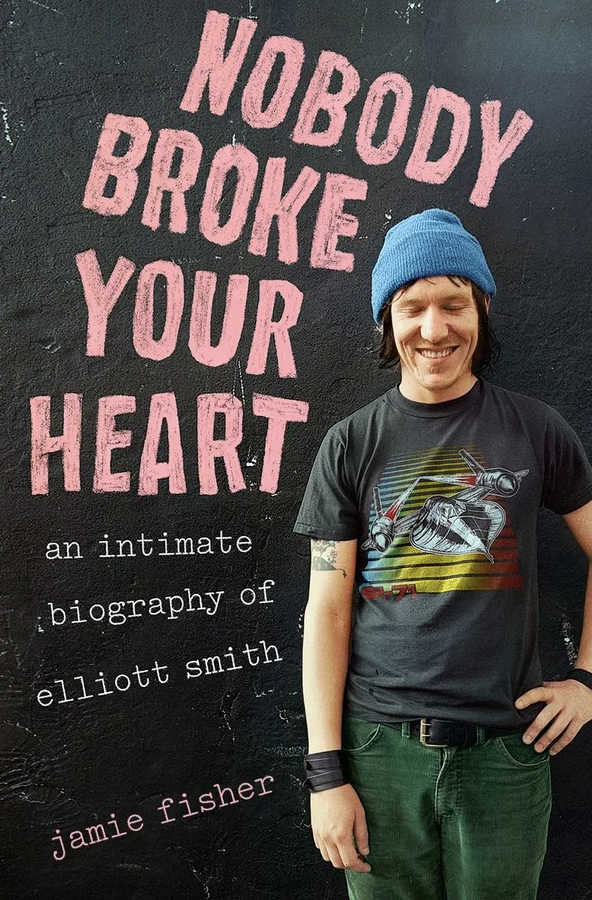
Jamie Fisher, Nobody Broke Your Heart
There’s something distinctly devoted about Elliott Smith aficionados: they want everyone to recognize his singular genius and his uncanny ability to distill universal sorrow into art that feels intimate and personal. Yet they insist you must earn your fandom—immerse yourself deeply rather than merely hum along while you do the dishes. If you’ve got one of these superfans in your circle, this first major biography of one of indie rock’s most influential singer-songwriters—built on newly uncovered primary material (unissued recordings, drafts, photos, and letters) and extensive interviews—is indispensable.
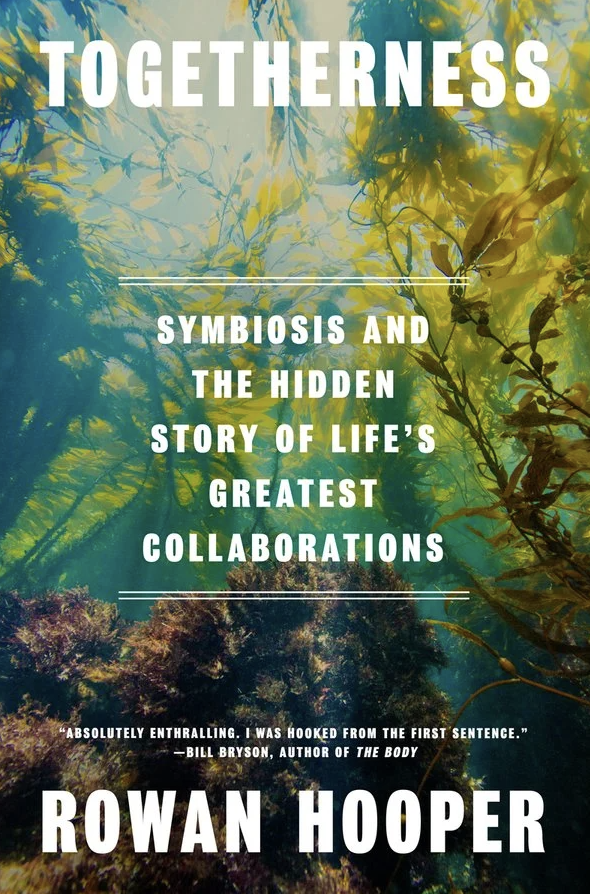
Rowan Hooper, Togetherness
There’s a certain joy when a science-focused book communicates the sheer wonder of the natural world. Rowan Hooper, an evolutionary biologist, investigates how collaboration in nature takes many shapes. Hooper’s storytelling is powerful, and this work is a true pleasure to read. Togetherness exudes a sense of hope—perhaps even a little— and, at the very least, encourages you to step outside, observe closely, and notice more of what surrounds you.
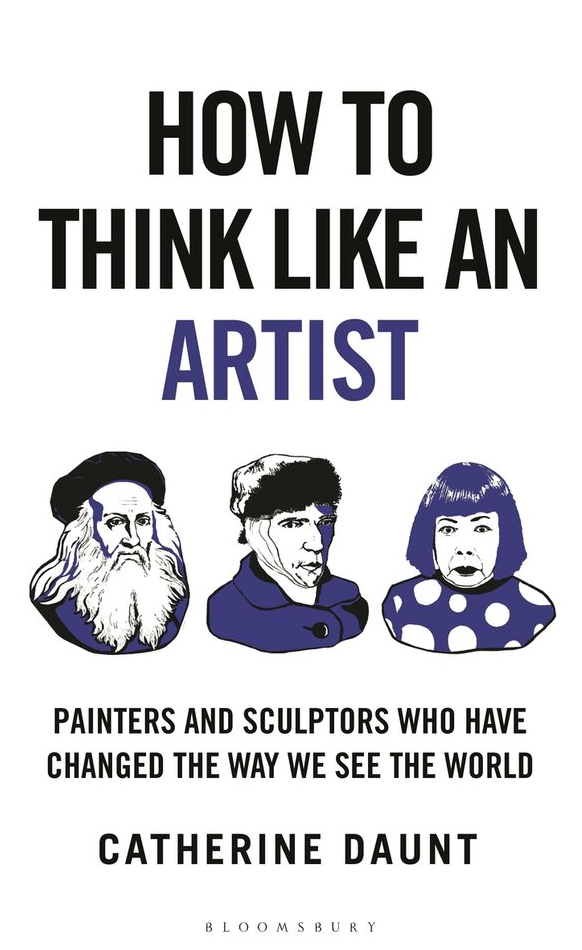
Catherine Daunt, How to Think Like an Artist
For those who lean away from self-help frameworks but still crave self-improvement, reading about painters, sculptors, and other creatives can scratch a similar itch. Art historian Catherine Daunt profiles thirty artists—emphasizing that the field isn’t limited to white men—and investigates how their work represented a rethinking, or even a revolution, in the way the world imagines, perceives, and creates.
