
People can be surprised when they hear that I wrote a novel that centers professional wrestling. As someone who is Brown, raised in Bangladesh, and in their early 30s, I don’t fit the stereotype of the typical wrestling fan. It’s easy to assume that the audience for pro wrestling skews toward straight, cisgender men, given that many mainstream promotions are run by white executives who present muscular athletes to shout about their masculinity and clash on-screen. Yet wrestling carries subtler shades. It can draw lonely twenty-somethings, misfit outsiders, and creatively unconventional people. For me, the blend of gender performance, physicality, and theatre within wrestling makes it a perfect arena for voices that remain underrepresented elsewhere.
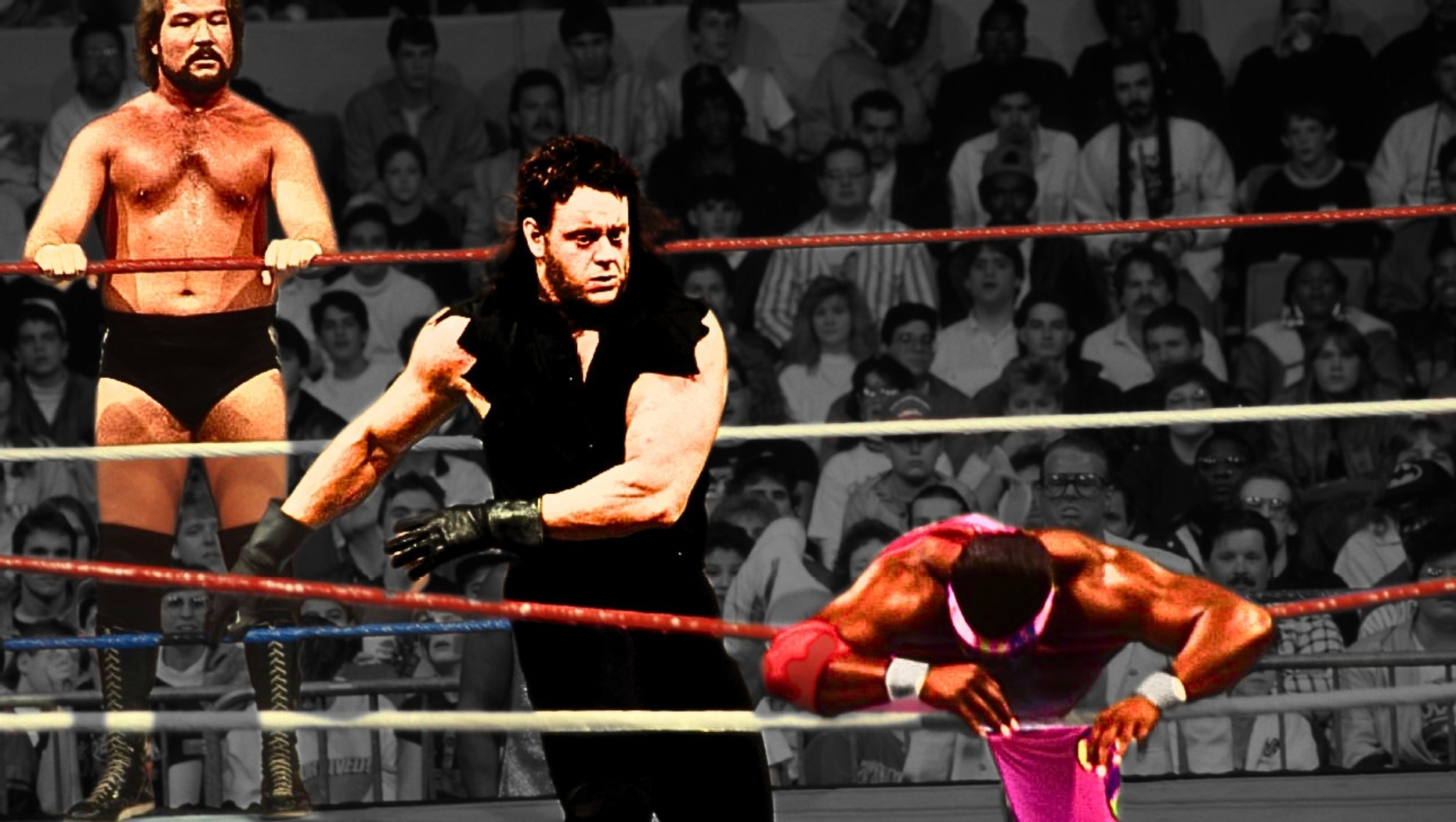
I came upon wrestling as a kid in the early 2000s, an only child looking for entertainment and a canvas for imagination. The first match I watched introduced me to the idea of mortality. Survivor Series 2003 featured a confrontation with The Undertaker, a colossal, intimidating figure whose gimmick was “the Dead Man,” and he was literally buried alive by his onscreen brother Kane in a moment of familial vengeance.
At first I focused on the men’s division. In hindsight, part of that choice was a concealed envy of gendered power.
That extreme display of violence felt utterly new. A vampiric-looking man being toppled by his malevolent sibling was more surreal and riveting than anything else I had seen on television. I was hooked on wondering what would unfold and whether the hero would emerge victorious. Not long after, the Undertaker did rise from the coffin and prevail over Kane. Wrestling lingered in my thoughts because it spoke to a nerdy, bullied kid who struggled to vent his frustrations and desires; I found refuge in a sport where the protagonists often seemed stronger.
At the outset I watched only the men’s matches. Part of that choice, I now understand, came from a repressed sense of gendered envy. I was torqued by the spectacle of muscles, the effortless strength displayed as bodies collided, and the commanding timbre of the performers’ voices. Yet the program itself tended to push women to the margins, treating them more as eye candy than as competitors. The racial dynamics were troubling too, with heel characters frequently portrayed by people of color in stereotyped roles. I stepped away for a few years, but the ascent of women’s wrestling pulled me back in.
Around 2015, wrestling fans began a social media push to encourage WWE to grant female wrestlers a larger stage, and the company started listening. Women started receiving more substantial screen time, more intricate storylines, and longer matches. Simultaneously, the rosters — for both women and men — grew to include wrestlers of color, LGBTQ+ performers, and athletes with a wider range of body types. This era of increased representation naturally attracted a more diverse audience, drawing in fans who had felt unseen before.
The first live wrestling experience I had, at TD Garden in Boston, marked a milestone: it was the first WWE Premium Live Event to be headlined by women. The entire arena stood, breath held, as the performers delivered. The crowd filled with fervent chants of “This is awesome!” from everyone — men, women, kids, and gender-nonconforming fans alongside warriors of all backgrounds. It was a vision I never imagined while growing up. The women had transformed the fanbase. Times had shifted. We finally got to witness them compete on par with, and perhaps even more compelling than, the men.
Joy can flourish in the communities built around a shared passion for something.
I couldn’t shake the impression of that moment. I launched a Tumblr dedicated to women’s wrestling, inviting fans from varied backgrounds, with a special emphasis on supporters of female wrestlers. The response was overwhelming. Messages poured in about how women’s wrestling had inspired people, how witnessing these athletes’ grit aided their mental health, and what they learned from watching the sport. Day after day I logged in to discuss the latest events with new friends. We liveblogged shows, created GIFs of standout sequences, and critiqued wrestlers who behaved poorly off-screen. In college’s senior year — and the loneliness that often followed — the community I found among fans like me helped me persevere.
That sense of community became the spark for my debut novel, Appetite. Zarina discovers that she is less solitary when she connects with other fans of her favorite wrestler, Sierra Myst, and her world expands as a result. The power of fandom and the communities it nourishes can be a wellspring of joy. When you couple that with sport, the shared elation of a victory—celebrated with comrades who care as deeply as you do—becomes almost intoxicating. And yes, trash talk can be a guilty pleasure too!
Wrestling, in many ways, is a kind of drag performance. The ritual of donning tight leather pants, painting the face, and adopting a persona far removed from the performer’s everyday self lets wrestlers explore character, costume, and narrative through dialogue and action, learning what resonates with audiences along the way. They strive to ensure the chemistry between babyfaces and heels pays off, collaborating to deliver a bout that leaves viewers invested. When these performances spotlight talents beyond the traditional big, burly, cisgender, straight, white archetype, the fanbase grows more vibrant and engaged. If you’ve never watched a wrestling show, now is the moment. It’s cool, it’s strange, and it’s unpredictable. Give it a try, discover your wrestler, and root for them through the highs and lows. You might find your world expanding in ways you never anticipated.
__________________________________
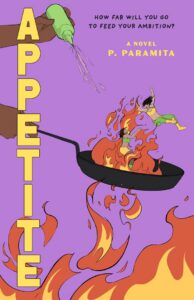
Appetite, a novel by P. Paramita, is published by The Dial Press.
