

The following essay has been adapted from a keynote delivered at the Association for the Study of Buffy+’s 11th Biennial Slayage Conference on July 10, 2026. For clarity, this essay contains numerous spoilers for Buffy the Vampire Slayer and Angel, including inside jokes.
*
Just to set the record straight, I am not merely a Buffy the Vampire Slayer nostalgia aficionado. I did not grow up with a TV in the house, so I encountered the show only later, as an adult, when my then-boyfriend—a screenwriter—pushed me to watch it. I found the charm irresistible, though I remained mostly skeptical until we reached episode six, “The Pack,” where the popular kids, possessed by hyena spirits, devour the principal. They literally consume him.
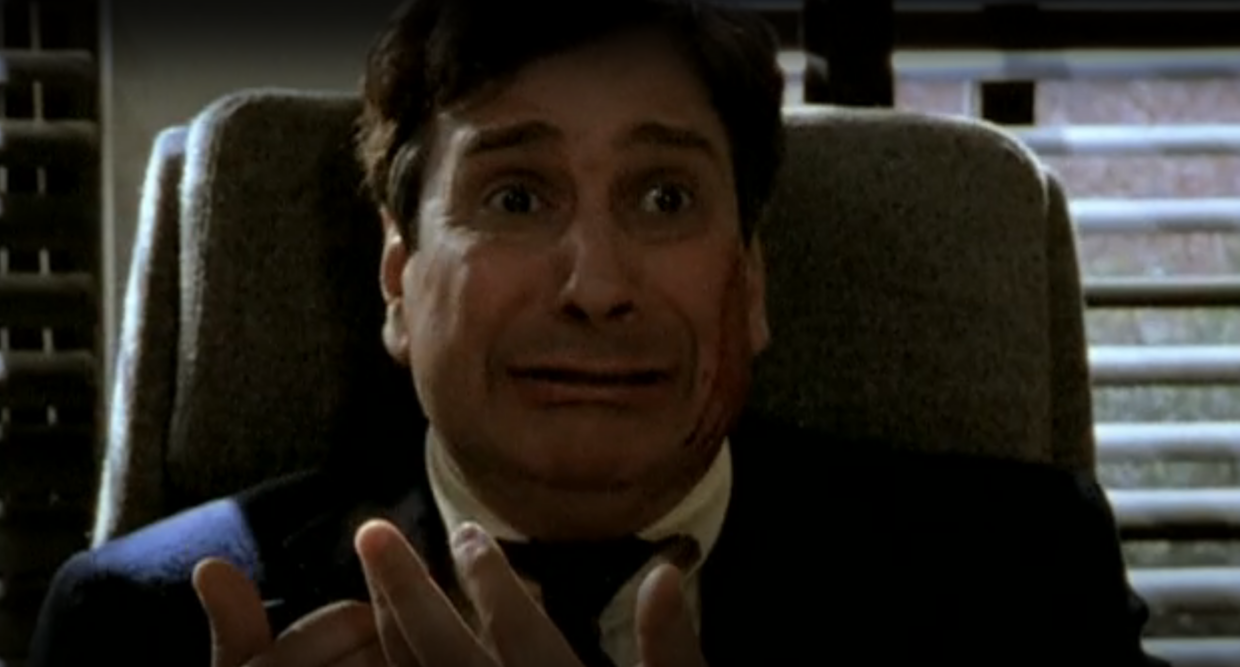 RIP Principal Flutie.
All right, I’m ready to dive in.
Now, I adore the things everyone loves about Buffy and Angel: the phrasing, the symbolic systems, the characters, the precise delight of catching a joke and acknowledging it in the same breath, the lushness of their world, the sense that the storytelling is anchored in feeling and can cradle many moods at once: humor, dread, romance, tragedy, and fantasy. I relish how weighty it can feel, how frightening it can be, and how both ridiculous and tender it can be at the same moment.
 Grr. Argh.
As I’m not an academic, but rather a novelist who sometimes critiques, I figured I’d explore why novelists especially seem to be drawn to Buffy and Angel. Plenty of people enjoy Buffy, of course, but informally, everyone I know who truly loves it also tends to be a writer of some description.
I’ll touch on that a little, but with the recent passing of Anthony Stewart Head, grief compels me to address more directly.
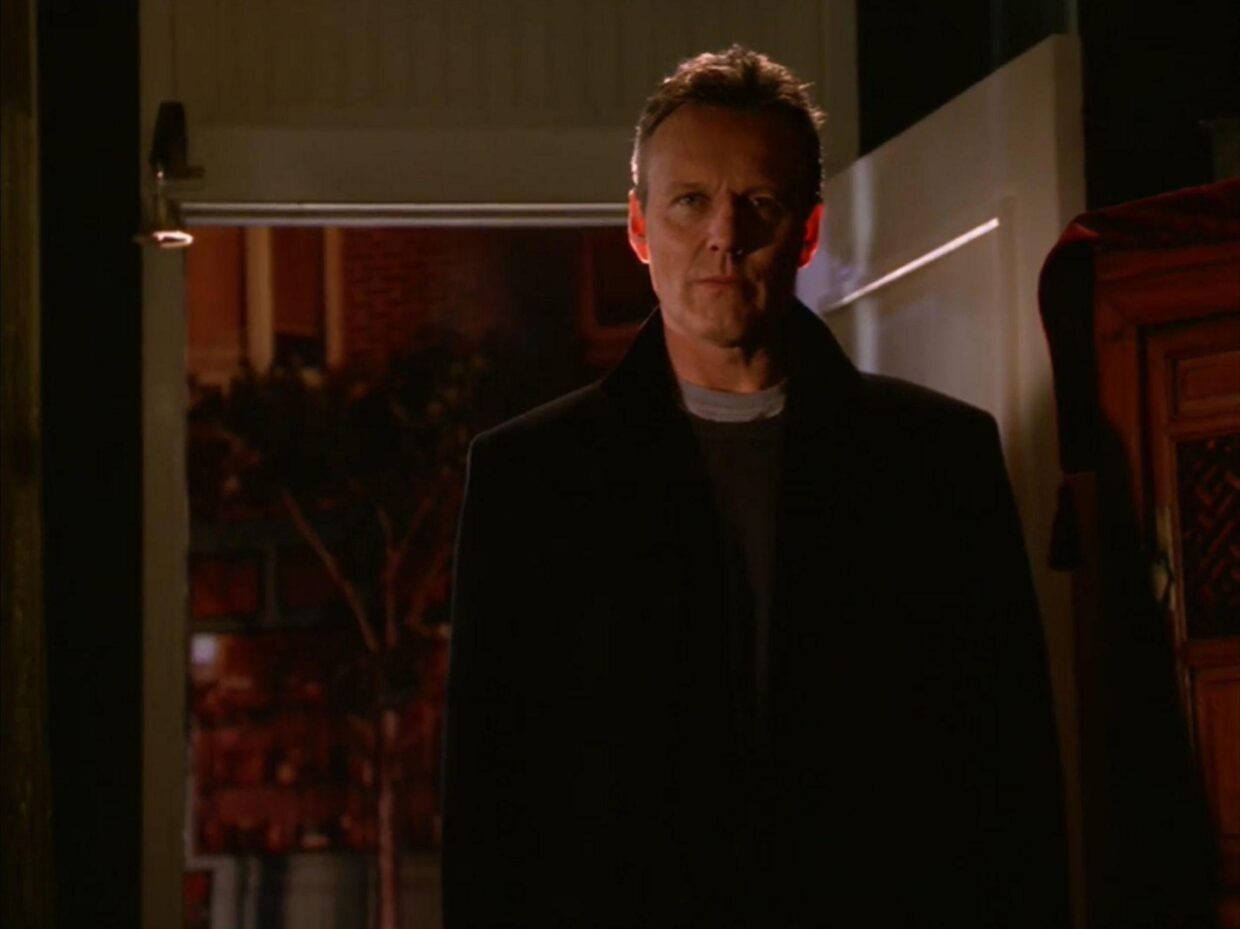 Daddy’s home.
Buffy the Vampire Slayer is, at its core, a meditation on grief. To me, the theme of grief weighs even more heavily than love, magic, witticisms, or power—because adolescence itself is a chapter about mourning, a period of loss and transition.
Pause, you may think: adolescence isn’t about grief. You’re right; teenagers often don’t realize how good they have it. Yet adolescence is defined by change, and change is a form of grief—the loss of childhood, the loss of naivety, the sense that the people who love you no longer truly know you. Later on, the series revisits the struggle to mature into adulthood—W Buffy’s shift from Slayer to working a day job at the Doublemeat Palace—and that journey is, in its own way, a study in grief. Then there’s Angel, which ultimately presents a meditation on what it means to endure the pain of adulthood, because Angel is fundamentally a story about futility.
Life, it seems, is a narrative about grief, I’m afraid to report.
It has been a trying year for Buffy devotees. Tony Head passed away at seventy-two. Nicholas Brendon died at fifty-four, in March. And let us not overlook Michelle Trachtenberg, who died last year—astonishingly, it was only last year—at thirty-nine. I’m uneasy about this trend. Perhaps it’s connected to the Hellmouth’s proximity—or perhaps we’re simply unlucky in timing.
What struck me most was the outpouring of affection for Tony Head, and how video clips of him circulated online as a way of mourning. Not clips from his most recent high-profile role, in another cherished show, Ted Lasso, where he played a villain (also named Rupert). No, these clips were mostly of Giles—the father-figure who never judged us, who killed Ben (perhaps to spare us from Glory), who was always present until he seemed to sacrifice himself to save us. Of course, I did not know Tony Head personally. Still, the public grief was for Giles, a character who felt as alive as any human on screen.
But, of course, Giles remains as present as ever.
Giles exists whenever we choose to recall him. The online world allows us to conjure as much of him as we want, and there is a broader conversation to be had about parasocial bonds in the modern era. Yet because Buffy isn’t strictly a modern creation, I’d argue that the character’s significance endures because the acting and writing, and the show’s universe itself, render him as a genuine presence in the viewer’s imagination. We feel we’ve lost something, even if it’s only the character we’ve come to love.
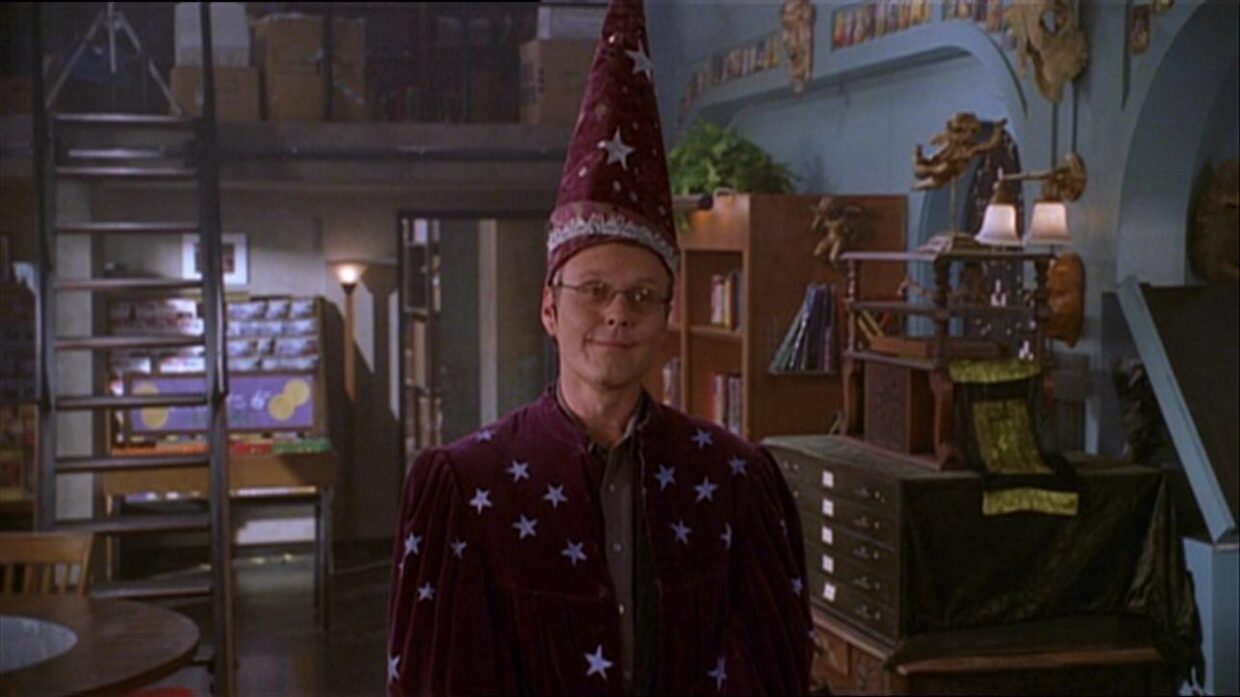 The Magic Box: Your one-stop shop for everything occult.
The novelist Naomi Alderman has suggested that Buffy’s greatness lies in what she calls “character doubling.” She writes that “every single figure contains a countermatch within themselves. It’s a show about sensing a mysterious other living inside.” This holds true—think Vampire Willow, Xander split into his good and bad facets, Faith and Buffy playing foils, and the Buffybot and Joan the Vampire Slayer. Doubling is, after all, a well-worn literary device.
Yet I want to consider a more precise kind of “strange other” to which Buffy and Angel repeatedly return: the person you become when confronted with grief. In the Buffyverse—as in real life—grief can alter you, sometimes in tangible ways.
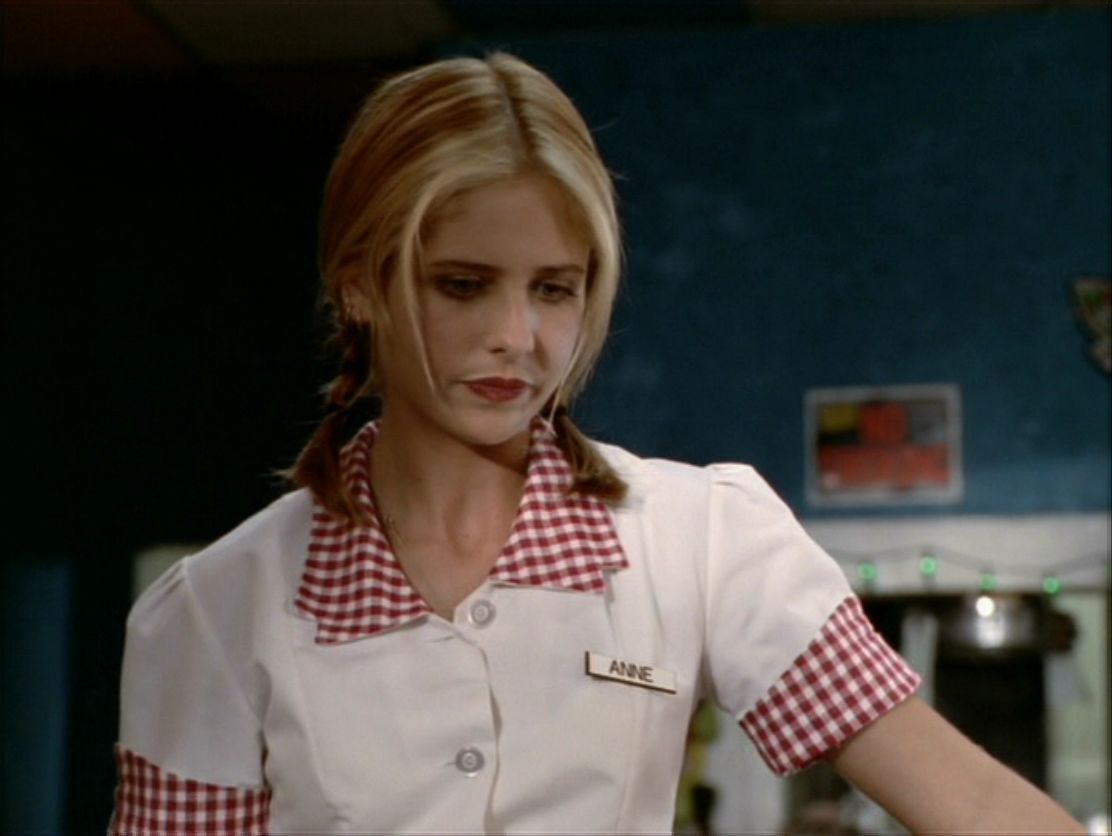 She’s someone.
We first see it in Season 3’s opening arc, when Buffy, grappling with the pain of killing her beloved, runs away to Los Angeles and literally becomes another person: Anne. She works as a waitress at Helen’s Kitchen, a sly nod to her “normal girl” alter ego. Anne represents Buffy’s hidden self, the ordinary girl underneath the Slayer’s armor—prone to being dwarfed by even banal threats, and harassed by ordinary men merely going about their business. Yet Buffy’s disguise doesn’t keep her hidden for long, because a girl she once saved recognizes her, and a chain of events reveals the demon-slaying hero beneath the surface again. The man she had saved reappears in Lily’s story after his disappearance, and Lily, who had been hiding behind her own pain, eventually adopts a new name: Anne. Anne reclaims Buffy, but not exactly as the original Buffy—she returns with the scars of what she’s endured, including the stubborn highlights that remind her of this painful passage.
Grief’s power to reshape isn’t new in the Buffyverse. Consider Angel: after centuries of brutal acts, Angel’s soul is restored as punishment for his victims’ pain. He is overwhelmed by guilt and memory, and every future move is an attempt to atone. The twist is subtle: when he experiences a moment of genuine happiness—his joy as the opposite of grief—he risks losing his soul again, returning to his darker self. The principle runs both ways: joy can alter you, but it’s rarer in the narrative than the grieved transformation.
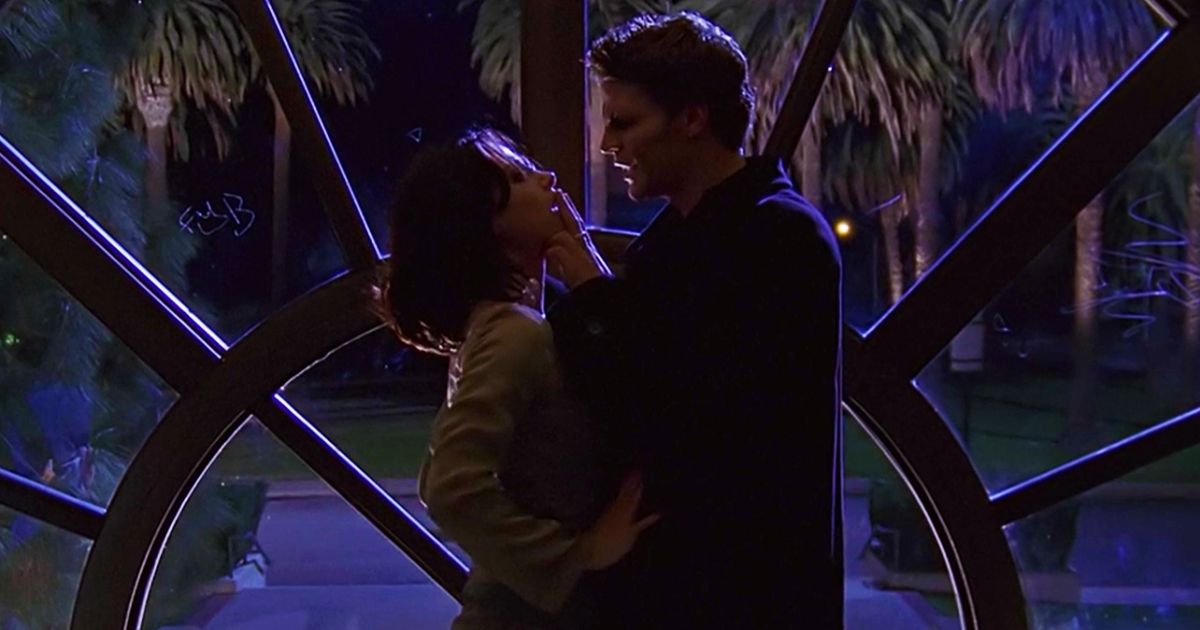 A shocking twist.
Additionally, Angel—indeed Angelus—demonstrates another grim use of grief: weaponizing it. Following Jenny Calendar’s murder in Season 2’s “Passion,” Angel stages a staged romance with her corpse to torture Giles, weaponizing sorrow to bend him toward despair. The aim is to destabilize Giles and Buffy alike. The ruse manipulates him into taking dangerous steps, including a solitary suicide mission and falling prey to Drusilla’s hypnosis. When Drusilla reframes him as Jenny, he reveals enough to tip the scales toward catastrophe. Compare this with Wesley’s refusal to allow Illyria to become Fred, as a counterpoint to the empathy of keeping a loved one’s memory intact. The parallels are not accidental.
Similarly, Angel also uses grief to corrupt Drusilla, twisting her into madness by convincing her she is wicked. These pairings illustrate a rather perverse use of grief—turning pain into a form of power that can weaponize others’ emotions.
 This one’s for you.
Yet let’s steer back to Season 3. In the episode “Bad Girls,” Faith—Buffy’s dark double and rival, who is still in cahoots with the Scooby Gang—lures Buffy into flouting the rules, a move that seems to go well until Faith accidentally murders a human, Allan, the Deputy Mayor’s assistant. The scene closes with Faith in a state of shock, scrubbing away at the blood with a Macbeth-tinged sense of guilt, and Buffy, visiting, hears Faith declare, “I don’t care” before the episode abruptly cuts to black.
This moment marks Faith’s shift from a rebellious girl to a true dark force. She refuses to confront the guilt and horror of what she’s done; whether she accepts it or not, grief is present, and her refusal to process it pushes her toward the dark path. She ultimately becomes the Mayor’s most devoted ally, at least for now.
Interestingly, Cordelia appears to be an exception to this rule, at least within Buffy proper. Her heartbreak over Xander doesn’t drive her into another persona, but in “The Wish,” it does cause everyone else to transform into different versions of themselves.
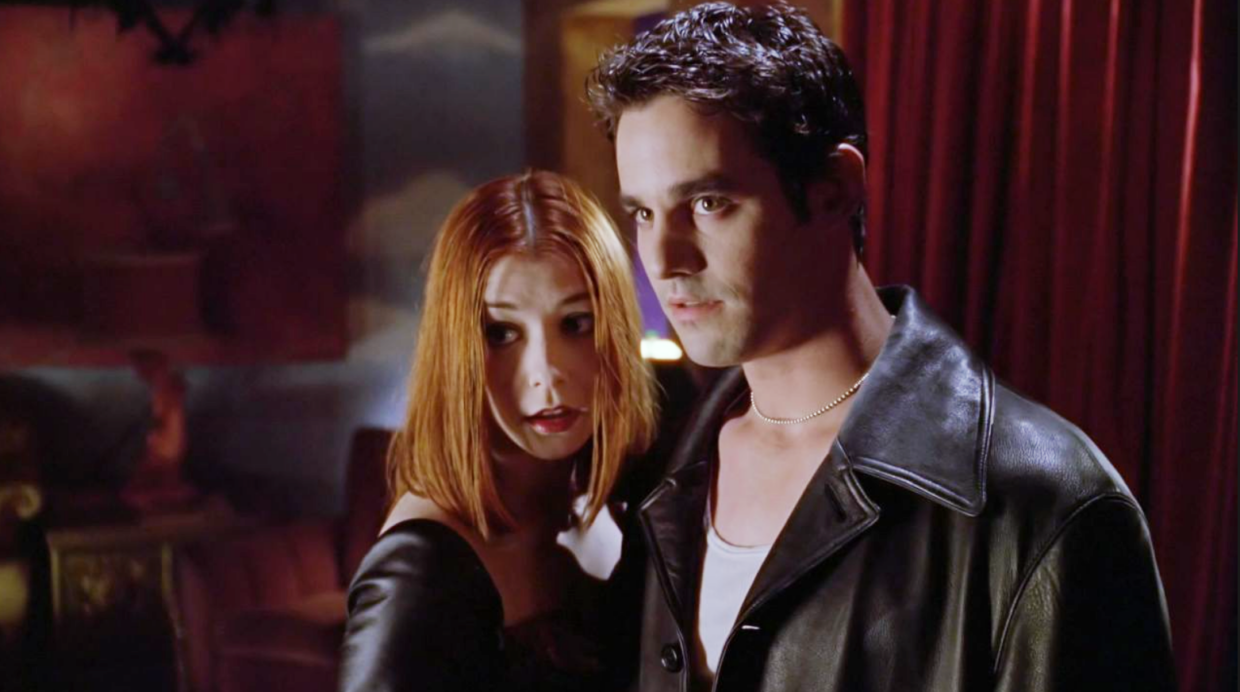 Leather = evil?
Fitting moments for a girl who speaks frankly and thinks aloud, even when the consequences are gnarly. This principle holds until the finale of Buffy’s first Angel season, where Cordelia endures a mind-expanding episode that reveals all the world’s pain, and after this moment she becomes the group’s emotional core and the show’s center of gravity. Not her role at the outset, but after that moment she anchors the story, while in Angel the world’s grief reshapes Cordelia. A distinction that she might have preferred to keep private.
Incidentally, this very phenomenon—grief as the catalyst for transformation—also drives Dark Willow from a murderous figure to a truly apocalyptic force, which prompts us to wonder whether Cordelia’s moral core might outshine Willow’s at times. But I’ll get ahead of myself. Before Dark Willow, we must discuss Joyce.
 A cheerleader, a princess, and a warrior.
So much has already been written about “The Body,” arguably one of television’s most remarkable episodes. I’ll refrain from rehashing formal debates, but I will say that when I revisited it for this talk, it was the first time since my father’s death that I watched it with new eyes. Joyce’s death hits hard because it’s sudden, and the scene’s realism—the choked phone calls, the off-kilter camera, the way Buffy’s face contorts as she discovers her mother’s separation from the body—strikes a chord beyond metaphor. The episode insists on the necessity of performing grief even before one believes it to be real, and the strain of that performance makes acceptance harder to reach.
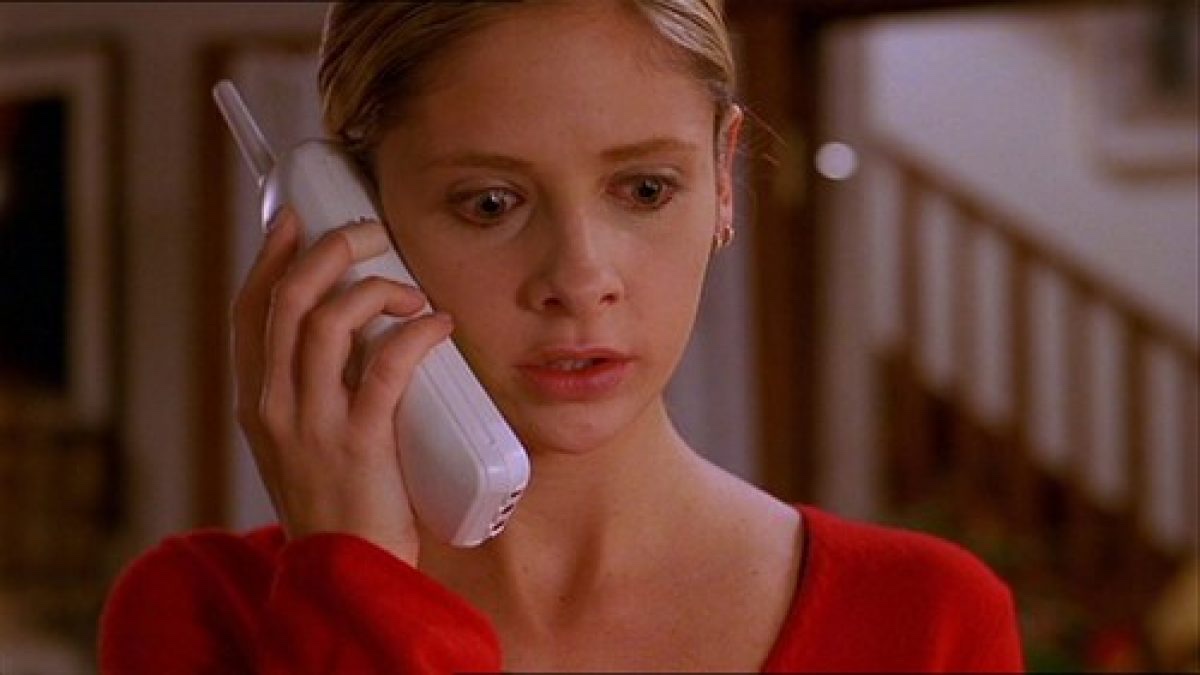 She's at the house.
Season 5 marks Buffy’s major arc about grief, and the death becomes the turn that makes the series pivot toward adulthood. Buffy’s initial resolve gives way to fragmentation, and in Forever she finally yields to sorrow alongside Dawn. The question—“If I must be strong, for whom, and for how long, and at what cost?”—hangs over the rest of the season. Buffy’s hair becomes a symbolic marker of upheaval, the tight, restrained ponytail signaling a sort of emotional stiffness that frays as the season progresses. Yet in that moment of vulnerability, she also becomes capable of true mothering toward her sister, who has been trying to conjure Joyce from beyond the veil through a resurrection spell. Dawn, in effect, defies her own vow by undoing the plan she had set in motion, underscoring how grief disrupts the boundaries between childhood and adulthood.
The death of a parent tends to be a rite of passage out of childhood, both in fiction and reality. Joyce’s passing is particularly weighty because she is Buffy’s sole tangible witness to her early years; no one else—neither friends nor Giles—truly knew Buffy as a child. Even Dawn is a construct, shaped by Buffy’s metamorphosis into the Slayer. Joyce’s death erases the last vestige of Buffy’s innocence, a crucial milestone in the show’s emotional architecture.
Yet the most transformative death Buffy endures is her own, albeit in a different form and at a later moment.
Opinions vary, but I’m someone who holds Season six in high regard. Yes, I’m a Spike apologist, and yes, the season is unsettling to rewatch, especially since its principal antagonists resemble a troupe of rather unheroic nerds, much like in a certain era we’re living through now.
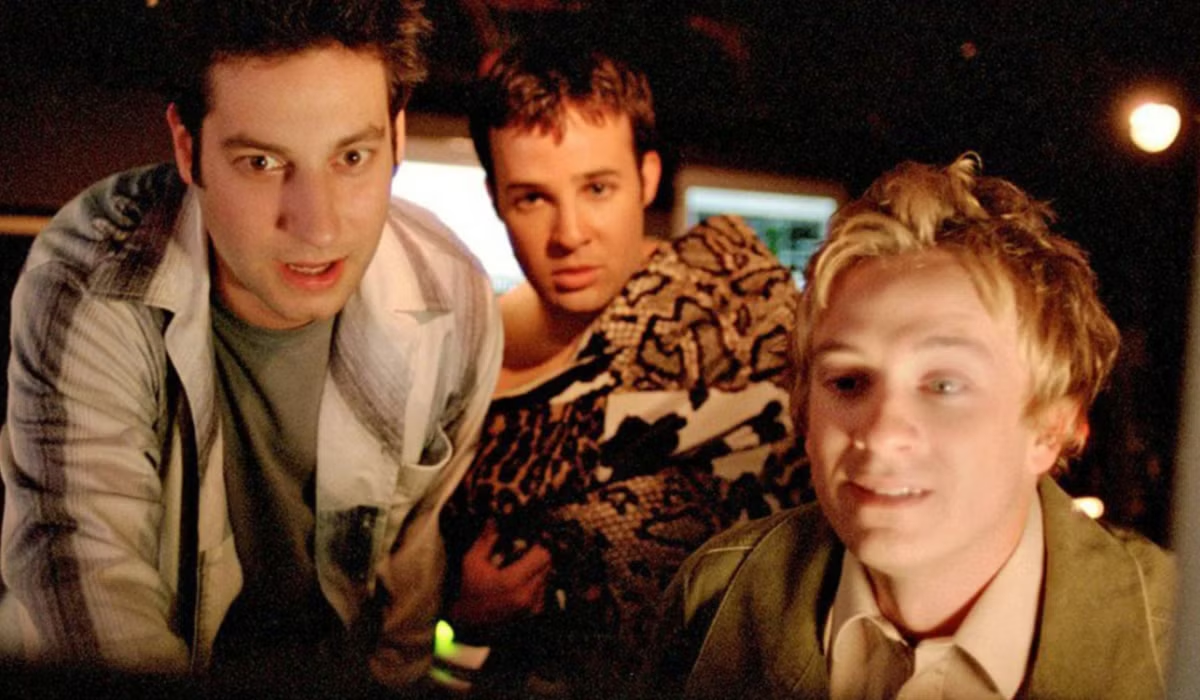 We're your arch nemeses-es.
Season six is relentlessly powered by Buffy’s grief. She has encountered the worst possible loss: not merely the death of a loved one, but the loss of the sense that life makes sense. She experiences the possibility of Heaven, a place where she finally achieves her deepest wish: that those she loves are safe before being thrust back into reality and forced to keep moving. The dream of peace is short-lived; Buffy must return to a world where rest is not permitted.
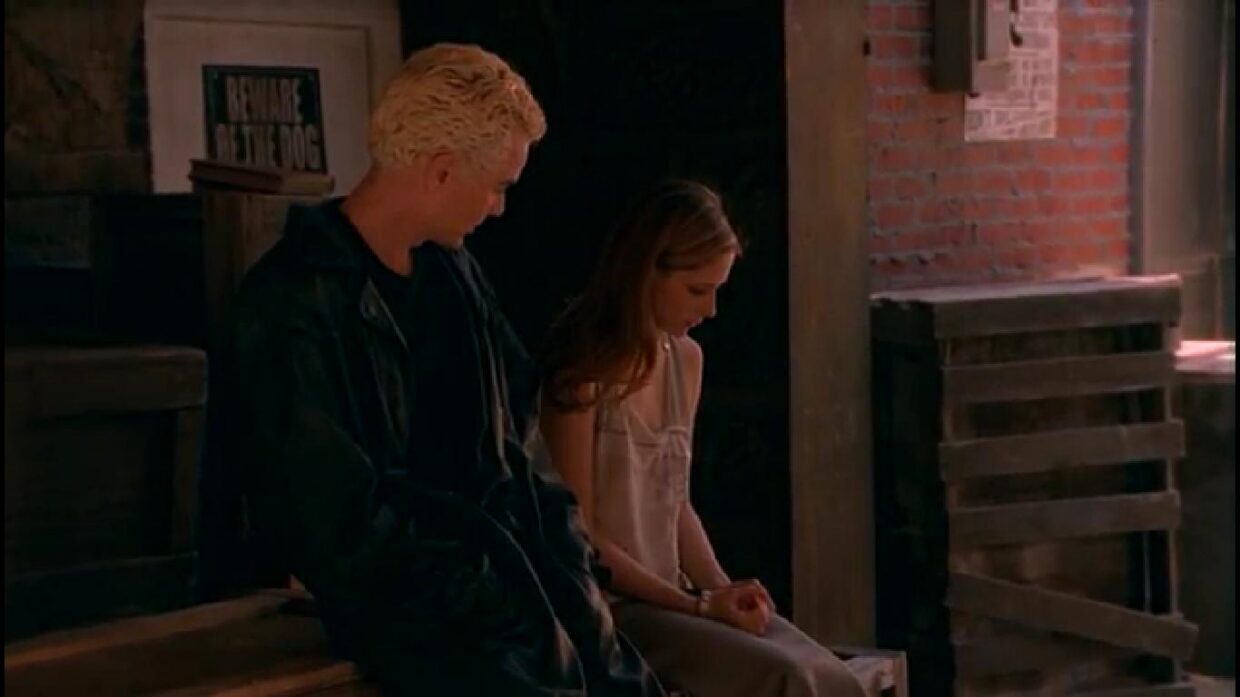 I was torn out of there. By my friends.
Buffy’s mood is clearly depressed. Yet as the season unfolds, her gloom shifts from a lament about what she has lost to a sense of what she has become. After discovering that Spike can hurt her again despite his inhibitor, she pleads with Tara to determine whether she remains human—or if she “came back wrong.” Tara’s reassurance that she remains the same person doesn’t quite reassure Buffy, who breaks down, realizing there is no mystical fix for her inner crisis. In that moment, she questions whether desire itself should be expected to survive such a transformation.
That breakdown—Buffy begging Tara not to forgive her for sleeping with Spike and for treating Spike poorly—echoes a moment of Faith’s in Angel’s first season, when she collapses under guilt and begs Angel to kill her. Self-punishment and the compulsion to rely on friends—translated into love—recur throughout this universe. We will see this cycle again and again.
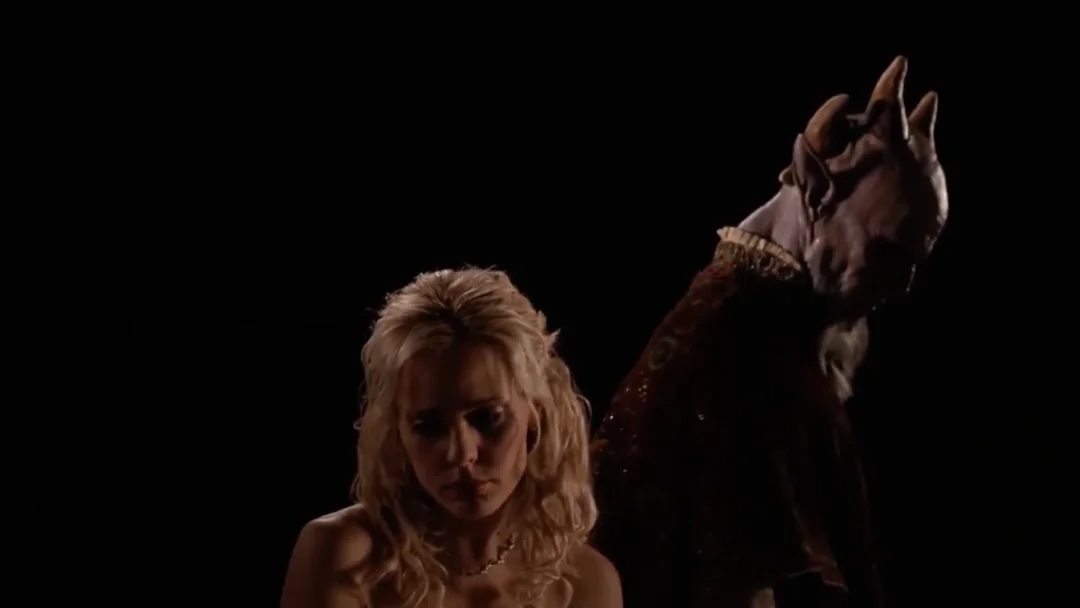 The return of Anyanka
Next, in a Season Six that never lets Buffy rest, Xander abandons Anya at the altar, and in her grief she reverts to her former form as a vengeance demon. Then Spike’s attempt to assault Buffy becomes so demeaning that he, too, seeks to become someone else by reclaiming his soul.
Yes, I must admit I adore Spike. I know he’s a villain, and yes, some of his behavior is indefensible, but he is just so entertaining.
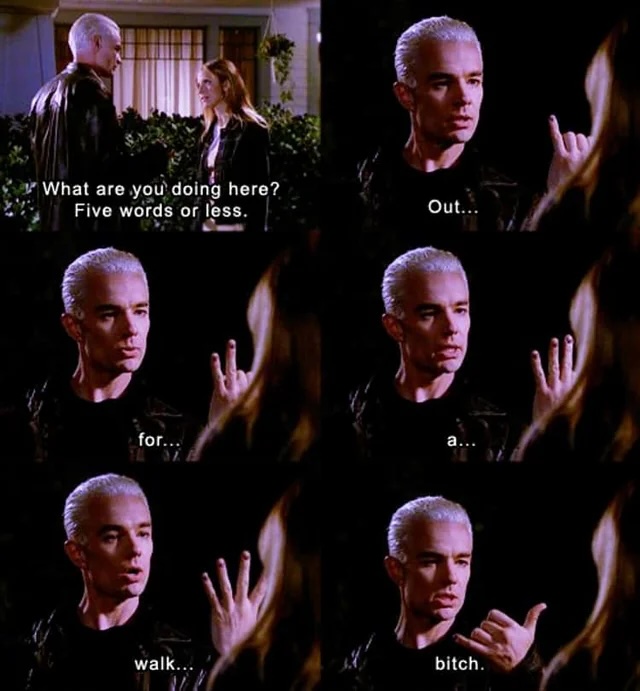
Everything Spike does is propelled by love. The man is a poet, after all. The writers can’t settle on whether Spike is a badass, or merely a lovesick fool, but one thing remains constant: his love drives every bold choice he makes, no matter how embarrassing it appears. As he tells Buffy in Season Three, “I may be your love’s servant, but I’m man enough to admit it.” Vonnegut’s maxim about every character wanting something—anything, even a simple glass of water—applies here: Buffy’s world is full of characters who crave something. But none are as relentlessly hungry as Spike. The affection he shows, with all its awkward passion, is something to admire.
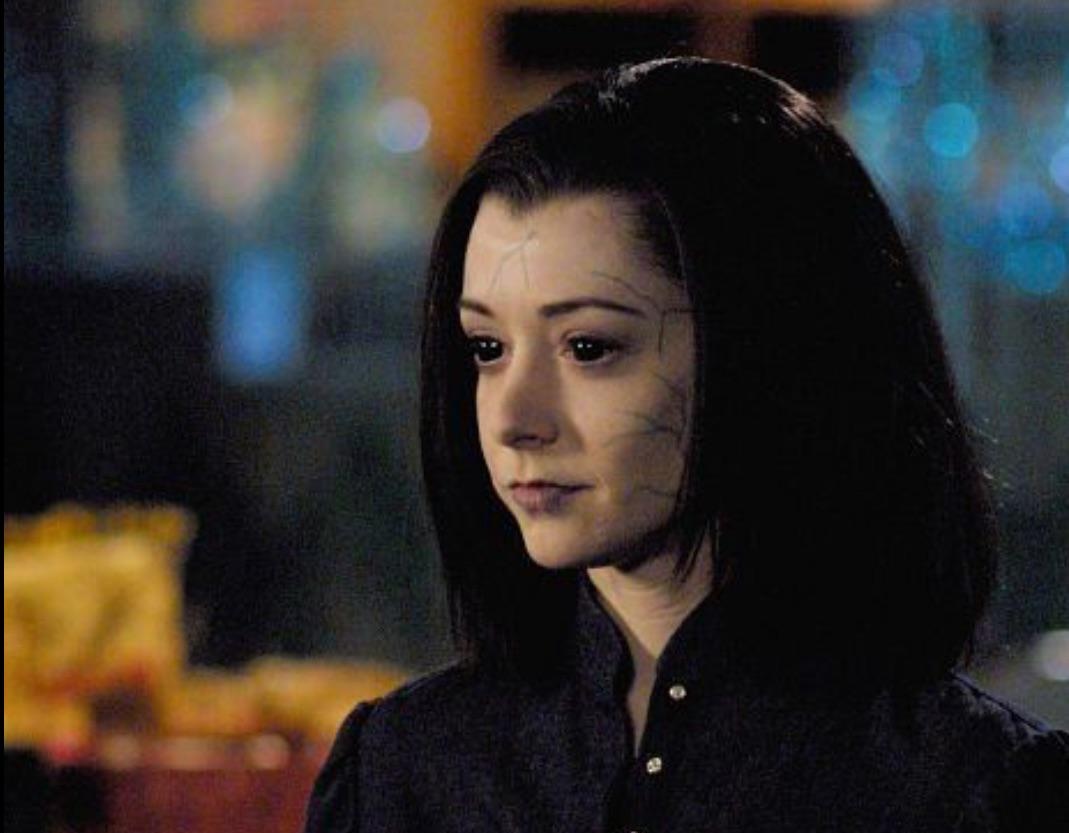
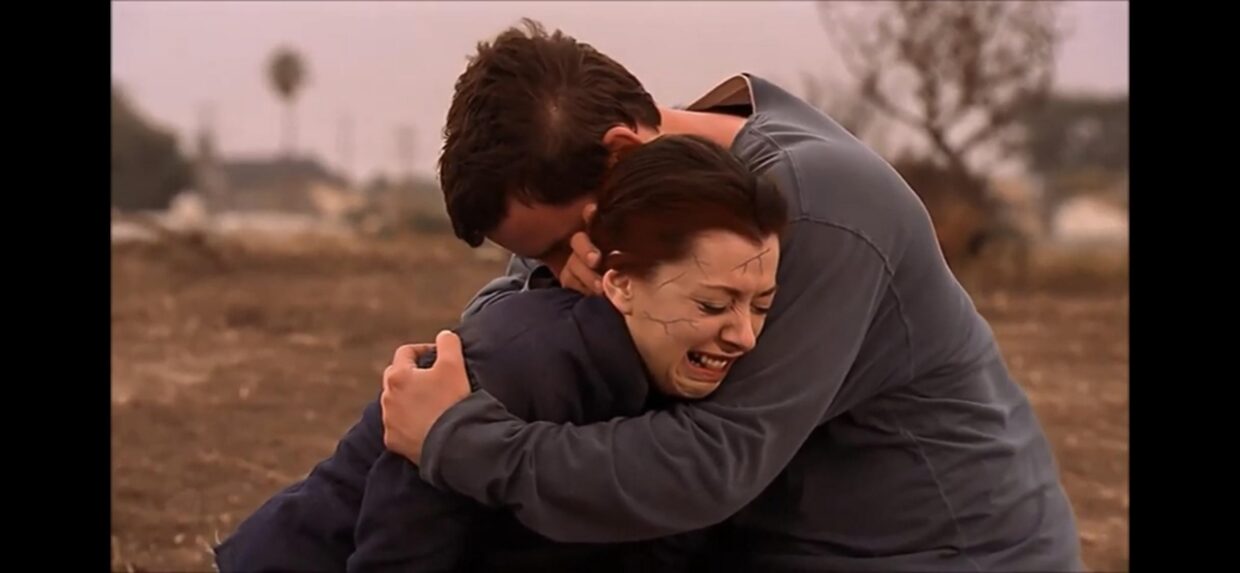
Then there’s Willow. When Warren slays Tara, Willow’s grief so swallows her that it reshapes not only her, but the fate of the entire world.
 Was I a good witch or a bad witch?
The arc of Dark Willow is dazzling in its speed and restraint: the show very quickly turns our sympathies toward Willow, even in the moment she embraces vengeance. In “Villains,” the episode that follows Tara’s death, I find myself on Willow’s side. If she wants to hunt Warren, I say, go for it. The forest’s grisly scene of Warren’s torture is grim, yet it lands with a grim satisfaction because it violates the moral calculus Buffy’s world tends to uphold. Willow’s moral compass remains intact in the moment, and she is not crushed by sorrow so much as driven by it toward an extreme act that shocks the audience. The moment where she mutters, “bored now,” carries the sting of a person who has shed her old self and is unafraid to reveal the depths she has gone to reach her revenge.
This is, of course, despite the fact that right before the killing, she tells herself she’s tired of being defined by others’ misery—and it’s a sharp line that blends into her next step: the escalating disconnect from reality as she becomes increasingly unrecognizable to those around her. In the next episode, cleverly titled “Two to Go,” Willow’s transformation becomes harder to ignore, because she slides away from herself while her friends insist she remains the same person she has always been.
“Is this still Willow we’re dealing with?” Xander asks at the start of the episode. Buffy answers, “I hope so.”
 Or a rank, arrogant, amateur?
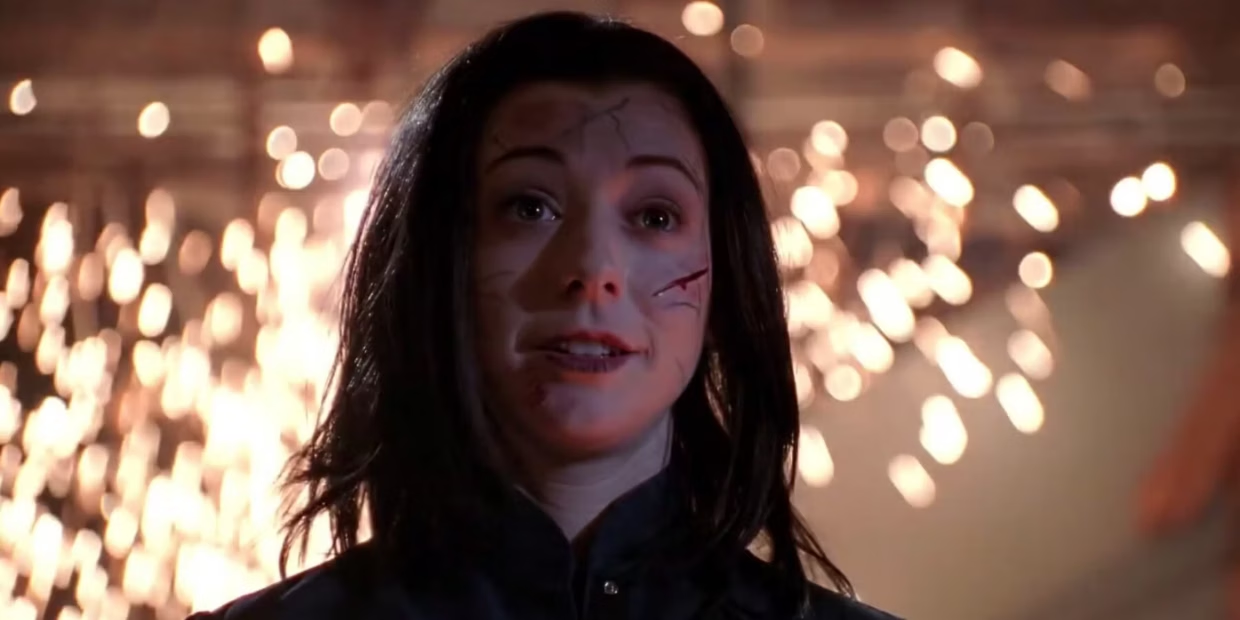
When Buffy challenges Willow in Rack’s den, she confirms the familiar truth—Willow remains, at heart, Willow. Yet Dark Willow has shed most of her prior self, clinging only to a few stubborn elements, as the pronouns reveal. “Let me tell you about Willow,” she declares. “She’s a loser and always has been. She endured bullying from junior high through college, with her meek, mousey ways. And now? Willow’s a junkie. The only thing Willow ever excelled at… were those moments when Tara would look at me and I felt wonderful. And that will never happen again.”
Here, the pain of losing Tara unravels Willow’s sense of self so completely that she longs to erase her former self. Dark Willow becomes a weapon wielded to annihilate Willow’s own childhood, a stark contrast to Buffy’s retreat into duty after losing her mother, and Xander’s anxious clinging to his family’s safety before he moves ahead with a proposal to Anya, only to discover he’s not quite ready to leave childhood behind.
 You call this natural?
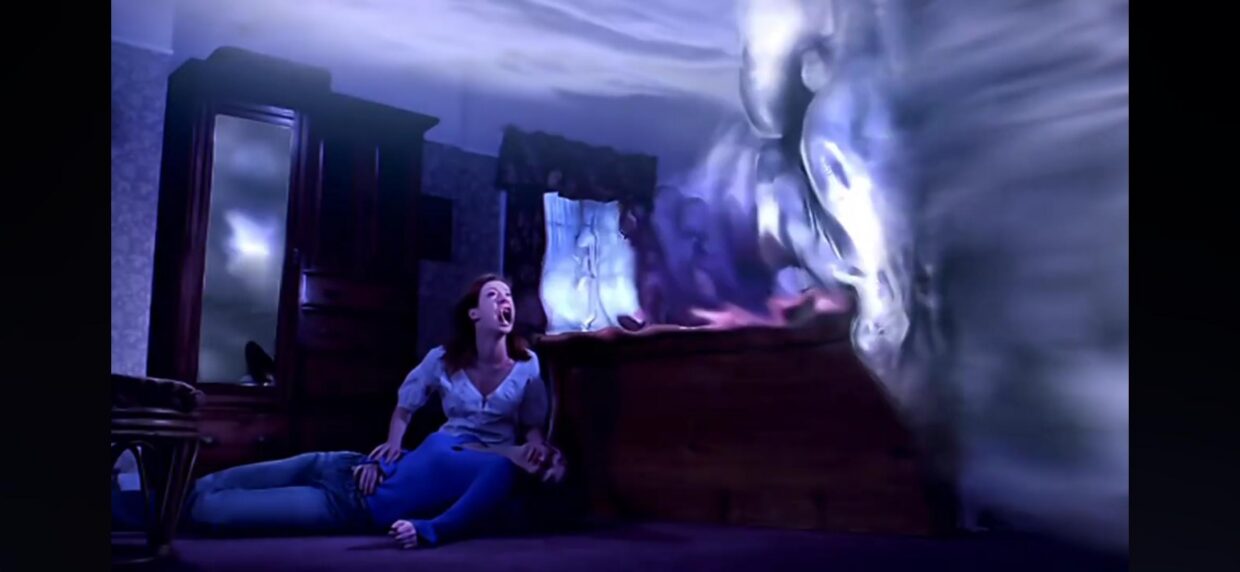
As with Joyce’s death, nothing in the Scoobies’ amassed powers can reverse Tara’s death; it’s presented as natural, and the sequences carry the weight of real irreversible loss. This is the episode that captures the shock of truly final endings, a moment when even a world built on collective magic cannot undo what has happened.
The Dark Willow arc ends, of course, with Xander returning her to reality by confessing his love and using a combination of magic and friendship to restore Willow’s balance. The moment is tinged with corniness, and yet it remains deeply affecting. That blend of earnestness and sensitivity is what keeps the Buffyverse moving—the power of love to pull people back from the brink, and the willingness of friends to support one another through the hardest times.
 Color theory in action.
“Killing people changes you,” Buffy observes in this episode, and she’s not wrong. But so does continuing to live while others are dying around you.
None of this occurs in a vacuum.
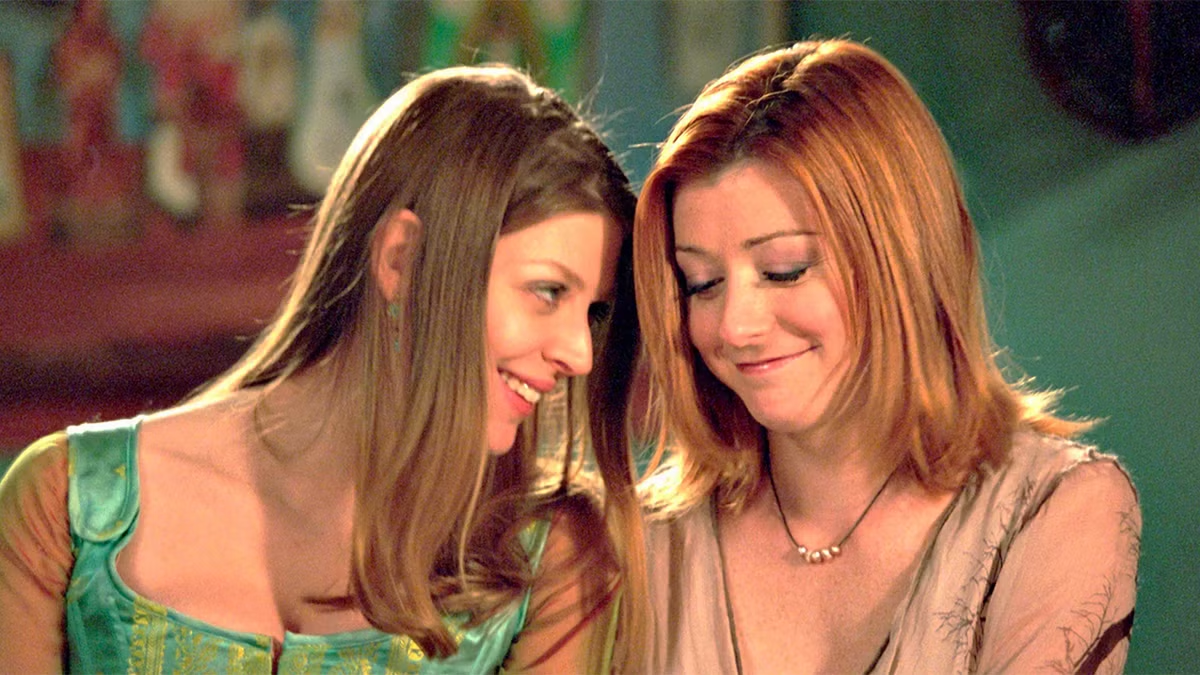
As the characters grieve and are themselves altered, fans experience a parallel transformation. The Tara–Willow storyline, with its groundbreaking portrayal of same-sex affection, sparked a real communal ache in viewers who hadn’t anticipated the Bury Your Gays trope would appear on Buffy. When Amber Benson—Tara’s actress—was asked to reprise her role as the First Evil, she declined, fearing the pain it would cause fans who saw themselves in Tara and Willow’s bond. Whedon even considered resurrecting Tara at the end of season seven, but Benson refused, insisting on protecting the audience from further heartbreak. A compassionate choice, in my view.
 I know what they see in me.
My father, a Buddhist, used to remind me that everything is impermanent, and that grief stems from clinging to the things we fear to lose. In that light, Buffy is a meditation on grief because adolescence, in its very essence, is a shift toward change. Yet there’s a second kind of grief here as well—the grief that comes with stasis or with encountering, and perhaps failing to accept, inevitability. As I’ve grown older, that second form of grief feels increasingly relevant, and it’s what Angel is exploring in its own way.
 Are you now, or have you ever been?
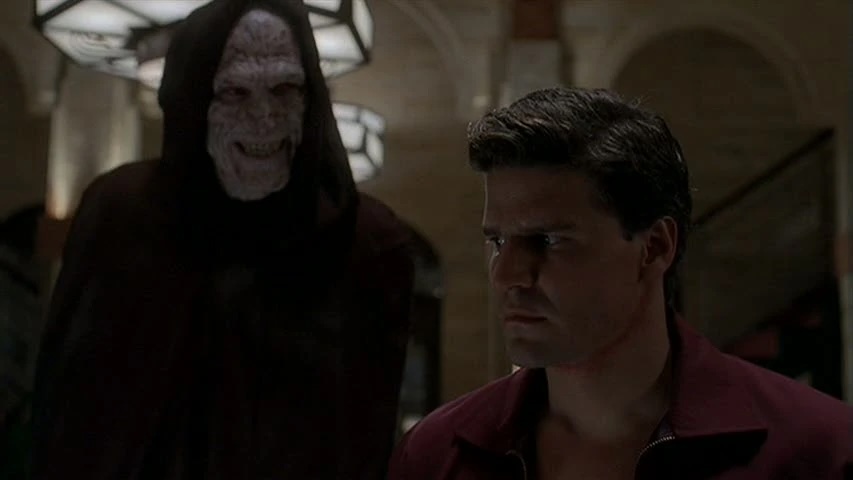
Consider how Angel—the show—treats Buffy’s death. It begins on a different network with the two programs debuting separately, creating incentives to progress beyond the moment quickly. At the start of Season 3, Angel returns after a few months of quiet contemplation in a monastery, where he works to come to terms with the loss of the love of his life—an off-screen process that reveals itself only upon his return. He is forced to confront his past when he kills a vampire wearing a necklace and realizes too late that he had known her in his European rampages. She had loved another vampire, James, who then enters to exact revenge, having literally carved out his own heart to become briefly invincible before dissolving to dust. This is another example of grief catalyzing transformation, and another instance where love becomes a form of sacrifice. Yet the broader message here runs contrary to Buffy’s arc: James’s obsessive devotion reads as childish, if not a sartorial display of feverish obsession.
When Cordelia tells James that Angel once loved someone too who died, the vampire cannot grasp that a man like Angel could truly care for someone in a way that costs him everything. Angel’s retort—to James, and to the audience—asks whether love must be fatal to be genuine. He refuses to accept James’s simplistic view of love as a game that can be played at no personal risk. In the end, Cordelia’s interpretation—Angel’s loss did not destroy him, it allowed him to keep fighting—sets Angel on a path toward a more adult acceptance of life’s burdens. Buffy’s handling of Angel’s death contrasts with Willow’s handling of Tara’s, and Angel’s arc offers a different moral cadence—from bereavement to acceptance of continuing duty.
 Historically accurate.
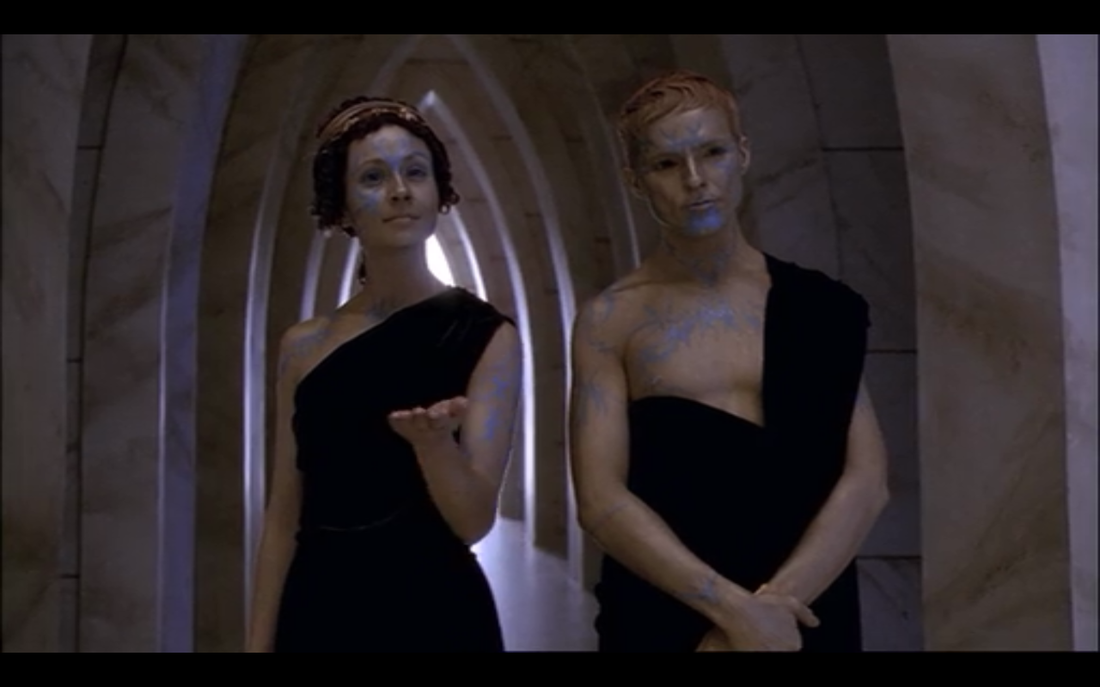
Similarly, Angel is more preoccupied with fate and choice than Buffy. The two shows differ in their religious framing, but Angel elevates the concept of fate through the Powers That Be, with oracles and various semi-clerical figures, and through prophecies that shape character arcs. Buffy’s prophecies are rarer but still present, with the Scoobies often retaining agency and discovering a path forward by deciphering a weakness and changing their circumstances. Buffy, in effect, has the power to rewrite its premise—its characters reshape the rules and reconfigure their reality. Angel, by contrast, presents a world where the protagonists are often fighting an inexorable current, a losing battle against institutional forces. They may win battles, but the larger war is not easily won; the structure places the heroes within a system they cannot escape, a contrast that sharpens the show’s meditation on adulthood.
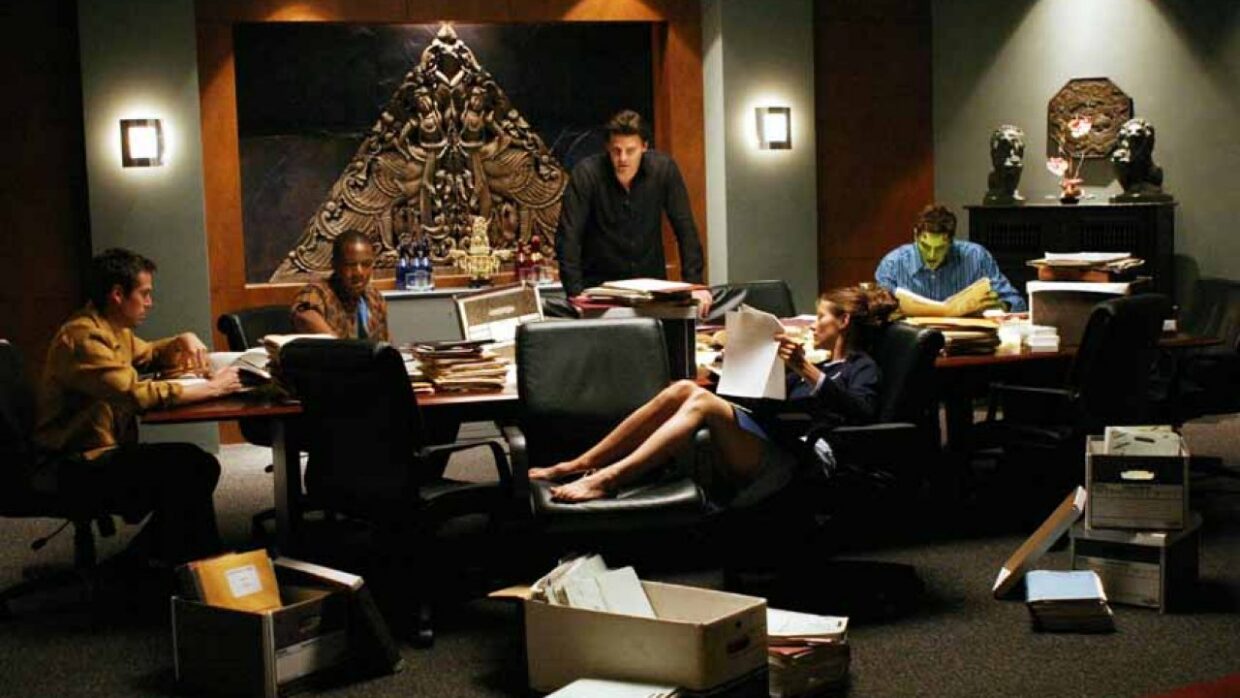 Death and taxes.
By the close of Angel’s fourth season, this same weight of grief becomes a narrative engine. Lilah, a revenant of moral ambiguity, offers Wolfram & Hart as a price to end world peace by defeating Jasmine—because, in Angel’s universe, every action bears its own undesirable consequence. Angel’s son Connor becomes a focal point on the human–supernatural divide, his kidnapping by Holtz marking a watershed in the show’s moral gravity. Wes, too, experiences a similar crucible when a prophecy suggests Angel intends to kill the baby, prompting Wesley to abduct the child in a moment of fear and disorientation. Justine’s arrival and Wesley’s later choices push him to walk a path toward darkness that still leaves room for a redemptive turn.
The moral ecology grows even more tangled as the show progresses. When Justine tries to kill Wesley, the child vanishes into a hell dimension, and the arc’s most wrenching moment becomes Wesley’s decision—“I was cut and left for dead,” he confesses—as he navigates a life where the world’s safety seems ever at stake. When Connor disappears, Angel’s grief is tempered by his stubborn resolve to protect those he loves, a decision that reshapes his sense of duty and duty’s cost. Healing emerges not as a sudden victory, but as a long, precarious negotiation with loss, where forgiveness and memory become the salve that keeps him fighting.
That struggle culminates with the idea that even the most noble acts may be born of grief, and that grief itself can be a catalyst for moral testing. The arc of Wesley, who begins as a pompous, ineffectual scholar and ends as a capable, brave leader—though still not immune to the temptations of power—embodies this evolution. He travels from a bumbling ally to a trusted figure who shoulders heavy burdens, his journey marked by personal losses and a brutally honest reckoning with what it means to grow up in a world defined by struggle.
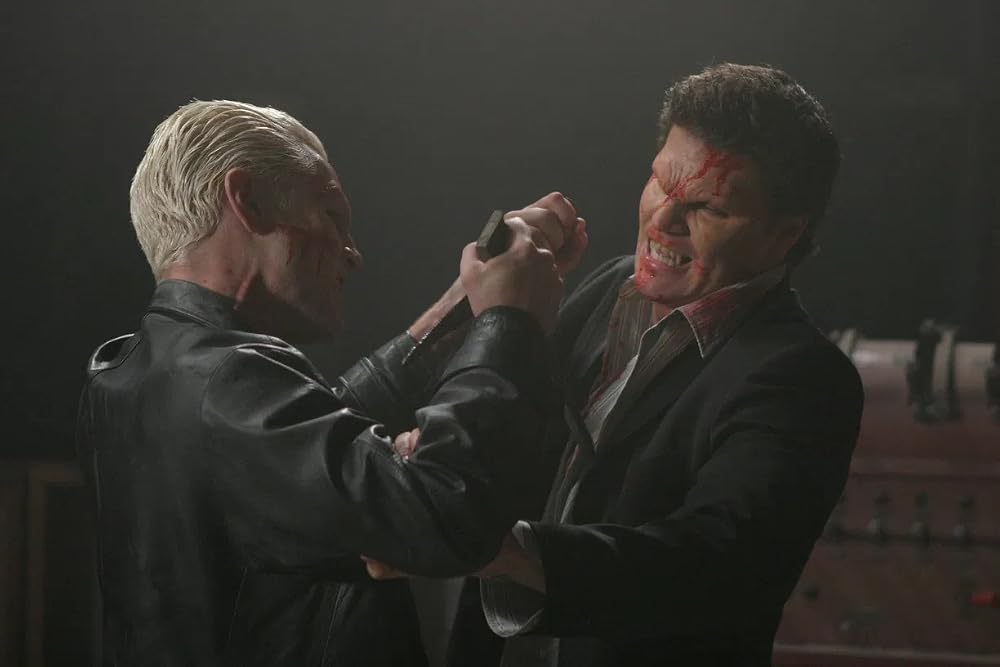 All this for a little Mountain Dew.
Later still, when Spike returns to a corporeal form, reality begins to unravel because the wheel of fate seems to confuse who is meant to embody prophecy. Angel and Spike’s showdown ends with Spike holding a goblet that is, in fact, Mountain Dew, a reminder that the “wheel of destiny” may be a product of misdirection and manipulation. The question that Angel continually interrogates is whether free will exists, whether destiny guides every action, or if the two can ever be disentangled. Buffy’s world resists this type of determinism, as she refuses to bow to any higher authority other than her own resolve; she even dismisses the Watchers Council when they attempt to assert control. Angel, by contrast, operates within a system where authority is always looming over him.
Thus, if Buffy is about adolescence’s grief—the ache of becoming—Angel, by contrast, probes the grief of adulthood: facing reality, the Sisyphean task ahead, and the stubborn choice to stride forward anyway. Even at the series’ end, when it seems the world might end, the revelation from Lindsey—“The world is sliding toward entropy and decay”—feels all too true.
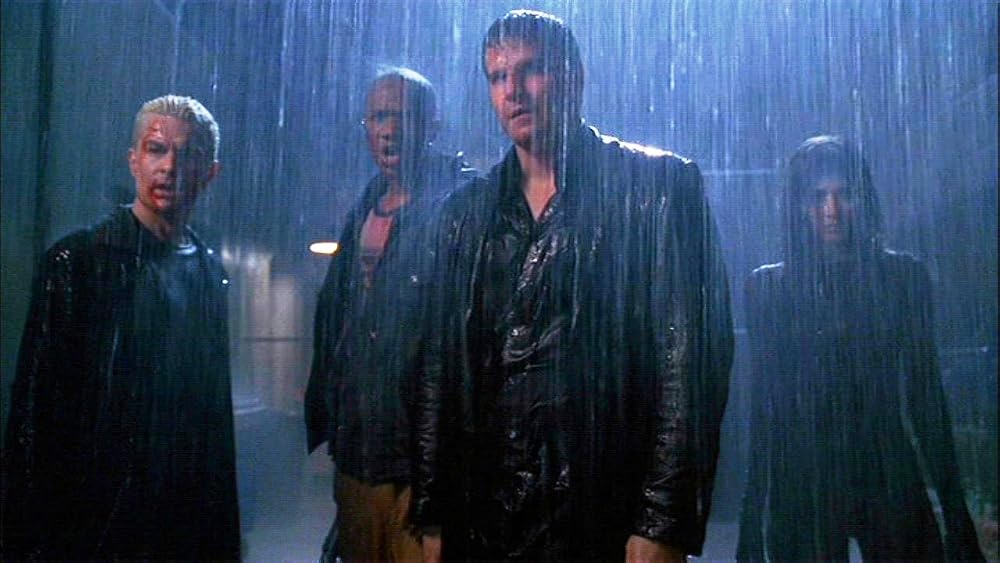 One last stand.
But there is meaningful change within Angel as well. The journey that will stand as the Buffyverse’s most expansive, and perhaps most enduring, character arc belongs to Wesley Wyndham-Price. He first appears in Buffy as a somewhat ineffectual, pompous Watcher-in-training, sent by the Council, who courts the affections of a much younger Cordelia while suffering endless rebukes and setbacks. In Buffy’s final climactic moments, he’s crawling around underfoot during the siege against the Mayor, stuttering for help. When he returns midway through Angel’s first season as a “rogue demon hunter,” fired by the Council for incompetence, it seems he’s there to replace Xander, but he does not; instead he becomes a version of Giles, and gradually, after impersonating Angel for a spell, grows braver and more valuable, eventually assuming leadership when Angel takes a backseat to his own ennui. The real transformation comes in Season Three of Angel, when Wesley falls in love.
Wes falls for Fred, the brilliant physicist from Pylea, and just as he contemplates confessing, an external force—demonic corruption—seizes him and showcases a deeply misogynistic side in those he touches. Fred’s rescue by Gunn matters deeply, but the experience traumatizes Wes more than it does Fred, who recognizes that Wes was under someone else’s spell. The aftermath is a slow burn: Wes becomes wary of his own feelings for a time, only to discover them anew when Fred is drawn to Gunn. He acts, and he misses his chance. Later, he discovers that Fred has found happiness with Gunn, and he must contend with a grief that reshapes his identity and his path forward.
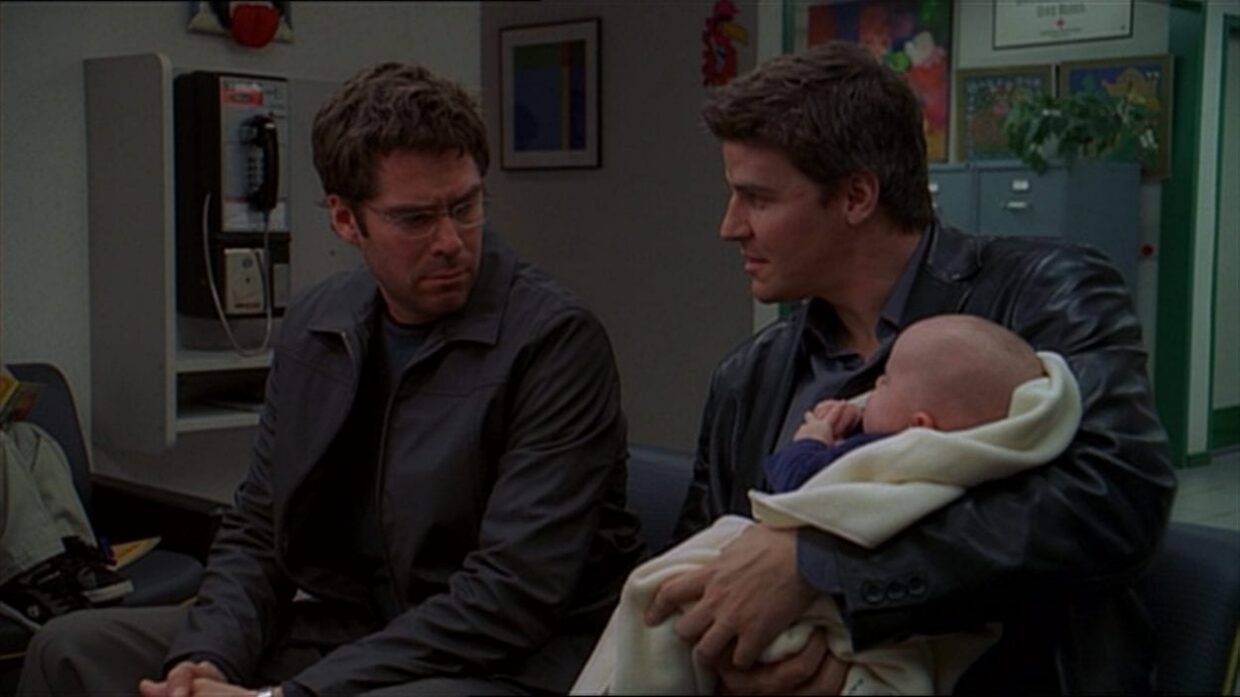 The father will kill the son (?)
In this same frame of mind—the shared arc of adulthood’s trials—Wes’s evolution becomes the centerpiece of the narrative: he discovers a prophecy that seems to predict Angel killing his own child. The space is crowded with fear and paranoia—Wes’s paranoia is fed by Wolfram & Hart’s manipulations—and he abducts Connor, hoping to secure him from harm. Justine arrives to cut his throat and take the baby away, leaving him for dead; the child disappears with Holtz into a hell dimension.
Connor’s abduction—by the way—emerges as Angel’s most agonizing moment: a parent’s worst fear realized. It alters his worldview so profoundly that the grief reshapes the moral landscape for Angel, as it did for Willow after Tara’s death. The healing arc that follows is similar in structure to Willow’s: friends stand by to help, and forgiveness becomes possible through their love. In Angel, the healing looks slightly different: the ensemble remains intact, and forgiveness is achieved not through silent sorrow alone, but through shared acts of care. Angel forgives Faith; Xander forgives Willow; healing via friendship keeps Buffy’s world—its Slayer’s world—functioning.
Wes’s journey continues into Season Five: Angel erases the memories of his son and of Wes’s misdeeds, and Wes remains in love with Fred, eventually sacrificing his life to protect her, and the couple’s bond eventually blossoms in a poignant finale when they finally come together in the Season Five climax. The culmination occurs in “Smile Time,” when Wes and Fred finally unite, their love a beacon through a long, painful arc that culminates in their union.
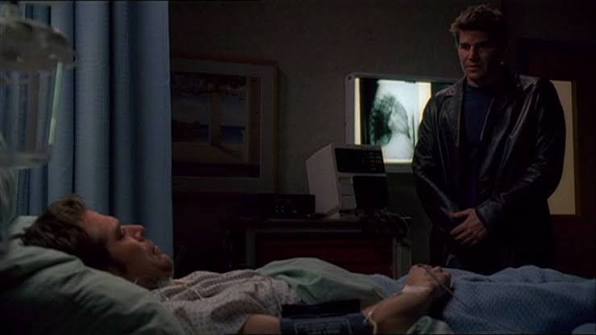 The opposite of Cordelia’s hospital scene.
Yet Angel does not offer Wesley the same forgiveness. He visits Wes in the hospital, feigning concern, acknowledges Wes’s fear of the prophecy and the difficult choices he faced, and then—speaking as the person he truly is now—tells him that this is not Angelus speaking, this is him, Angel. He asks if he’s understood that, and Wes nods. Then Angel attempts to suffocate him with a pillow, shouting that Wes will never be forgiven and that he will pay. This scene does not push Wesley all the way to evil; it does plunge him toward a very dark place, a stark reflection of Angel’s theory that adulthood is a test of continued endurance against the world’s corrosions. Wolfram & Hart spend long, patient years trying to turn Angel evil—and once they see the opening in his grief, they attempt to do the same to Wesley. By the end of Season Three, Wes begins sleeping with the enemy, Lilah; when he shows coldness to her later, she remarks, “So your former boss has a soul, and you’re losing yours. You’re new all over again, aren’t you?” Later, he keeps Justine in a cage in his apartment. When he finally returns to help, Gunn asks, “What happened to you, man?” Wes’s reply is blunt: “I was throat-cut and left for dead, and everyone I trusted abandoned me.” That, in a nutshell, sums up his transformation.
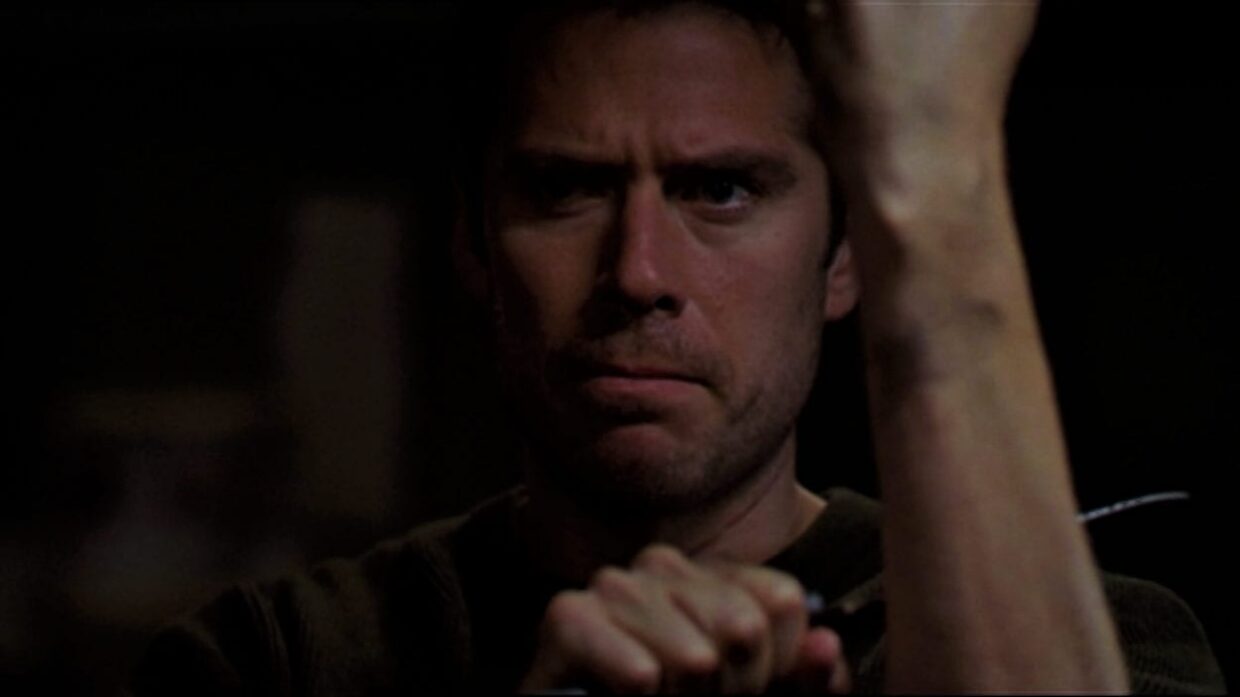 All those hours locked under the stairs and you still weren’t good enough. Not good enough for daddy, not good enough for the Council.
Another grief-sculpted metamorphosis, Wes’s arc becomes one of the Buffyverse’s most haunting transformations. The friends around him abandon him at a moment when they should rally, and he endures a painful return to a semblance of humanity only through his later alliances and his love for Fred. Yet even then, the path is treacherous, and his steps are marked by a harsh reckoning with his own past. He is ultimately capable of a redemption that feels earned, even as the cost is steep.
But Season 5’s heroism remains undiminished. Angel’s re-creation of his circle, his forgiving gesture toward Faith, and the way Xander extends mercy to Willow demonstrate that healing in this universe is a collective project, sustained by loyal friends who refuse to abandon one another in the darkest moments. Wes’s long, painful odyssey—ending in a culminating, bittersweet union with Fred—embodies the series’ most ambitious exploration of grief, memory, and the desire to become a person worth loving again.
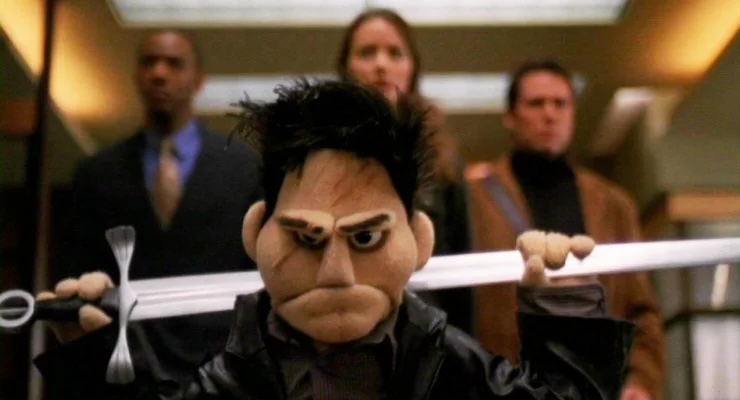 Everybody loves puppets.
“Smile Time” is, you’ll recall, the goofy, gleefully ridiculous puppets episode that still manages to be as emotionally devastating as anything Buffy has done. It lulls you with its spectacle, then slams you into “A Hole in the World” with even greater force.
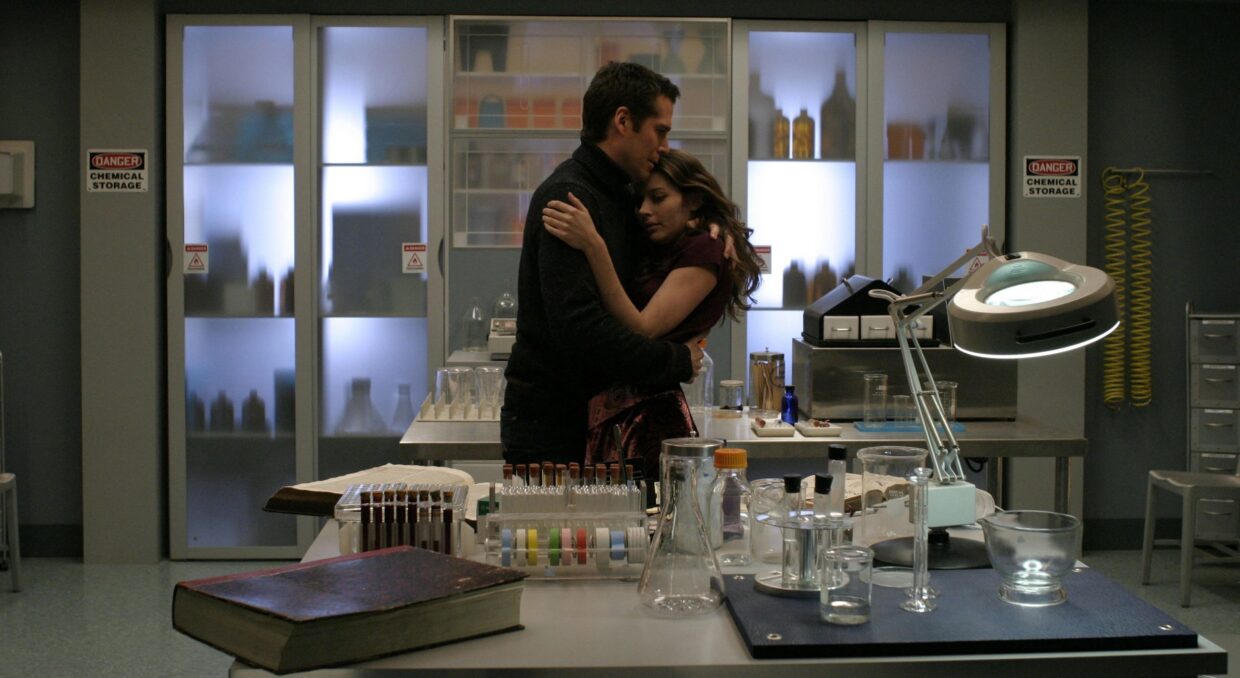 It seems like we ought to have known.
In “A Hole in the World,” Fred succumbs to a mummy-dust-induced death, slowly and finally, in Wes’s arms. This plot mirrors Tara’s death in its rug-pull structure, yet Fred’s demise unfolds across a full episode, flipping the standard “they always save the day at the last moment” expectation on its head. Fred’s body is then taken over by the Old One Illyria, introducing a new layer of grief for Wesley. He confronts the fact that part of his love’s essence persists in Illyria’s form, a visual reminder that memory and personhood intersect in painful ways. He asks Illyria not to imitate Fred too closely, for fear of forgetting what’s real. Yet the loss remains, and the actor’s presence helps temper the ache; clinging to fragments becomes a kind of solace, even if it’s a fragile comfort.
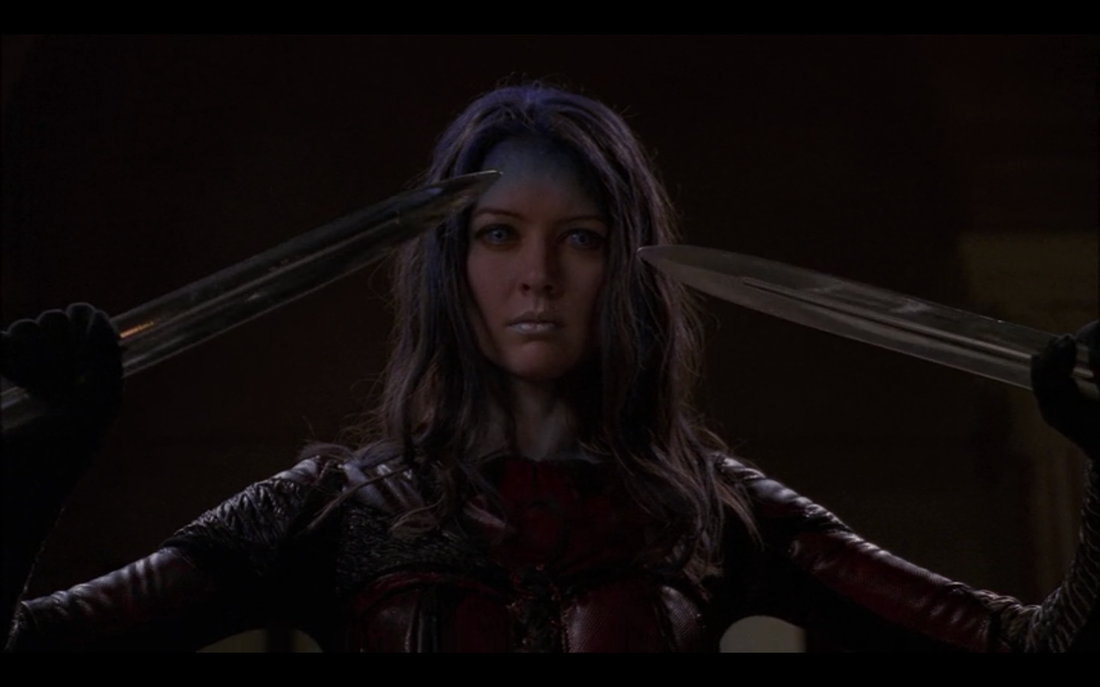 I wish to do more violence.
“Is there anything in this life but grief?” Illyria asks at the end of “Shells.”
“There’s love,” Wesley replies. “There’s hope, for some. There’s hope that you’ll discover something worthy. That your life will yield joy. That even after everything, you can still be surprised.”
“Is that enough?” she asks. “Is that enough to live on?”
There is no definitive answer. What could such an answer even look like?
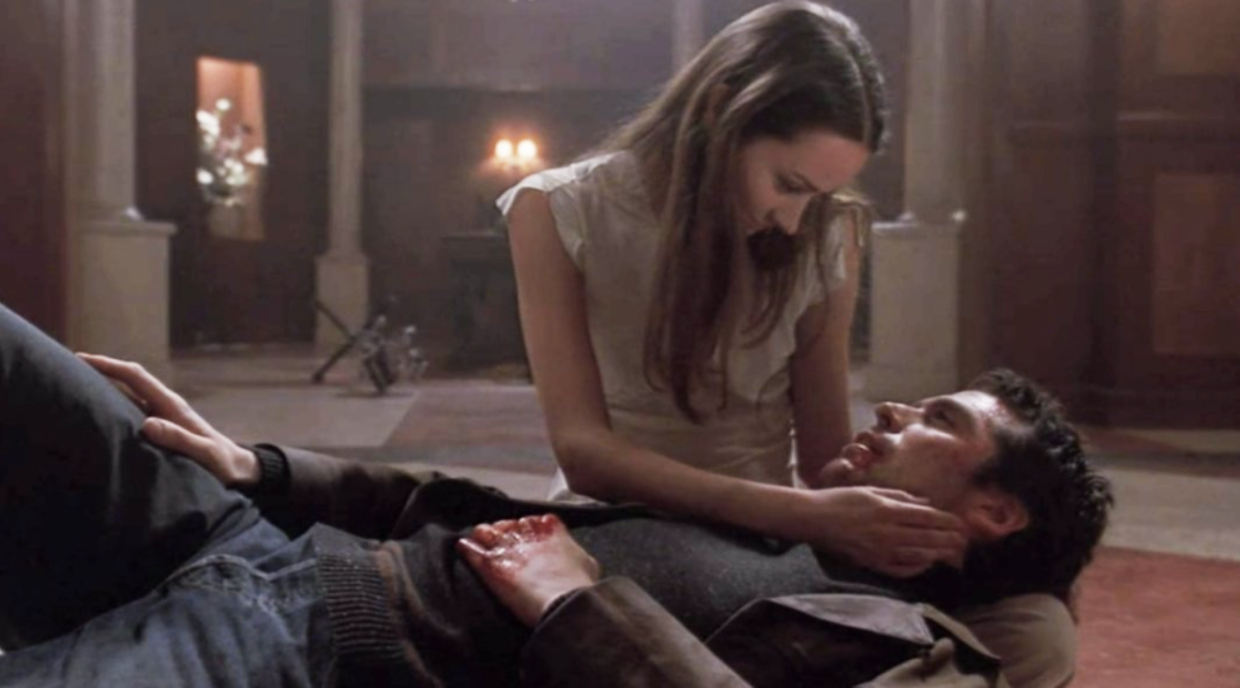 It was good that you came.
In Wesley’s climactic moment—within the final Angel episode—he finally lets Illyria lie to him and assume Fred’s persona so he can pretend to be with her at the moment of his dying breath. She, in turn, does resemble the real Fred, but with heightened resonance because Illyria has developed genuine feelings for Wesley. In the end, this final transformation is not born of grief’s triumph but rather to ease it. They die in each other’s arms, or nearly so. This orchestral ache—long cultivated and mirrored across relationships—exemplifies the Buffyverse at its most haunting and intricate.
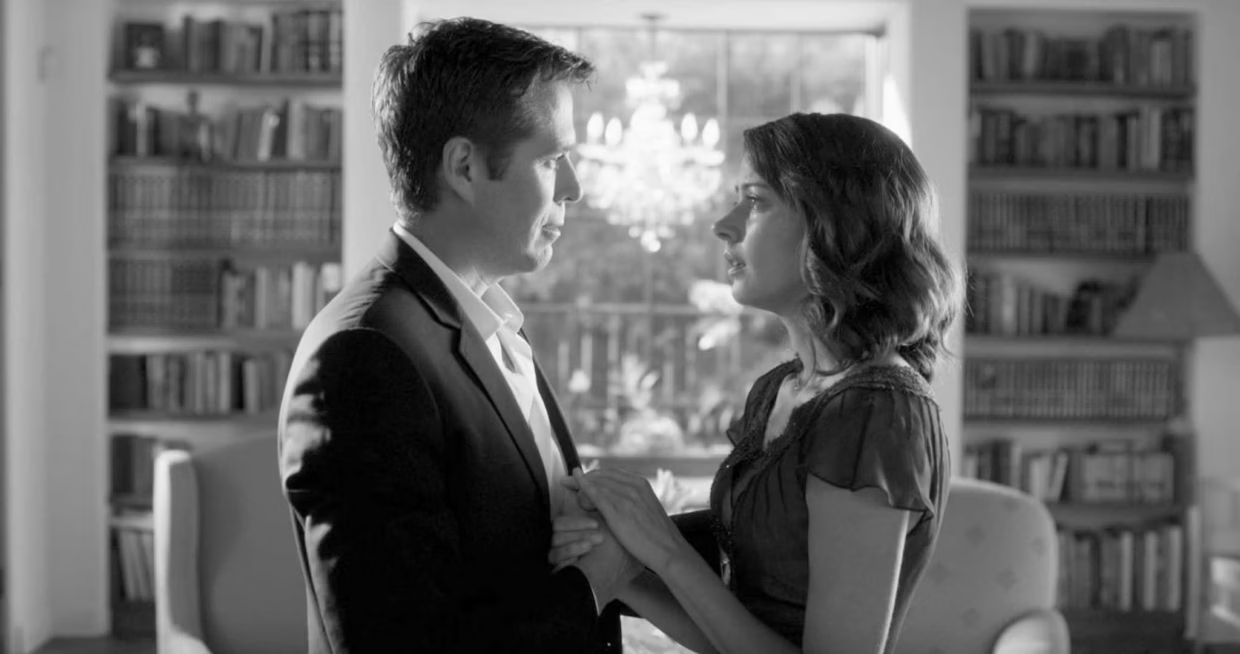 Thanks, I needed that.
By the way, I must admit a personal aside: the opening of Whedon’s 2012 adaptation of Much Ado About Nothing, featuring Amy Acker and Alexis Denisof in Beatrice and Benedick, induced a remarkable catharsis years after watching the series. Beatrice and Benedick’s consummation resonates with the show’s central argument about grief—how art can linger and help heal. If you haven’t seen it, you should; it will uplift you. This is a digression only to illustrate how grief—whether in Buffy’s world or our own—can persist and sometimes find relief in surprising places.
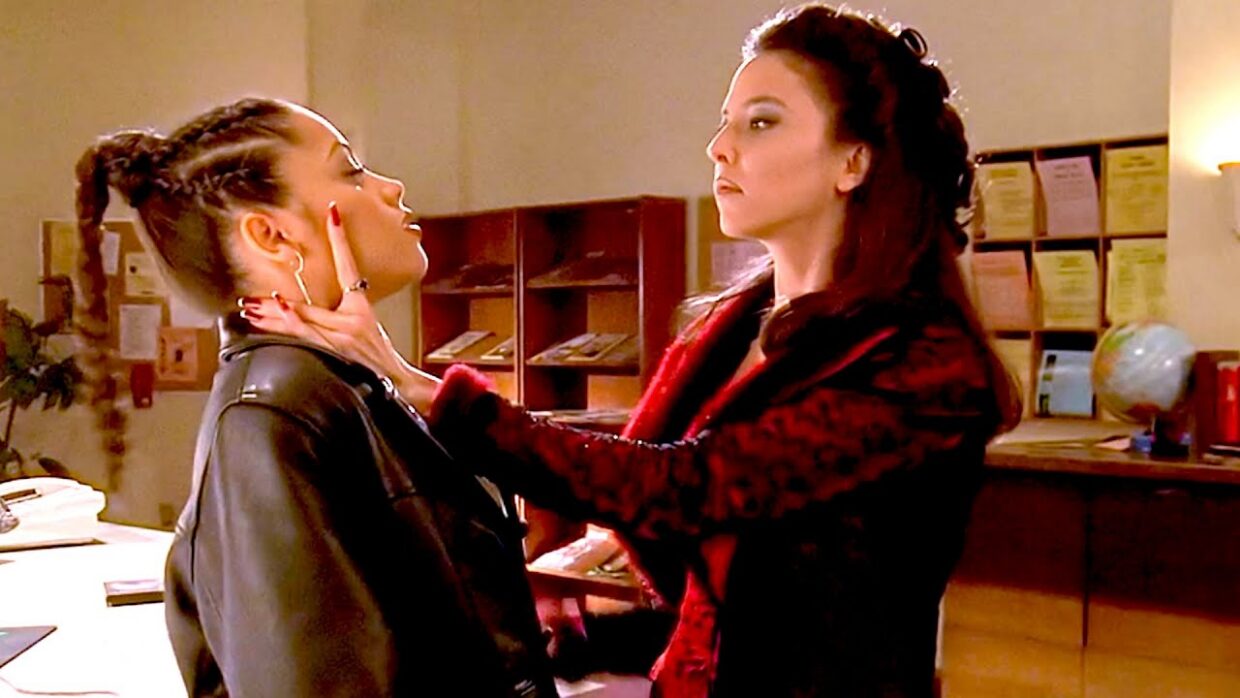 Where’s Mr. Pointy??
It’s worth noting who escapes grief unscathed—Kendra’s death seems to affect no one else in the ensemble, though one might imagine Buffy to be more crushed by it, and Anya’s arc feels rather underutilized by the final stretch. Cordelia’s long-delayed death is, in retrospect, part of a problematic arc that some associate with Joss Whedon’s treatment of her. It’s a reminder that even in a show celebrated for its feminism, the casualty list remains heavy on female characters. This isn’t to gloss over these complexities, merely to acknowledge that grief’s reach is uneven and that the show’s treatment of it is sometimes controversial.
I also feel compelled to note that despite Buffy’s visible feminist posture, the show’s true casualties are predominantly women. It’s not a strict rule, but it’s striking that many of the most significant losses fall to female characters, a pattern worth considering alongside the show’s broader claims to equality and agency.
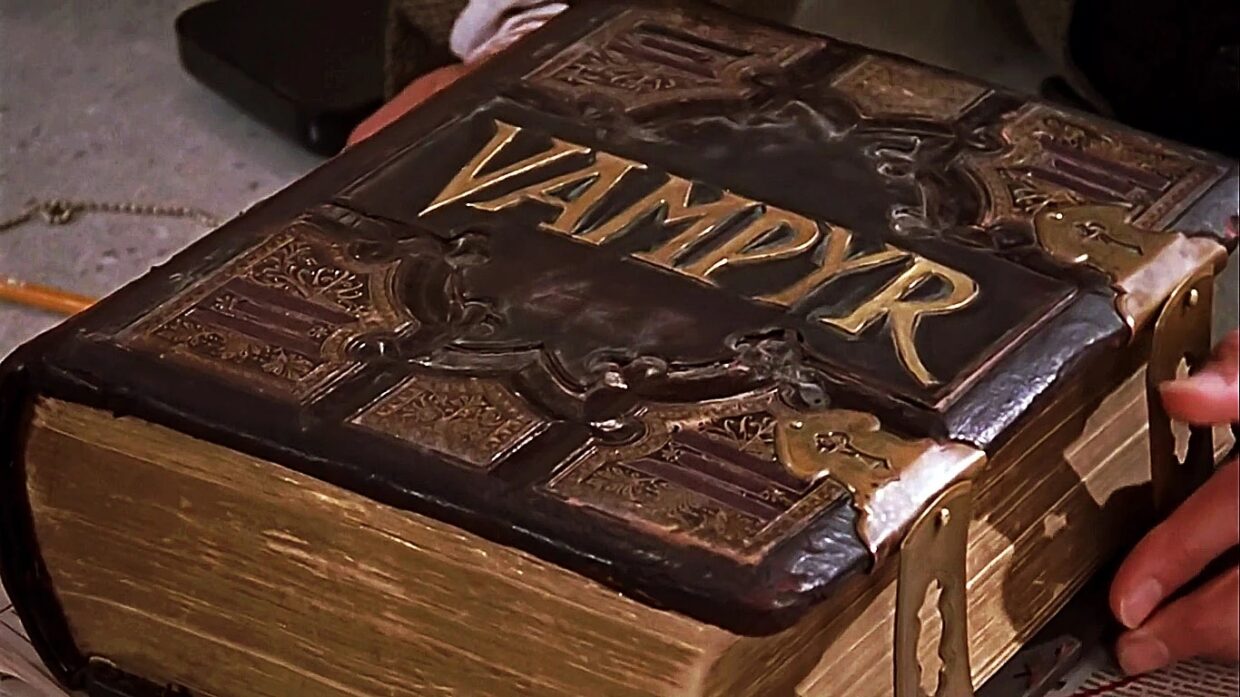 I know what you’re after.
Before I conclude, I promised to speak on why many writers adore Buffy, and I’ll finish with that. Notable voices have spoken about their fondness for the show. Naomi Alderman has written about the way Buffy’s intensity and moral complexity inspired her. Kelly Link, acclaimed author of a MacArthur–fellow collection, created a story about watching Buffy that captures the sense of living within a beloved fantasy and then watching it through a literary lens. Lev Grossman, the author of The Magicians, has claimed that Buffy’s influence is inseparable from his own work. And Marlon James, Booker Prize-winning novelist, has called Buffy “the only show I can remember that frequently left me breathless and in awe, or, in other words, consistently delivered moments I wished I had written.”
That, in essence, may be the simplest truth: we all wish we had written Buffy.
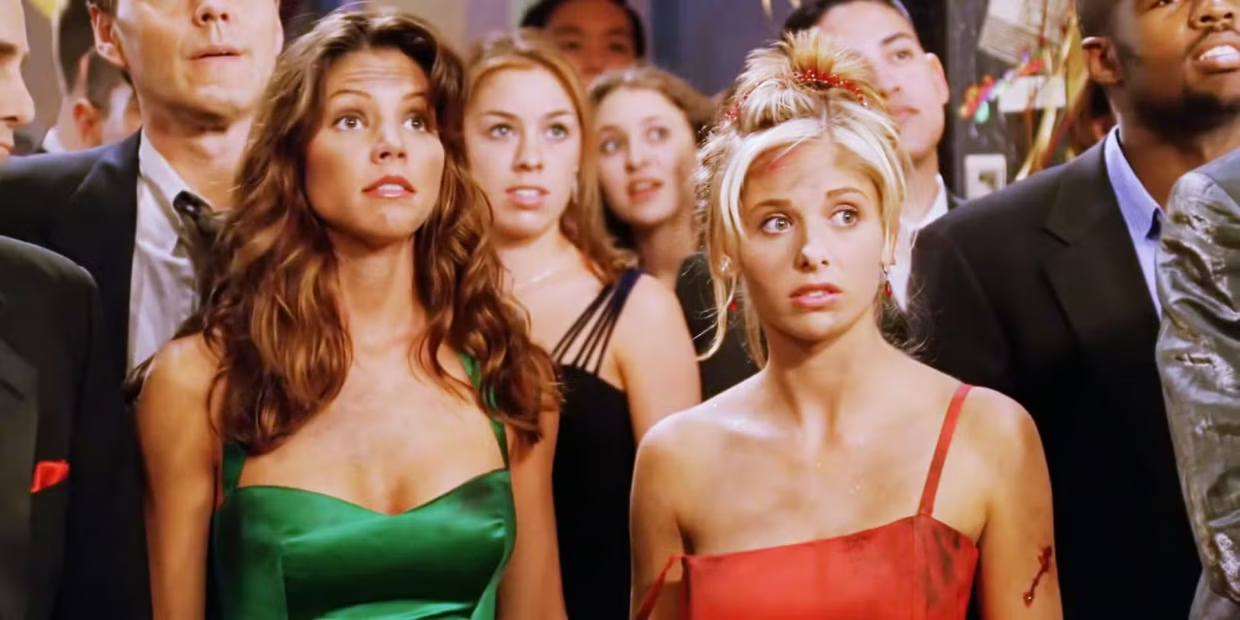 Competition. Competition is a beautiful thing. Makes us strive. Makes us accomplish. Makes us kill.
People come to literature for many motives. Some crave linguistic play; others seek a distinctive consciousness, a way of observing the world that remains inaccessible through other media. Novels tend to excel at interiority, offering a depth of mind that film or television seldom captures, except through a director’s uniquely cohesive perspective. Yet even with that, the Buffyverse invites a different kind of understanding: it offers a shared consciousness, a resilient culture built on a tapestry of fear, longing, and endurance. It is not merely a set of stories; it is a living conversation about what it means to grow up, grieving and learning to live with that ache. It is, in sum, a literary object that feels as tangible as a book in your hands, even as it unfolds on screen.
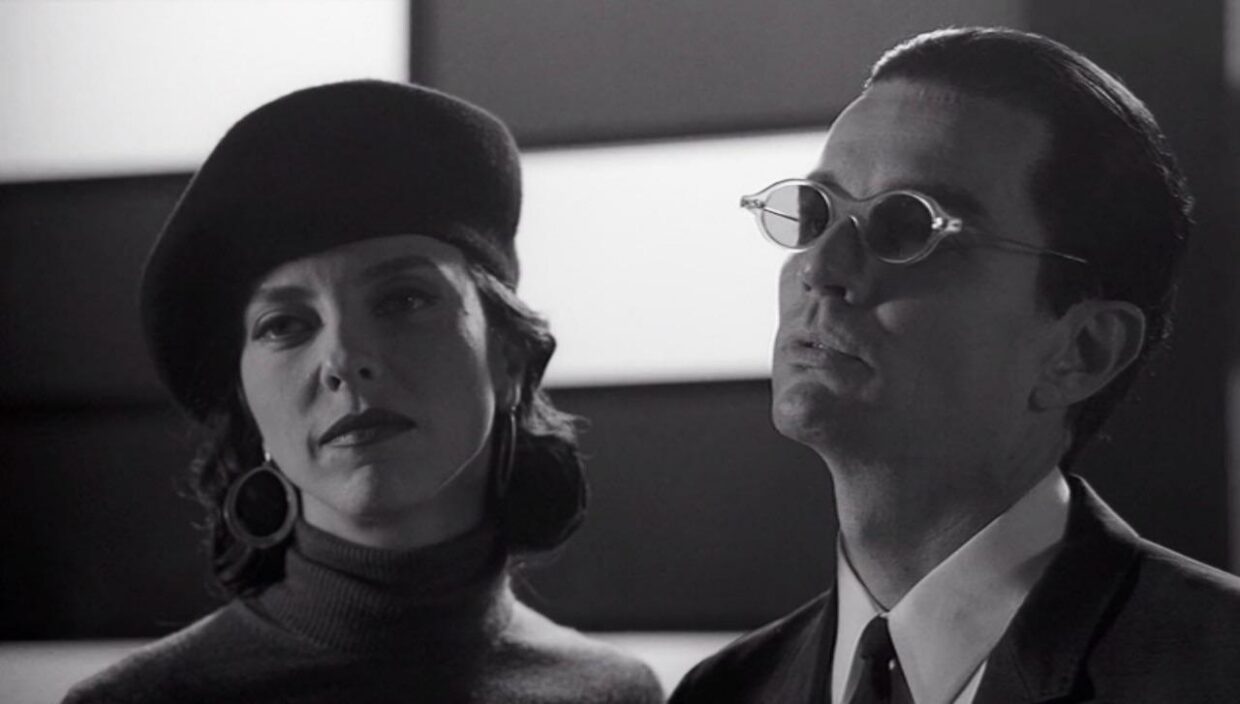 Ciao.
Ciao.
But in Buffy and Angel, due to the density of storytelling andWorldbuilding, there’s a palpable sense of a broader cognitive force at work—a kind of collective intelligence that binds these characters into a shared, almost literary consciousness. The shows’ intertextual humor, their layered metaphors, and the overlapping motifs all contribute to a sense that there is a deeper mind at play, an accumulation of ideas that gives Buffy and Angel their remarkable coherence. It’s this internal intelligence, this evolving consciousness, that makes the Buffyverse feel like a living, breathing organism that changes us as we follow it.
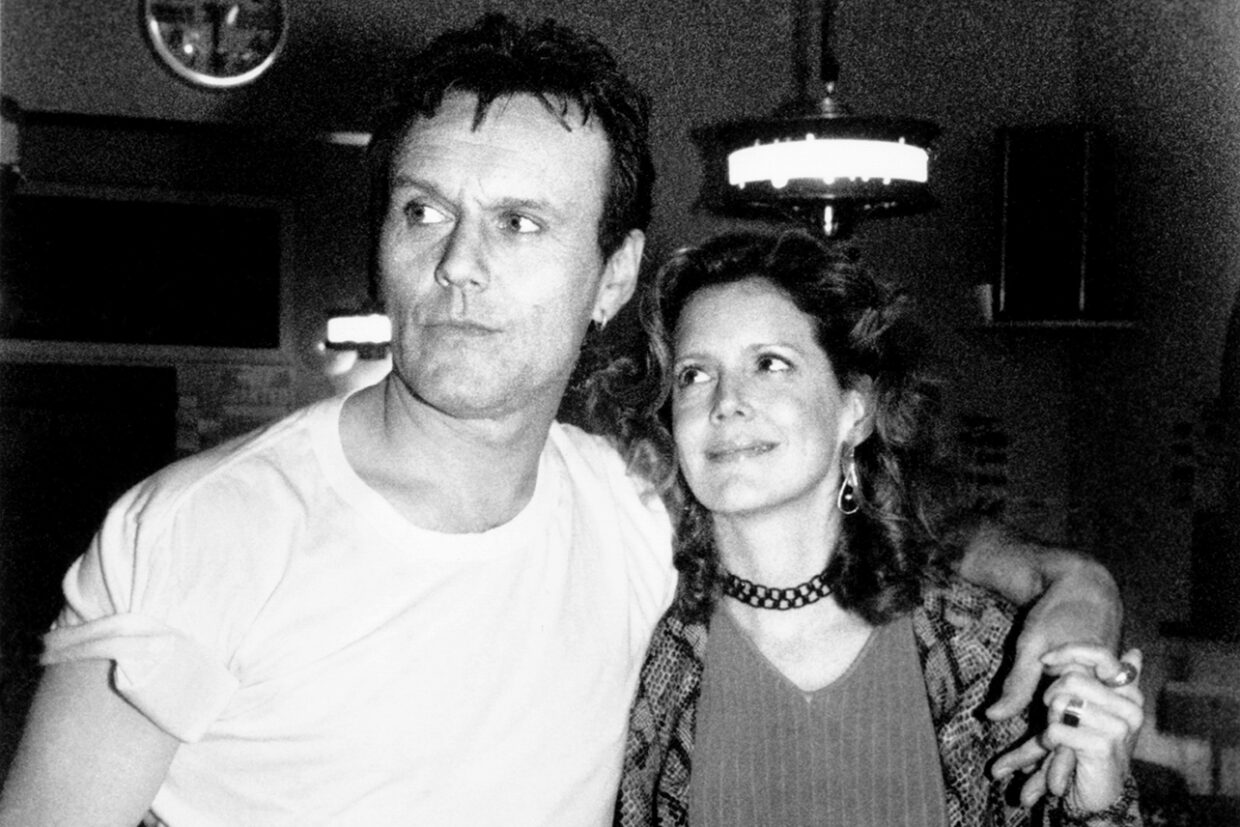 Call me, Ripper.
There’s also the unsettling truth that Buffy and especially Angel remain, after all this time, secretive in a way that invites constant decoding from viewers. The show’s low-budget aesthetic and its campy vibes—the things Emily Nussbaum has pointed to as limiting its visibility—also contribute to its enduring literary appeal. Buffy isn’t slick or glossy; it’s tangible, almost paperback-sized. It feels like something you could slip under your bed and still catch every detail. And many writers I know—myself included—feel that same sense of intimate belonging. Buffy is not simply a show to love; it’s a shared artifact that invites us to keep returning, to keep rethinking what it means to grow up, to grieve, and to persist in the face of loss.
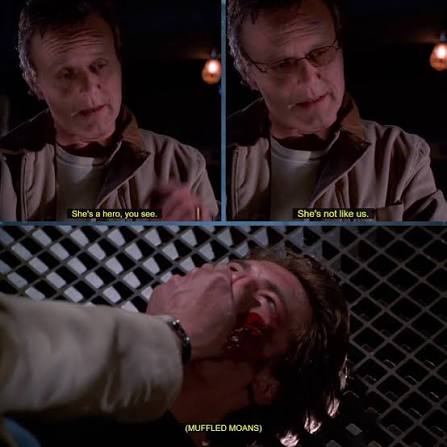 My favorite moment of the series.
One of the first approaches I learned for interpreting literature was through symbolism. But as a writer, I’ve learned that treating fiction like a code to crack can overshadow the point. “Stories aren’t about things,” a writer once said; “Stories are things themselves. Stories are actions.” Excessive intention and overt metaphor can dampen a work’s vitality. Buffy and Angel thrive because they function as both codes and actions—an ongoing dialogue between what the stories signify and what they do to us as readers and viewers.
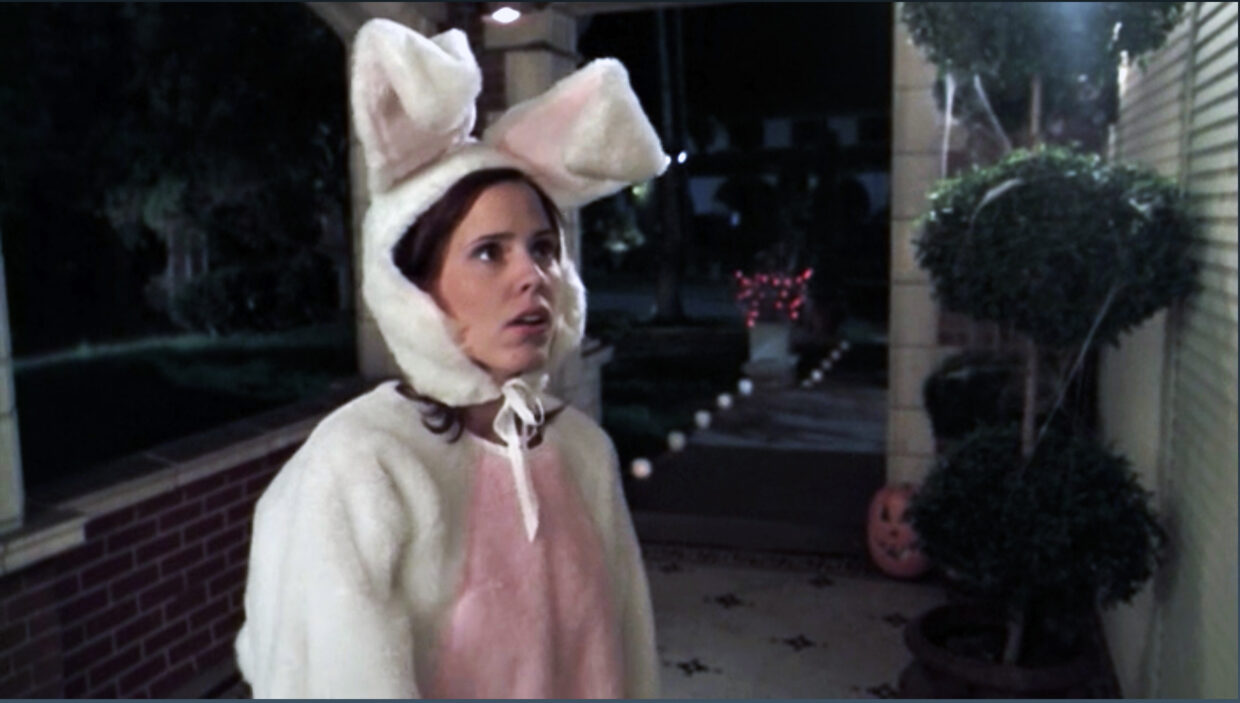 Bunnies, bunnies, it must be bunnies!
Buffy is full of these codes and metaphors, sometimes bluntly obvious—and with the exception of “Beer Bad,” they mostly pay off. Buffy and Angel manage to be both code and action at once. The show’s core mission—transmuting genuine teenage anxieties into monsters—remains clear, but what makes it remarkable is the sense that the emotions of its characters—and by extension the viewers—feel real. The show, like any meaningful literature, is more than one thing at once: it is a constellation of mirrors, doubles, and layered meanings that invites us to sift through them. Buffy grows, and, in the process, it changes us too.
 With the rising music, and the rising…music.
So this past year, I’ve carried grief for Tony Head, Nicholas Brendon, Michelle Trachtenberg, and their families, and for my own father, and for the world. And I’ve learned that grief is a sign of humanity. It is what makes us human. It is how we know we possess a soul. Sometimes the truth of our humanity appears only when it is painful to reach.