
Montserrat Roig’s 1972 Catalan classic, Goodbye, Ramona, begins and ends with a striking scene from the Spanish Civil War. If you don’t recall every detail of that exceptionally tangled conflict, that’s okay. The important thing is to follow the woman described on the page, Ramona Ventura, as she threads through streets and ultimately a morgue in search of her husband while Barcelona endures bombardment. The chapter brims with allusions that might slip past you if you don’t keep straight the names of every faction involved, yet the essential image is the expert, terrifying snapshot of a city at war and a woman racing to navigate it.
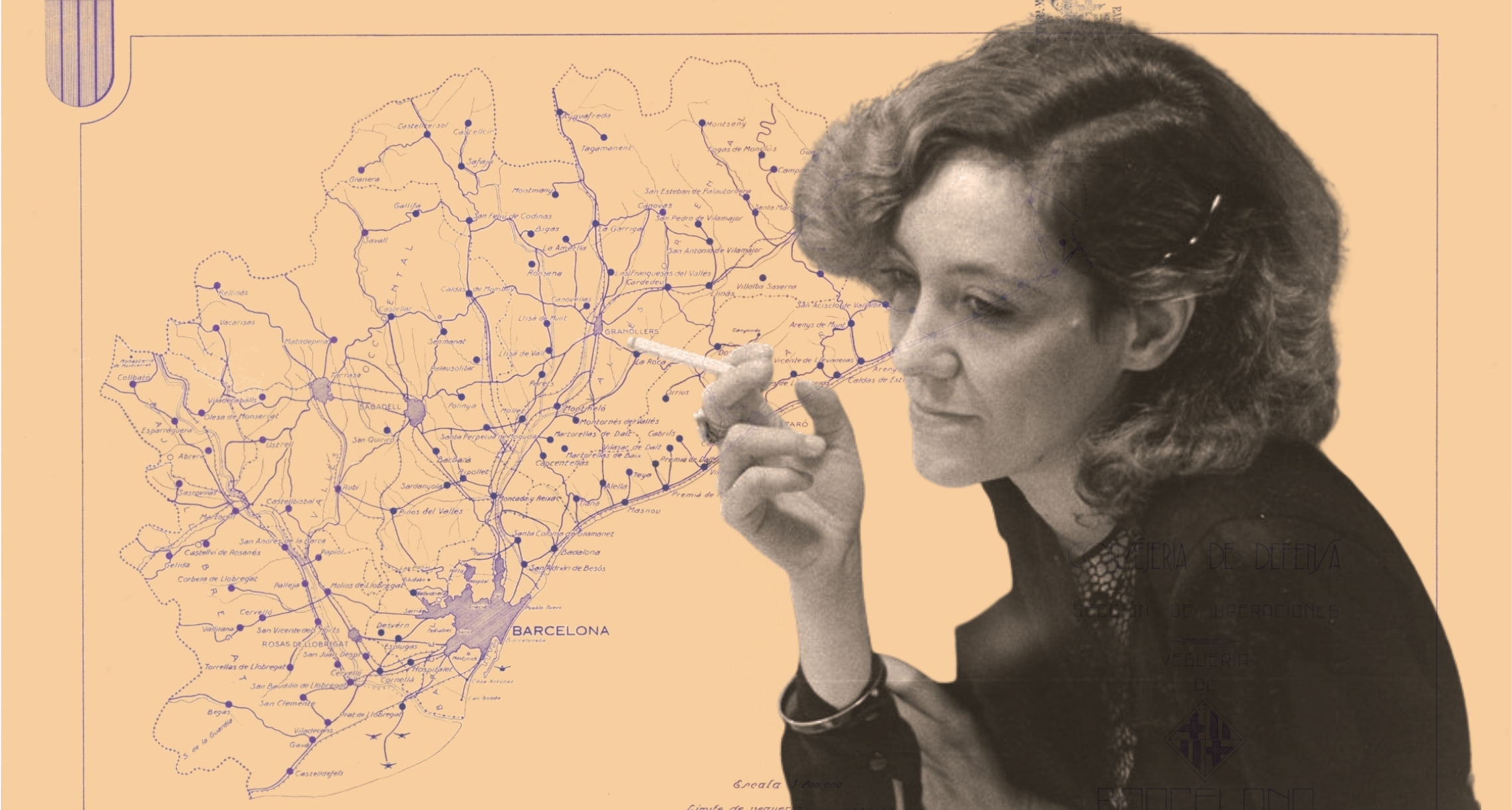
Roig, born under Franco’s dictatorship, was a feminist and antifascist activist in her mid-twenties when she published this, her first novel. With it, a vital new voice rose in Catalan literature—a visionary who could stage the most turbulent moments of Spanish history on a personal scale. The book weaves together three strands: three generations of women named Ramona living in Barcelona, spanning the late nineteenth century, the Civil War, and the politically unstable 1960s. Although the buildup, carnage, and violent aftermath of the Civil War provide a powerful backdrop, they are not her primary focus. Roig is interested in what happens to these women—whom they love or are loved by, what they want or are allowed to want—as men in their homes and men in government determine the course of their lives.
As I began reading Megan Berkobien and María Cristina Hall’s English translation, my curiosity led me to refresh my memory of the events that precipitated and occurred during the Spanish Civil War, all of which, I suspect, will feel strangely familiar to the contemporary reader.
As I began reading, my curiosity led me to refresh my memory of the events that precipitated and occurred during the Spanish Civil War, all of which, I suspect, will feel strangely familiar to the contemporary reader.
Roig’s opening plunges us into the war’s violent heart, but from there the narrative shifts to an earlier time. Suddenly we’re in 1894, inside the diary of the eldest Ramona, just days before she is about to wed a man she hardly knows. This Ramona Jover is a young woman largely oblivious to the ordeals her unborn daughter will eventually endure. Instead, she leads a life of relative comfort and privilege—hardly a life of freedom or true personal liberty.
In contrast, Ramona Claret—the granddaughter—reaches the late 1960s as a university student still under the roof of her mother and grandmother (both also named Ramona). The youngest Ramona becomes entangled in a dangerous, legitimate resistance against the far-right government and is both perplexed and disappointed by her mother’s lifelong drift, described as “going through life constantly disoriented by her husband’s moods, like an awkward little child who doesn’t expect anything from anyone.”
This youngest Ramona carries higher expectations for the world and bolder aspirations for her place within it, yet she falls into a familiar trap: she loves a man who cannot give her what she needs because he is so absorbed by his political beliefs that he cannot acknowledge how his treatment of women contradicts those beliefs. Through these three Ramonas we glimpse three possible responses to oppression: after a fervent youth and a later emotional collapse, the eldest Ramona, Ramona Jover, ultimately finds strength in a resigned acceptance of what a woman born in the 1800s could realistically achieve. Ramona Ventura has simply endured too much war and witnessed too much death to muster a decisive stance or reaction; she admires her mother’s strength and resilience. The youngest, Ramona Claret, remains in the process of forging her rebellion, but the danger is real—state-sponsored kidnappings and executions are all too common. There is little resolution for Claret, though a glimmer of hesitant hope persists.
When Montserrat Roig wrote and published this novel in Catalan, her government was actively suppressing the language. Catalan, Basque, and Galician were spoken by millions, yet Francisco Franco’s regime demanded cultural uniformity; the public sphere was closed to non-Castilian languages, branded as unpatriotic and not Spanish. As I compose this introduction, far-right movements in Spain and elsewhere are summoning comparable efforts to silence dissent. Goodbye, Ramona, with its vivid, sweeping portrait of Catalan refusal to conform to oppression, stands as a testament to how a language—like the longing to be free, to love, and to learn—cannot be contained.
__________________________
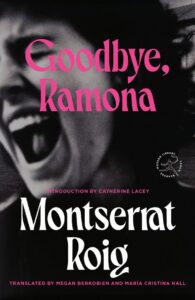
Excerpted from the introduction to Goodbye, Ramona by Montserrat Roig. Copyright © 2026 by Catherine Lacey. Published by Modern Library, an imprint of Random House, a division of Penguin Random House LLC
