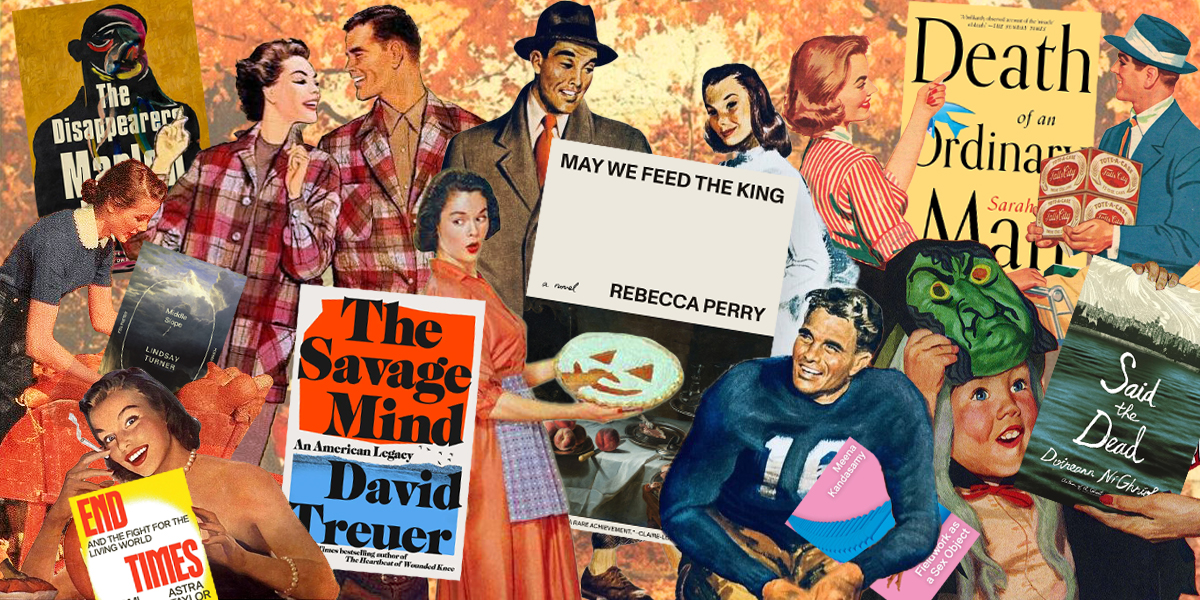
The weather has grown unreliable in judging the seasons and beyond. As I draft this intro, the leaves stubbornly cling to green, while outside my window rain torrents down. Yet at last weekend’s farmers’ market I wandered past a row crowded with watermelons to my left and the first pumpkins glimmering on my right, and I can say with a measure of assurance that autumn is on its way.
Of course I’ve long known that fall is publishing’s conspicuously busy season, and anecdotally it’s the one when I get the most questions for recommendations from friends and neighbors. Perhaps it’s the back-to-school instinct—spend September filling up shelves for two decades and you’ll feel compelled to keep doing it—or maybe it’s simply the subtle shift in mood, from summer immediacy to a temperature-and-timeline sense that year’s end is near. Either way, a wealth of strong titles lands this season. Here is a window into a selection the Lit Hub team has read and loved thus far, and is eager to suggest to you.
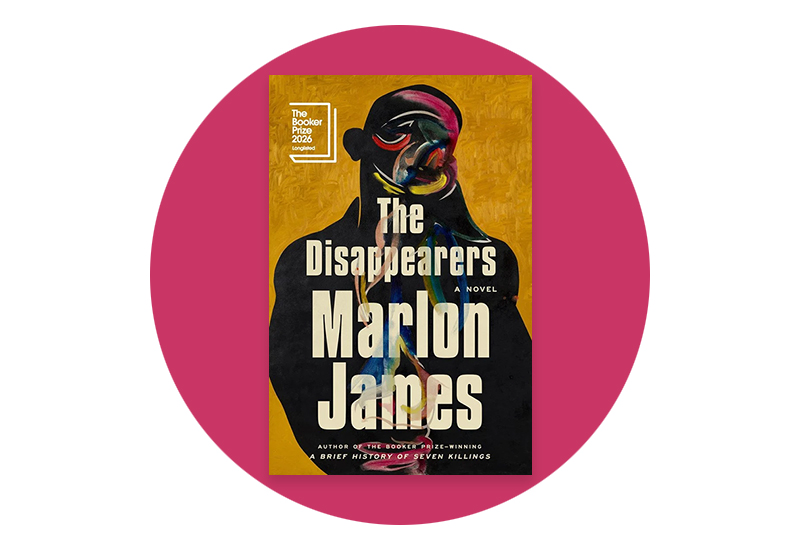 Marlon James, The Disappearers
Riverhead, September 1
Let’s get the hype out of the way. Nominations and breathless chatter arrive in abundance with this title, and so does a stubborn backlash. Yes, Marlon James’s monumental new work was almost tailor-made to provoke discussion from its outset. It’s a long, exuberant epic in the tradition of A Brief History of Seven Killings, an unapologetically sprawling, polyphonic tale about the nation, written with unmistakable audacity. It’s an immersive, vivid experience that will pull you into the most uncomfortable corners of humanity, hard to believe and hard to put into words. Is this exciting or maddening? It’s both, and I’m here to tell you: it’s real.
This novel opens with a circle of queer men in 1980s Kingston gathering to rehearse a play. It isn’t a spoiler to say that violence isfalling upon them, and afterwards the group disperses in profound ways. In the latter sections, the book toggles across timelines and narrators as survivors weigh vengeance.
There’s a rich intertextual loom to the book, but it thrives most when it carves out its own universe. James treats both violence and longing with brutal precision, and he frames sex and desire with a clinical exactness that feels refreshing in an era of restrained storytelling. I’m unable to explain the propulsion that makes it move so forcefully, but the 600 pages roll forward like a wave. –Brittany Allen, Staff Writer
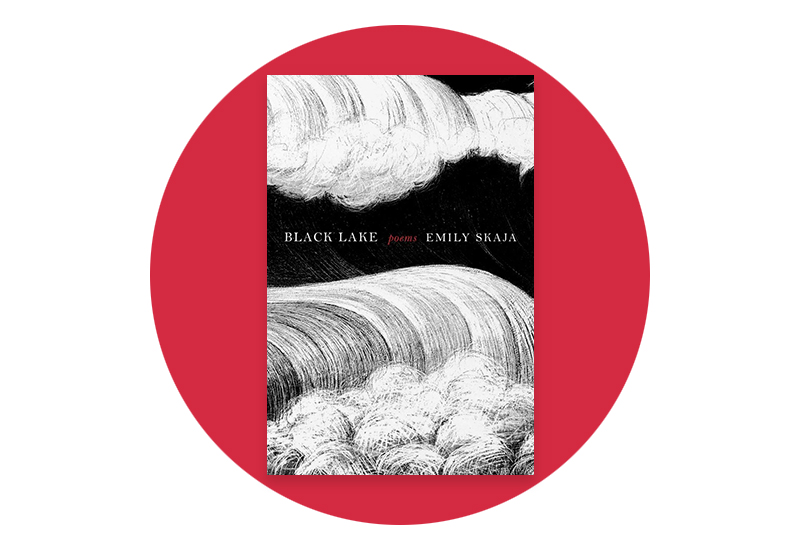 Emily Skaja, Black Lake
Graywolf Press, September 1
I was riveted by Skaja’s second collection, where the title Black Lake becomes a bottomless sinkhole of grief that expands as the speaker endures miscarriage after miscarriage in a world that grows ever harsher. This is a book of mourning, and as such it is darkly humorous at times (“Given the wrong food at a restaurant, I will eat it / politely. Given a feral dog, I will own a feral dog.”) and often dreamlike (“‘The weather does not belong to you,’ the billionaire explains, gnawing on memories of the fifties.”) and excruciatingly painful (“Was it an absence or a presence? / It was a black circle, like a lake with a drain.”). It nods to Plath, but it exists within a vibrant, unruly present and resonates with a pulse of blood, desire, frenzy, and lucid horror. –Emily Temple, Managing Editor
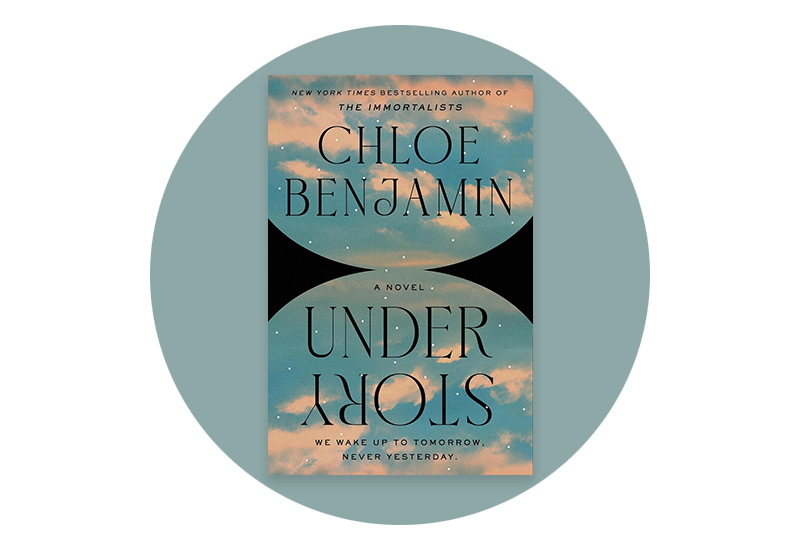 Chloe Benjamin, Under Story
Putnam, September 1
Holding the hardcover of Chloe Benjamin’s latest speculative epic may feel intimidating at first—516 pages, after all—but that initial sense shifts into pure awe once you begin. You’ll realize how broad a spectrum of worlds, existence, and meaning she has compressed into these pages, a remarkable feat of concision. The novel is expansive in scope yet tightly braided, weaving together a tale of love, loss, mortality, and healing.
We follow Laurel, a protagonist stationed at a research outpost in Antarctica. The reasons for her presence unfold with each revelation: a marriage ending, a child’s death. Laurel longs for relief, yet what she truly desires is to rewind and redo what has happened. On the ice she discovers a portal that allows her to step into a life she once knew—or a close counterpart—where time runs backward. This reverse chronology disorients, reframing life’s expectations, its triumphs, and its losses.
Benjamin undertakes a monumental speculative project—an entire world so carefully built that it took nearly a decade to complete. Yet the striking centerpiece isn’t the universe she crafts; it’s the heartache and the inexorable march of time. It’s a meditation on the endurance of love even as we know how the ending will go. I found these lines from Mary Oliver—To live in this world you must be able to do three things: to love what is