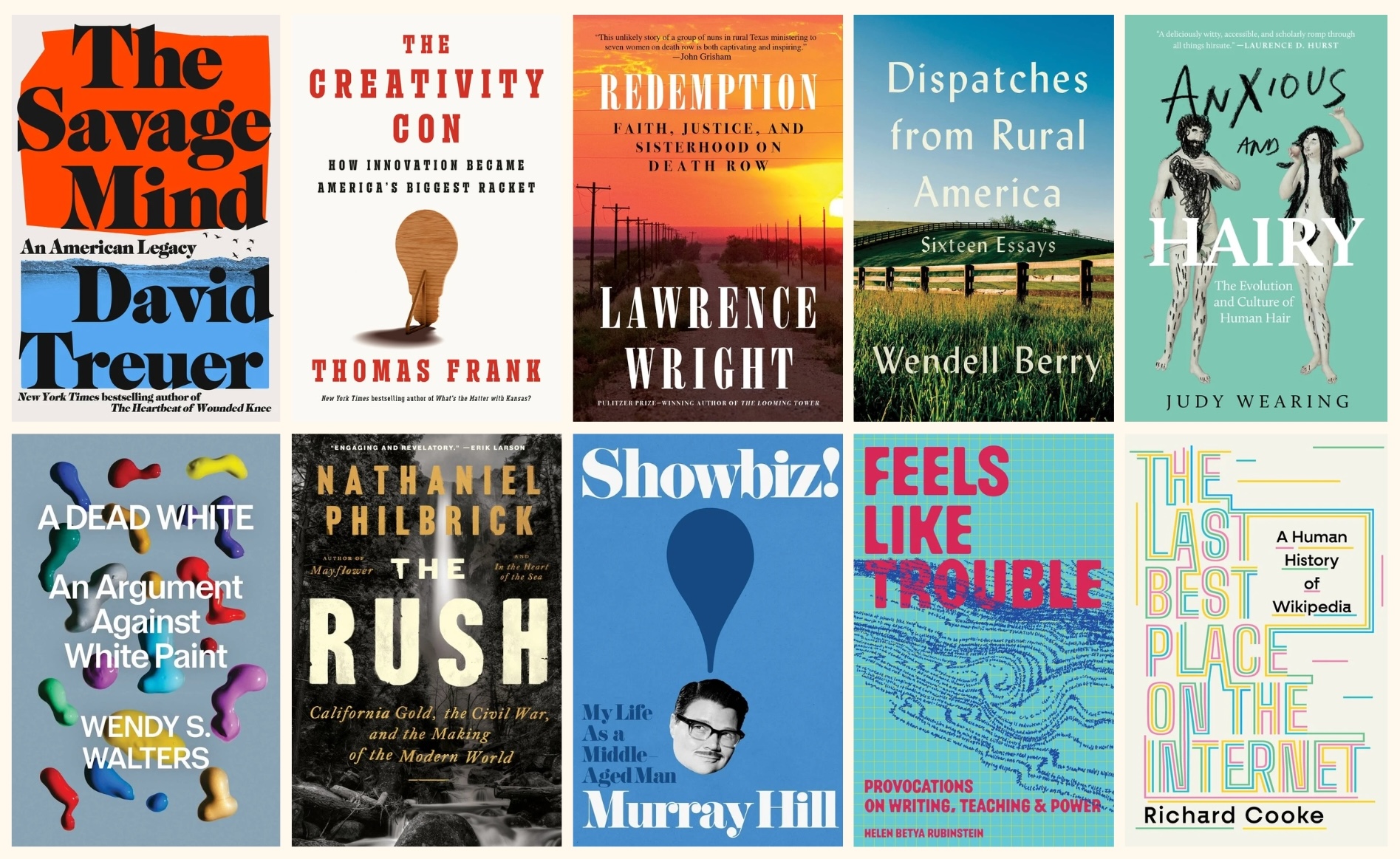
Next month offers an incredible selection of nonfiction, including work by David Treuer, Wendy S. Walters, Thomas Frank, and more.
*
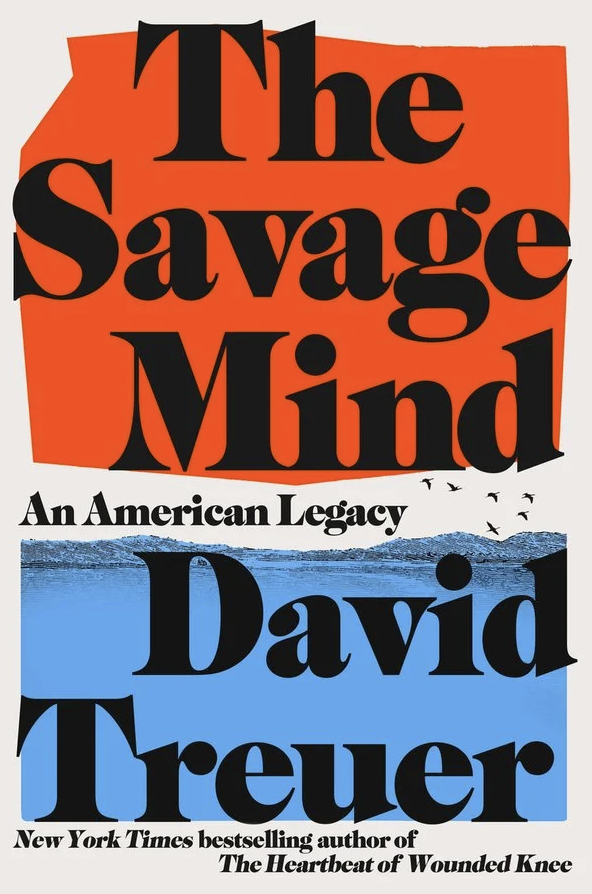
Savage Mind, David Treuer
David Treuer stands out as a true multitalented writer—an accomplished novelist and a celebrated memoirist—and his most talked-about book is, in some ways, a sweeping history. Though Treuer has worked in various forms, his gift remains storytelling at its core; with The Savage Mind, he adds an epistolary meditation to his oeuvre. The volume unfolds as a letter to his three children (now in their late teens), opening with a remarkable tale of life on a reservation that could pass for a Denis Johnson piece, and, through Treuer’s characteristic blend of history and memoir, broadens into a broad-ranging meditation on the so-called American frontier. It examines both the historical truth of a landscape marked by violence and cruelty and the potency of a mythic imagination that has informed this country’s imperial projects, on both foreign soil and within its borders.
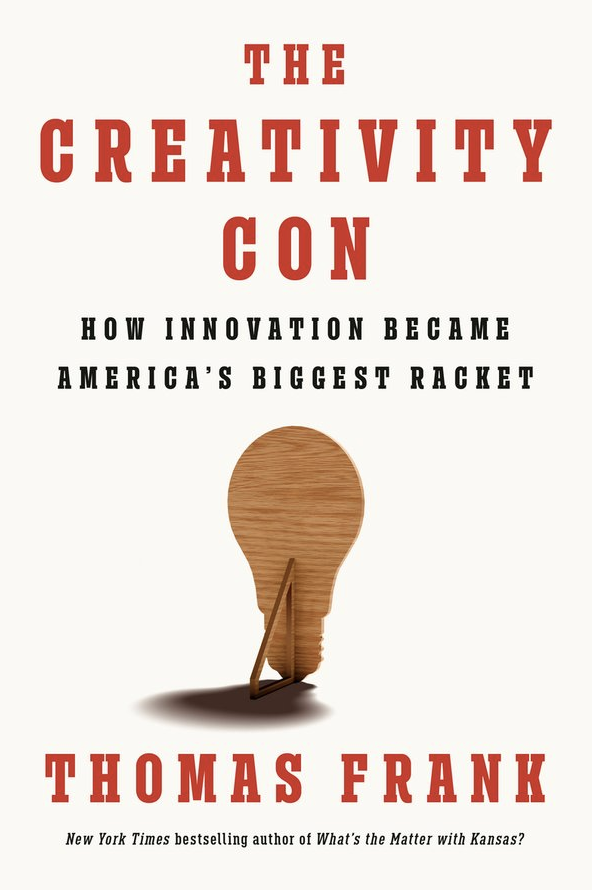
The Creativity Con, Thomas Frank
Luckily for the rest of us, Thomas Frank has directed his discerning American skepticism toward the “move fast and break things” crowd. A long-time critic of how power is distributed, Frank brings his sharp mind and biting wit to a sprawling cast of postwar tricksters who hide behind the banner of “innovation” to push a quick, cliché-riddled form of progress that drains wealth from the bottom and concentrates it higher up, leaving the majority considerably worse off than before.
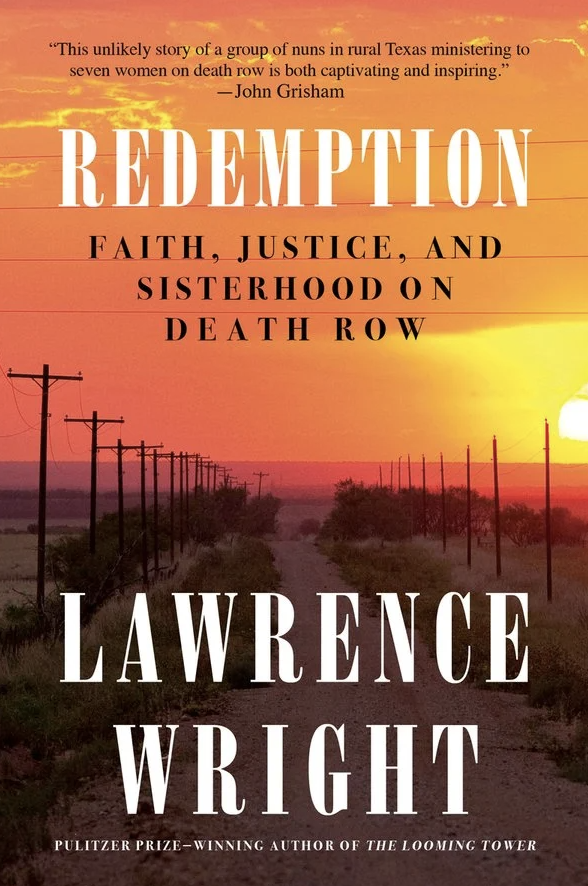
Redemption, Lawrence Wright
Lawrence Wright stands among the era’s premier narrative journalists, which makes it particularly fitting that he now turns his attention to one of America’s most urgent moral questions: capital punishment. In exploring the unexpected alliance between a group of nuns and the women on death row at a Gatesville, Texas, prison, where the sisters attend to the inmates’ spiritual and emotional needs, Wright unsettles many of the contradictions and injustices that lie at the core of the American legal system.
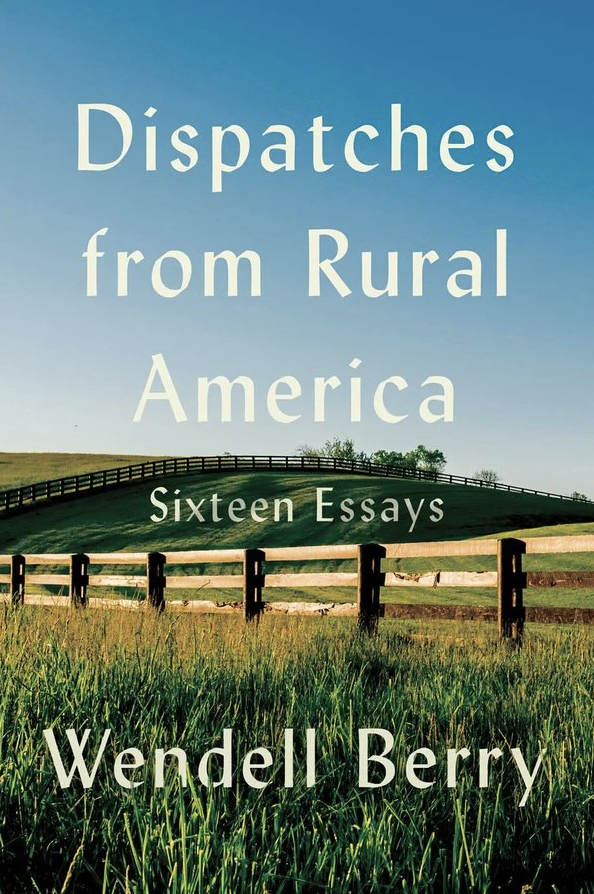
Dispatches From Rural America, Wendell Berry
This is an important primer of the wonderful work of Wendell Berry, who we lost last month at the age of 92. Berry, who is sometimes too narrowly typecast as “American pastoralist,” in the lineage of Thoreau and Emerson, has a down-to-earth (literally) grit and unflinching pragmatism that makes him an ideal critic of modernity. And lord knows the late capitalist moment of the last 50 years deserves all the criticism it receives (and then some).
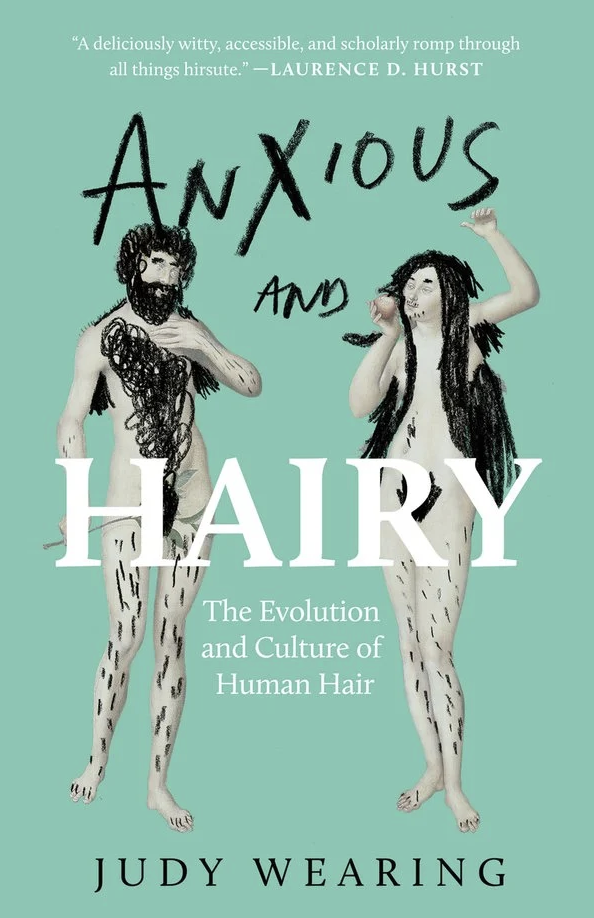
Anxious and Hairy: The Evolution and Culture of Human Hair, Judy Wearing
You want a cultural history of body hair to have a sense of humor, and Judy Wearing’s exploration of the history, aesthetics, social hang-ups, and science of body hair understands the inherent funniness of her topic while also taking it seriously. Anxious and Hairy, at once personal and universal, is a gift to curious minds. Perfect for lovers of a nonfictional romp.
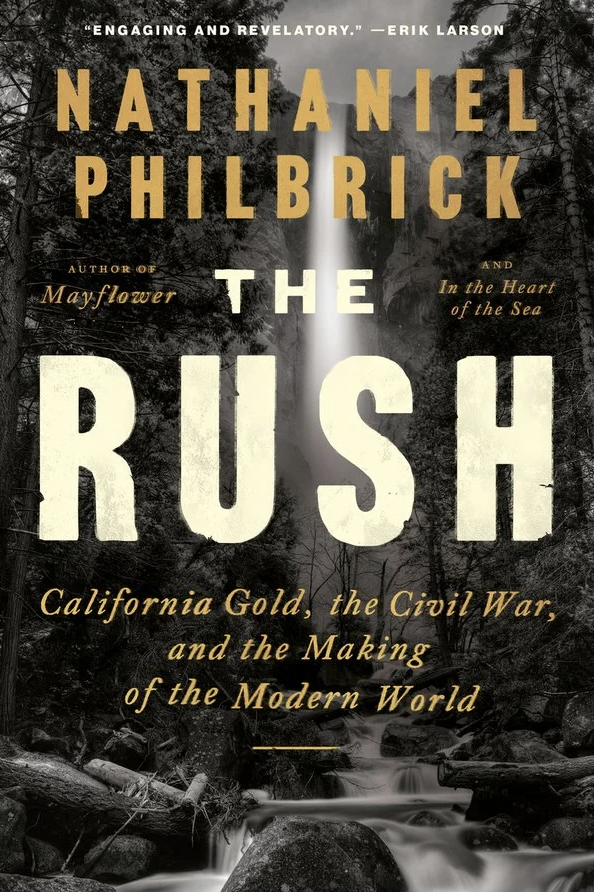
The Rush: California Gold, the Civil War, and the Making of the Modern World, Nathaniel Philbrick
Nathaniel Philbrick is a master of historical nonfiction that moves with the ease of a novel, and the California Gold Rush serves as a perfect showcase for his talents. He has a knack for spotting vivid, memorable figures and striking details (as he demonstrated in In the Heart of the Sea with precise, stomach-turning clarity about dehydration). In this work, Philbrick persuasively argues that the Gold Rush helps explain much of what America became, for better and for worse.
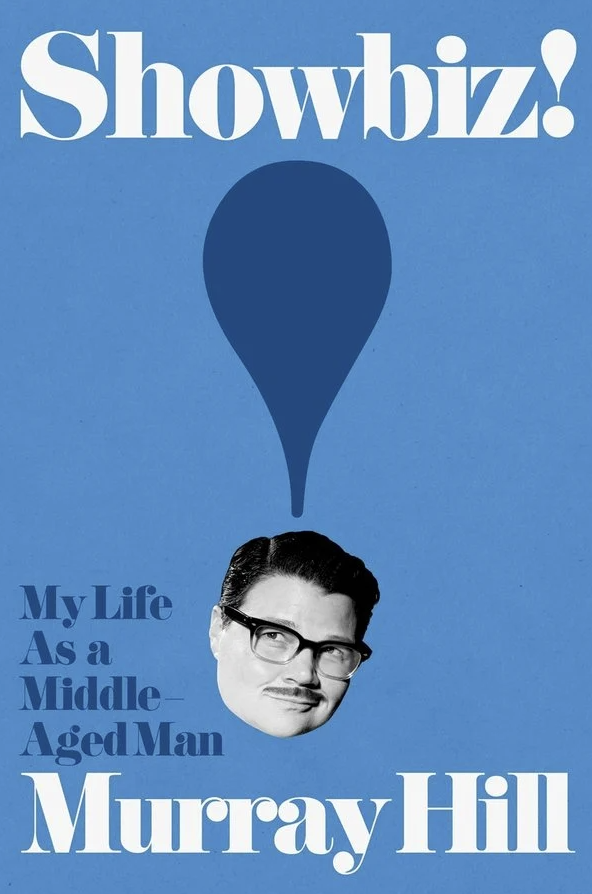
Showbiz! My Life as a Middle-Aged Man, Murray Hill
Murray Hill is a staple of New York’s cabaret and comedy nightlife, anchoring a scene around Joe’s Pub, and he also starred in one of the warmest, most humorous shows of recent memory, Somebody Somewhere. Given that track record, it’s easy to trust that this memoir will be filled with stories worth sharing. If you crave a memoir told with the charm of a showman about an unconventional career path, this one’s for you.
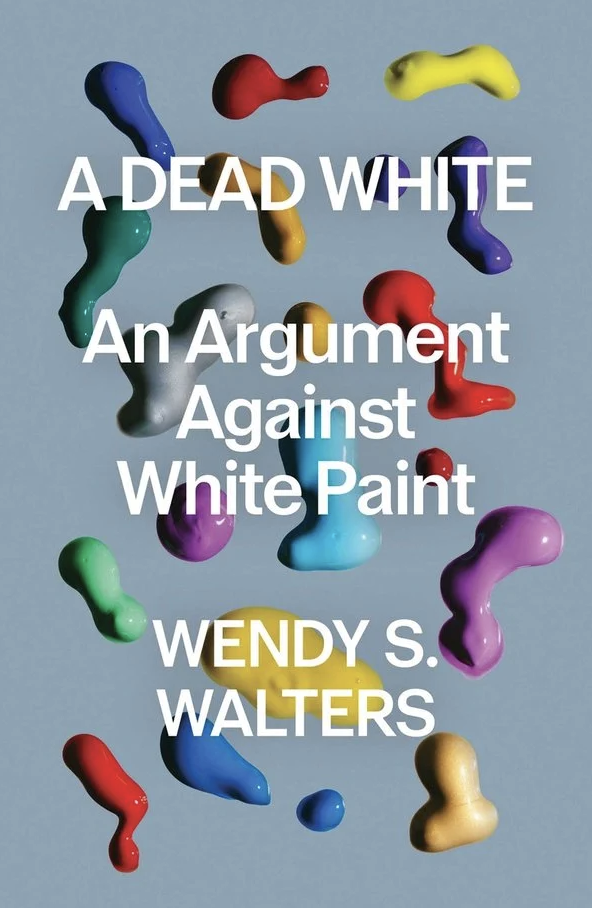
A Dead White, Wendy S. Walters
Wendy S. Walters ranks among the best—and quirkiest—living essayists today: a true master of turning writing into thinking. Her 2015 collection Multiply/Divide harks back to the continental feuilleton tradition (think Joseph Roth), a mode of impressionistic observation that can be both broadly political and deeply intimate. In Walters’ deft hands, the personal and the political never stay apart for long.
And now, with A Dead White, we really glimpse the world through Walters’s lens, focusing on its vast white expanses (not the country clubs or the Cracker Barrels). One day, while dropping her son off at school, Walters began noticing how pervasive white paint is in our lives—and once she started, she couldn’t stop. As she notes in A Dead White (a work that sits between a monograph and a single-subject essay collection), the ubiquity of white paint in every space—public and private—reveals far more about our value systems than we typically admit, about passive choices and misguided hopes for a neutral, self-serving “neutrality.” You’ll never view a white wall the same way again.
The Last Best Place on the Internet: A Human History of Wikipedia, Richard Cooke
If you’re old enough to remember a time when citing Wikipedia as a source was the pinnacle of laziness, and you’ve since come to regard it as an indispensable, almost cheerful tool, a force for good in a very imperfect space, you’ll likely need no convincing to look forward to this book. Richard Cooke investigates Wikipedia’s origins and inner mechanics, making a case for its enormous importance—perhaps greater than even its most devoted users fully appreciate.
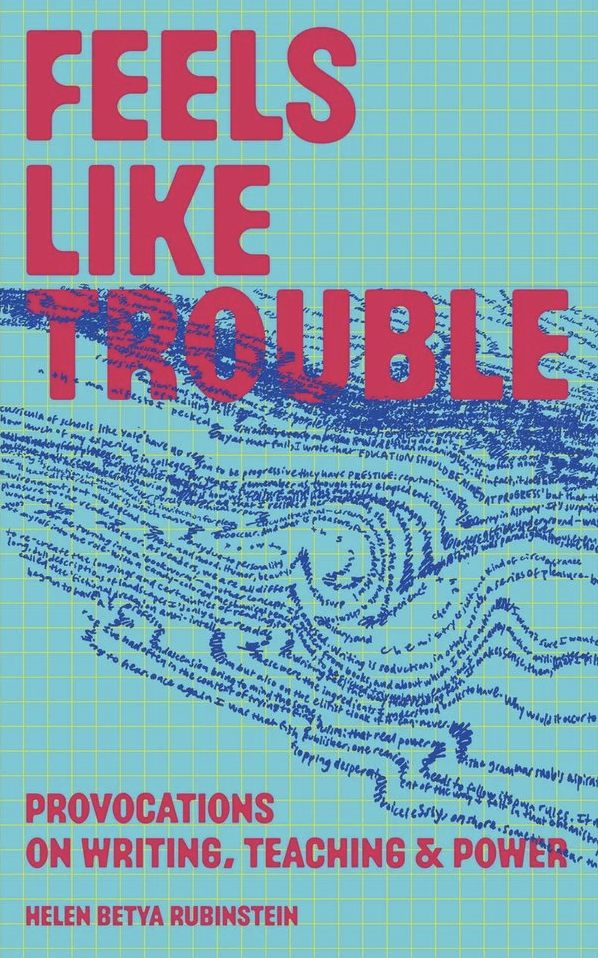
Feels Like Trouble: Provocations on Writing, Teaching & Power, Helen Betya Rubinstein
At a moment when writing faces disruption from multiple directions, it’s tempting to circle the wagons and silence dissent from within. Yet Feels Like Trouble offers a powerful reminder that dissent can energize a craft. Rubinstein probes the agreed-upon frameworks we adopt as writers and students (think of the familiar “compliment sandwich” in workshops). While the book’s subtitle foregrounds “Provocations,” her arguments are deeply considered, persuasive, and, even when you disagree, genuinely enjoyable to read.