
Gliding across the bay at this hour reveals Shep’s Island in its most striking beauty. The light of the setting sun flings sparks across the water in every direction. On this night, the air feels charged with electricity. The sea runs deep here along Maine’s coast. The air is bitterly cold and dark beneath the shimmer on the surface. The wind bites into the skin. Seabirds rise and glide, unruly and fluttering, then veer off. They glance back, beak over wing, as if bidding farewell. The ferry pushes forward, and Shep’s emerges on the horizon. The smallest island of the chain, it is the third stop on the ferry. Its outline blurs against the skyline. But drawing nearer, a line of trees comes into sharper focus, leaning forward, inviting travelers, bent by the Atlantic winds.
Once there was a generous, long beach on the island’s east side—a stretch of fine sand framed by colossal boulders on either end. Yet with each passing year, the sea encroaches a bit more and the island diminishes still. That grand beach has vanished. Only the oldest inhabitants recall it. In its place lies a slender belt of pebbled shore. The half-submerged rocks remain visible beyond the breaking waves. Crabs, mussels, ancient insects, fragments of seaweed, and tiny minnows accumulate, then become stranded, in the cracks and hollows atop those great stones. The tides rinse them clean at high tide. Other losses have followed: empty wooden houses left to rot and rust, to be swallowed by the forest; docks that toppled into shallow water and lying sideways like a spine of a sea creature left to bleach in the sun. The sea and wind keep gnawing away at the place. Those who remain live close to the island’s heart, tucked among the narrow looping roads, inland, shielded by tall pines, at least a mile from the ocean and its potential ruin.
The road that heads inland sinks into trees. It feels like rain: wind picking up, air prickling the skin. Near the center, halfway between Sunrise Beach and Sunset Cove, sits the McCauley residence—a small wooden house in need of paint; a large barn, a flower garden, a kitchen garden as well. A meadow along the side, evergreens towering above, ferns blanketing their trunks.
That night finds a woman inside the house, newly bereaved, alone except for her young son, asleep upstairs. She moved here from away and married one of the McCauley twins. The islanders all know the story, how it began with scandal and settled into a life. She sits in the kitchen, and soon the moon lights up the room in flashes, siren-like; she is shivering with cold; she’s in shock. She won’t sleep tonight: She’s waiting for the morning, which will bring with it not only the sun’s warmth, but her husband’s funeral and, finally, the return of his brother.
The trees begin to sway. They begin to groan, their limbs scratch and creak against one another. Shutters bang, screen doors slam; the wind whips them all into a frenzy. A hush falls, silence hangs in the air, suspended like a confession. And then the rain begins. It hits the roof with a bang. It lashes the windows and pours down the screens in thick, dark waterfalls.
In the morning, just as dawn’s light spreads across the island, Lea McCauley finally closes her eyes. She is asleep when her son comes downstairs. He doesn’t breathe, counting slowly as he crosses the room, footsteps light as a cat’s. It’s something he’s only just begun doing, counting how many seconds he can hold his breath. When he gets to fifteen, he climbs up next to her on the couch. He folds the front of his small body up against the warmth of her back. Soon he is sleeping too.
By the time they wake up, the room is bright. It is midmorning. Lea’s face is pressed against the back of the couch. In the first moments of waking, she doesn’t remember that her husband is dead. Emerging from sleep, her mind retreats to the before-time. She reaches back and wraps her arm around her son’s waist and hugs him to her. The door opens slowly, and before she can stop him, he is off the couch and running toward the man who has stepped inside the kitchen. “Daddy!” he yells. “You came back!” and Lea is launching herself toward them, “No, Son, no!”
Her boy wavers at the threshold, suddenly uncertain. Lea calls him back to her side.
Even now, after all these years, the resemblance is overwhelming. This man could be her husband, standing there in the kitchen.
“Lea,” he whispers. He takes a step forward, then he reaches for her.
__________________________________
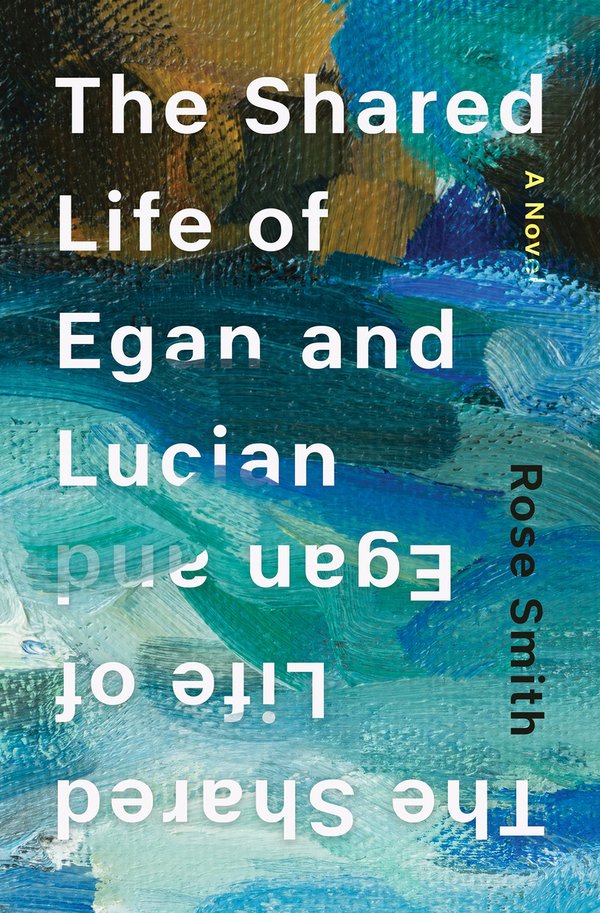
From The Shared Life of Egan and Lucian by Rose Smith. Used with permission of the publisher, Hawthorne Books. Copyright © 2026.
