
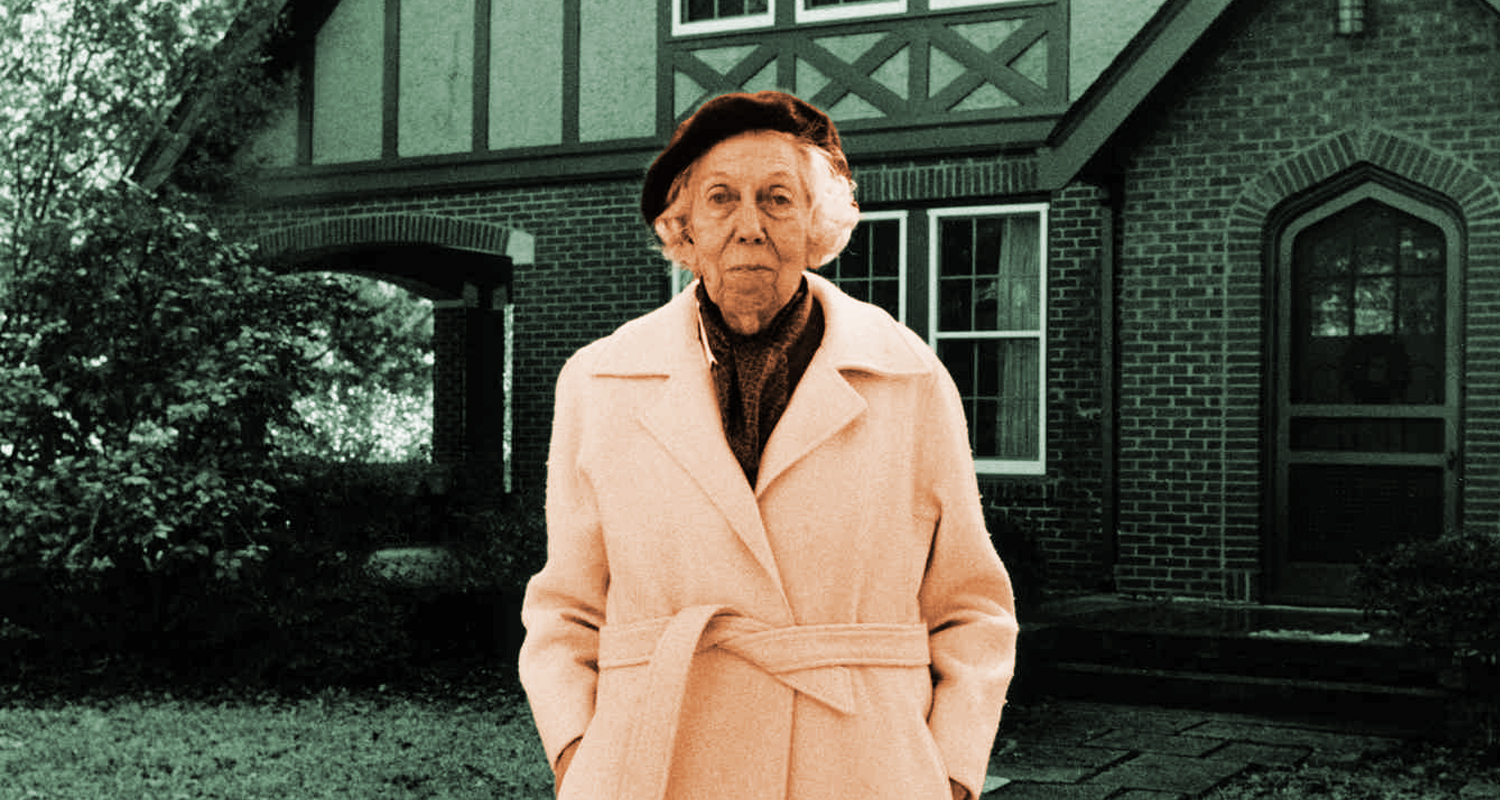
The following is from These Long Shadows: Women’s House Museums in the American South by Monica Nelson.
Eudora Welty
Writer
1909-2001
Jackson, Mississippi
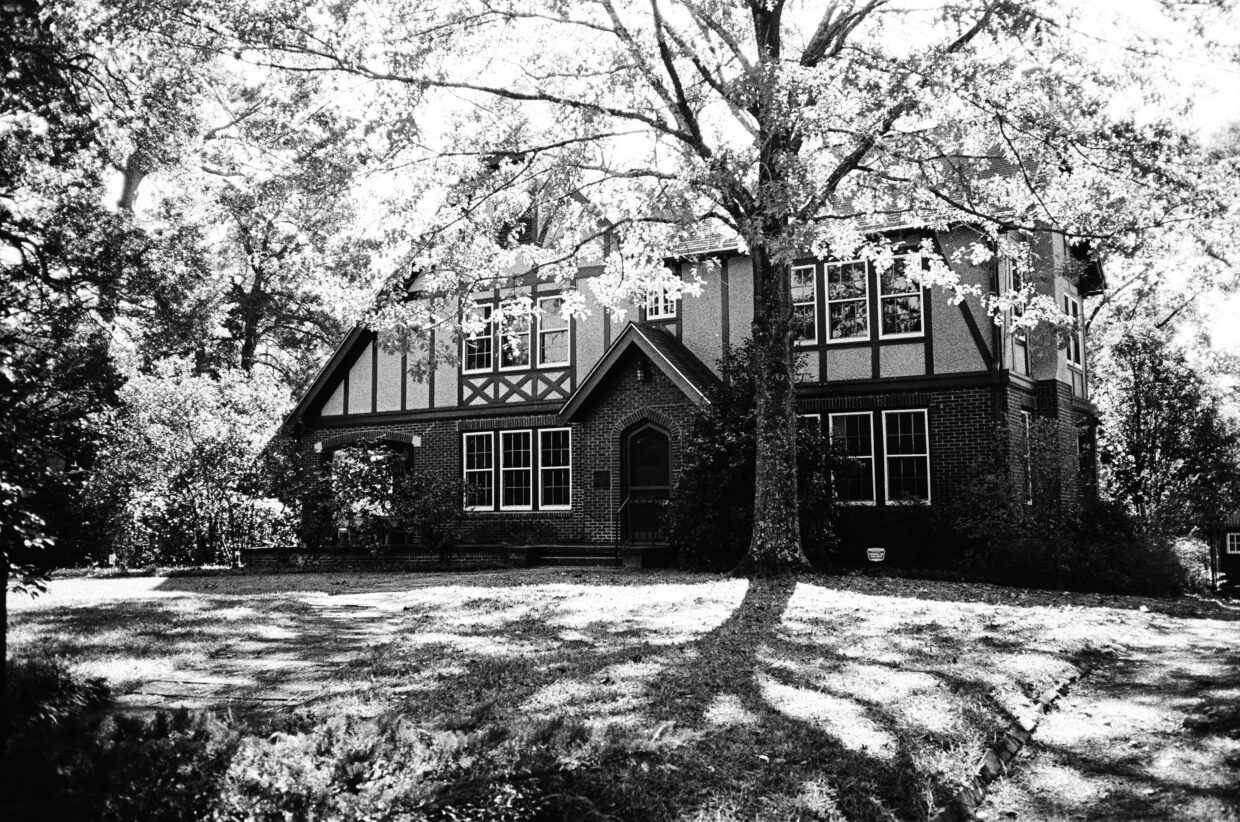
House Name: Eudora Welty House
Construction: Built in 1925
Architect: Wyatt C, Hedrick
Landmarked: 2002
Open To Public: 2006
Primary Function: Literary tourism
Address: 1119 Pinehurst St., Jackson, MS 39202
*
When she passed away, The Eudora Welty House and Garden was arranged to resemble exactly how Eudora inhabited it in 1986. Her books, paintings, linens, and furnishings remained untouched, giving the space a sense of being momentarily suspended in time. Welty was a novelist and photographer whose primary focus was the American South. Born in Jackson, Mississippi, she returned there in 1931 after facing financial struggles in New York City. She moved back into the childhood home and wrote in the upstairs bedroom. Welty won the Pulitzer Prize in 1973 for The Optimist’s Daughter and was later honored with both the Presidential Medal of Freedom and the Order of the South. Through her writing, she used metaphorical lenses to illuminate injustices and racial disparities in the South, notably in her short story “Where Is the Voice Coming From?” published in The New Yorker. The narrative adopts the viewpoint of a White Southern man and addresses a crime akin to Medgar Evers’ 1963 assassination.
Don’t Take Life Too Cereus
My shadow threads its way across the pavement and into the pale gray stone of the Mississippi Department of History and Archives. After a five-day Southern journey without sun, I arrive in Jackson, where a sudden beam of light cuts through the chill, spotlighting the city. Inside the archives, I retrieve my bag, and my day begins to unfold in reverse: Medgar Evers’s house bathed in the late-afternoon red-brown glare; a permanent exhibit outside the residence labeling it “A Site of Tragedy,” with photographs of the crime scene—one image showing two hands parting a white curtain to reveal the bullet wound in the doorway; a long exploration of Eudora Welty’s photography, boxes of loose black-and-white photos, and Mississippi as seen through her lens; an early-morning drive to Jackson to view her preserved home, a sanctuary filled with books—the archive of a life lived in print and pages.
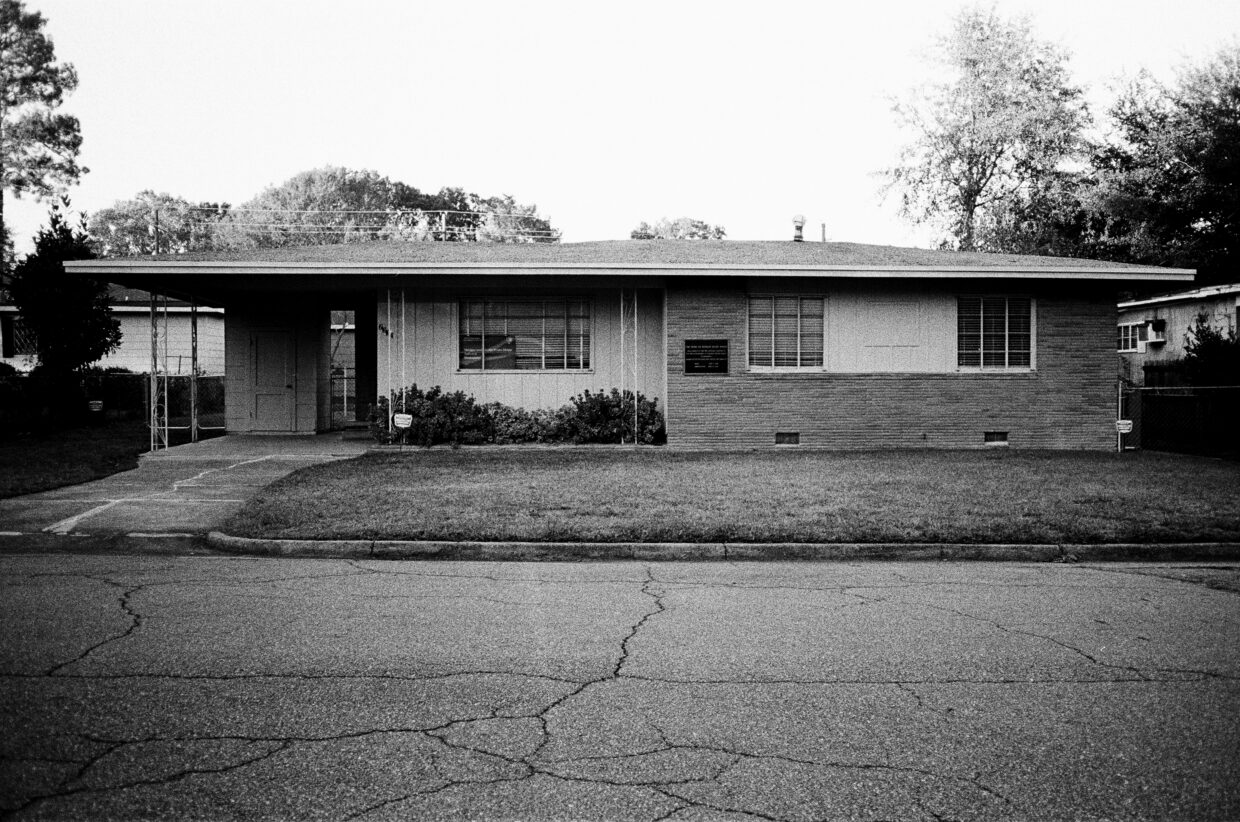
Eudora lived most of her life in Jackson, Mississippi, aside from a twelve-year period spent studying in Wisconsin and New York. The Tudor Revival-style residence that now welcomes visitors in her memory was her home for nearly all of the remaining years of her life. It is regarded as one of the most substantial writers’ homes in the United States, representing an authentic depiction of a working author’s life. Everything from paintings and rugs to furniture, drapes, and particularly her books has been preserved. In One Writer’s Beginnings, Eudora described the house’s purpose as a place where “any room, at any hour, was there to read in, or to be read to.” Her parents held books in the highest regard, and the concept of a home library was a privilege and a joy, enabling them to explore worlds beyond Mississippi.
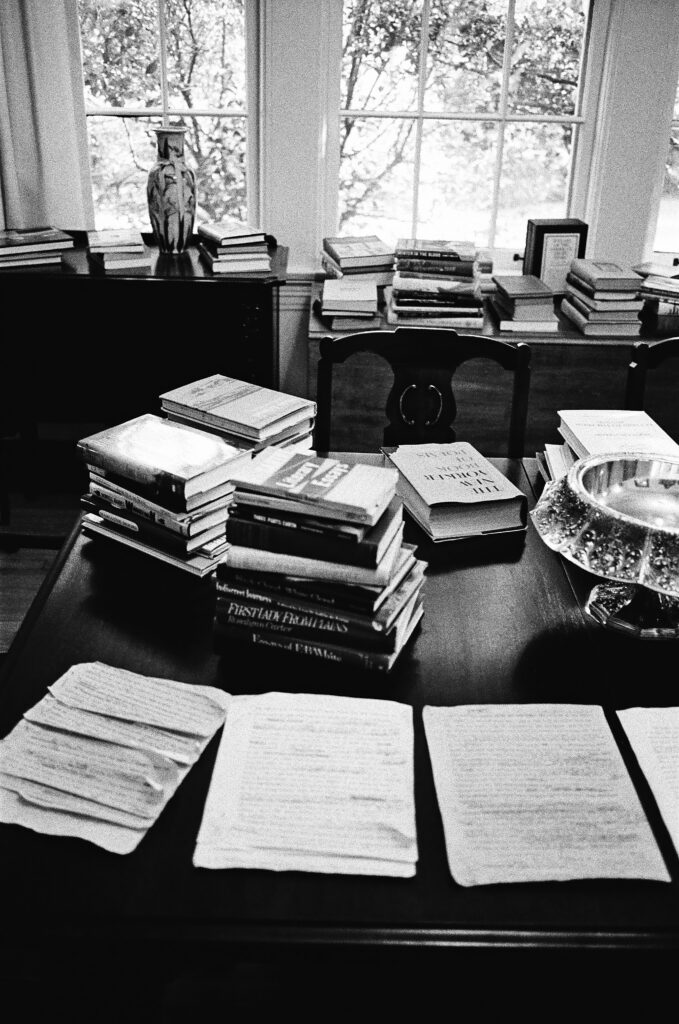
The most striking aspect of the house today is the sheer abundance of books that cover almost every surface. They cover couches, spill across beds, pile up on tabletops, and lie open in the breakfast nook—appearing as if she had just risen and left a trail of volumes in her wake. When the site became a museum, directors sought to recreate the living memory of a home “overwhelmed with books.”
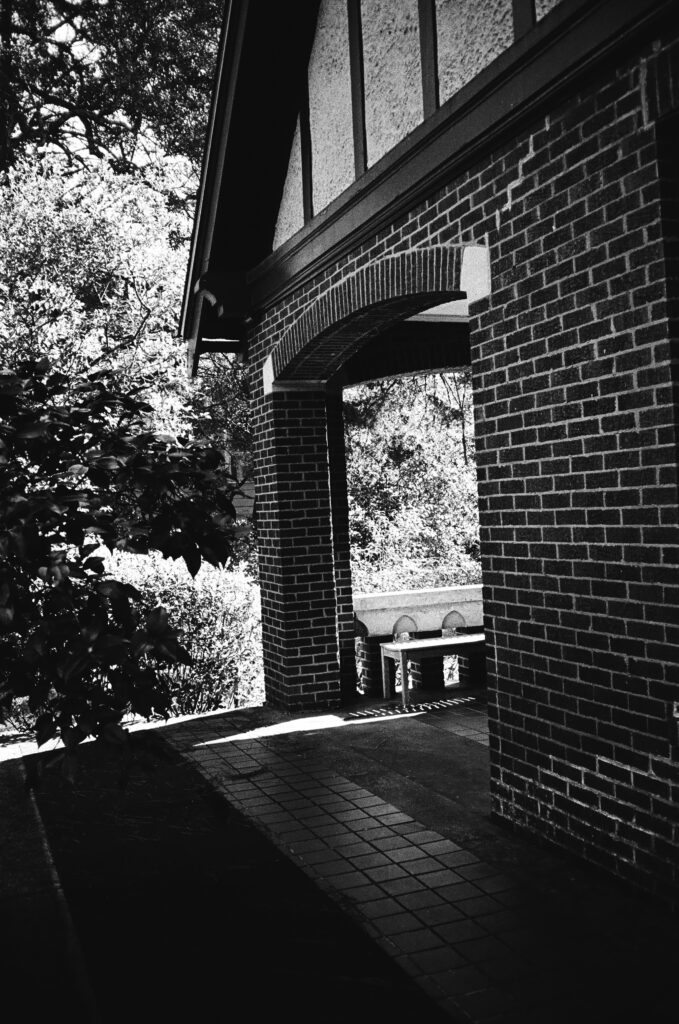
“Let’s pause a moment to admire the camellias today,” says Jessica Russell, director of the Eudora Welty Foundation, as she gestures toward a window in the dining room. Beyond the glass, the table is piled with books, while light glints on white camellias that press against the glass. Inside the window, a biography of Yeats and a volume about Monticello sit atop the stack.
Her stories invite readers to dissolve into a specific moment, to inhabit a precise image of Mississippi.
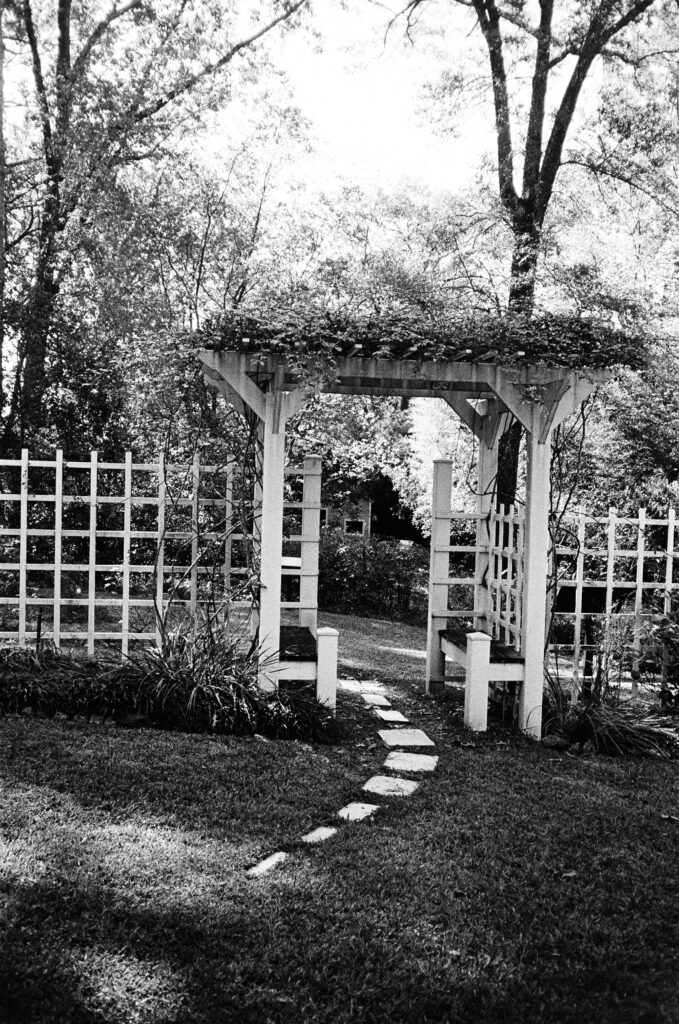
Gardens and nature mattered deeply to Eudora in Jackson. She would linger on the side porch as blossoms crept in, exchanging conversations with friends. She even founded the Night-blooming Cereus Club, whose motto was “Don’t take it cereus. Life’s too mysterious.” The plant’s strong fragrance blooms briefly at night in midsummer, and she once described its appearance as resembling “a wrung chicken’s neck.” The club convened in the moment the flower opened.
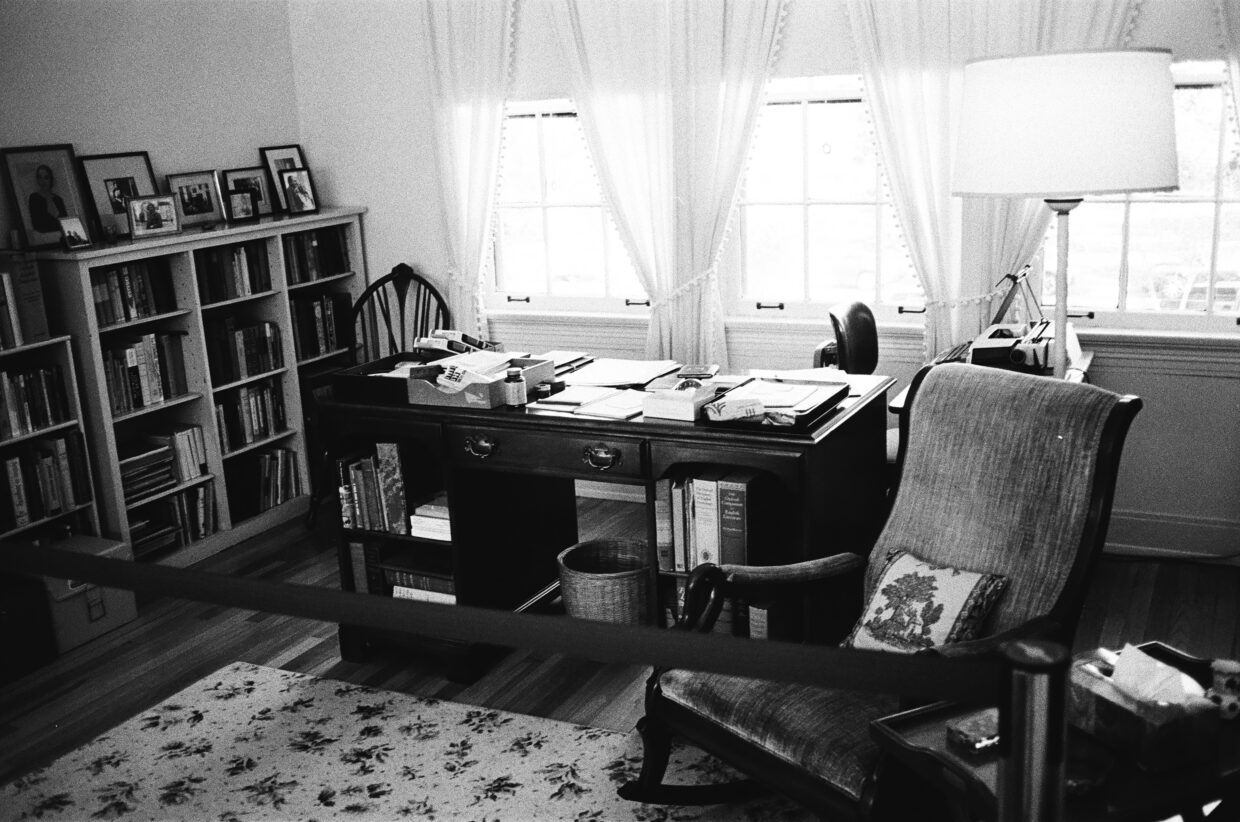
Eudora wrote upstairs at a desk facing three windows that overlooked the front lawn. Neighbors reportedly looked in to see whether she was there, and she often was. The large wooden desk is framed by a robin’s-egg-blue bookcase and an antique cabinet perched on tall, spindly legs, its doors flipped open to reveal narrow slots for paperwork. Photographs of Eudora line her bed, suggesting moments when she paused to read or to continue drafting her work before returning to the desk.
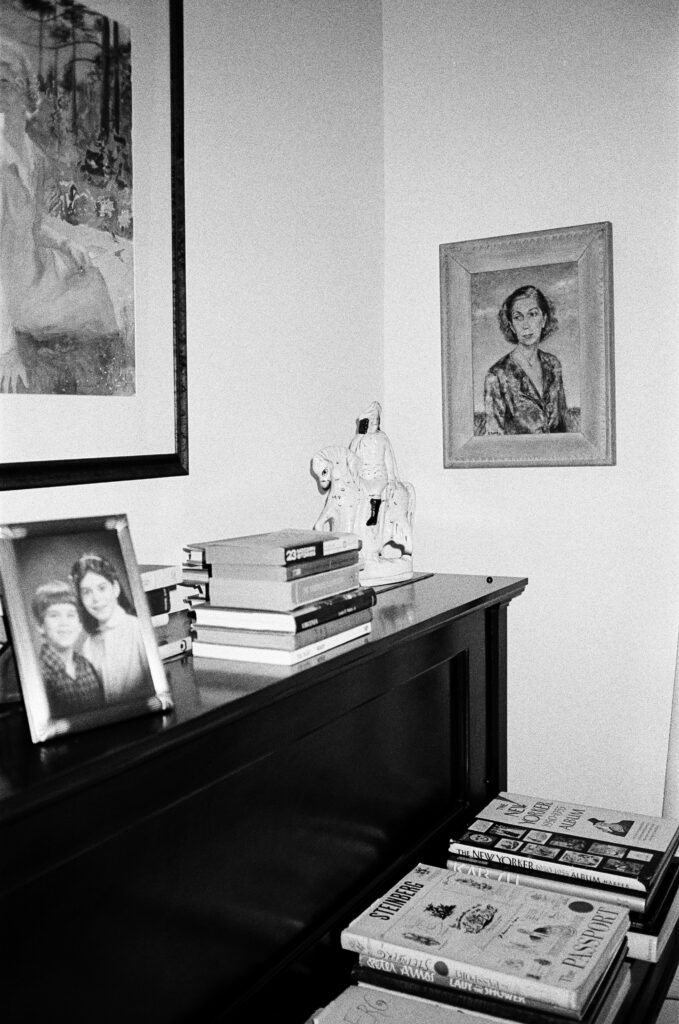
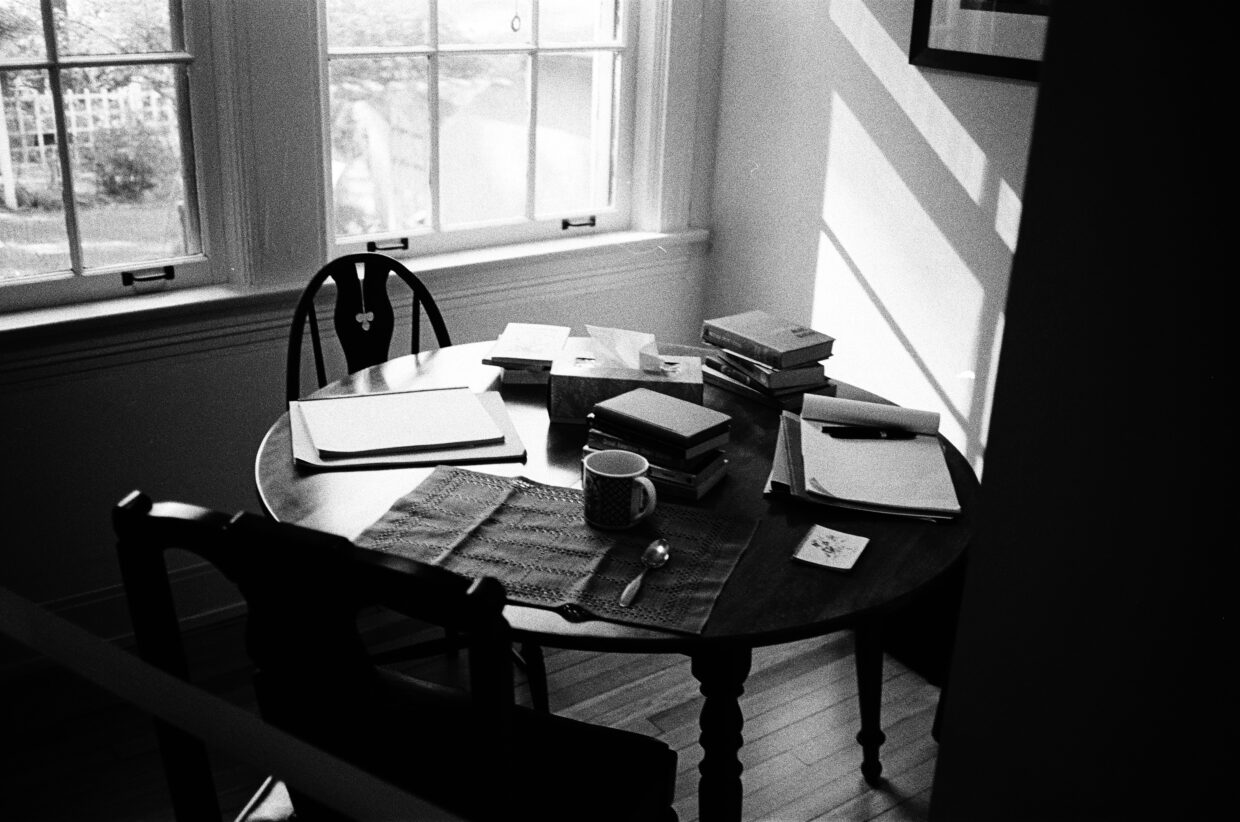
The residence is arranged to illuminate Eudora engaging in everyday tasks, especially reading. One can imagine her in the kitchen preparing a simple meal or pouring a neat drink. A small alcove beside the kitchen becomes a breakfast nook, with the garden trellis visible through the window and a sheet of blank paper and a pen resting beside a woven placemat and a mug, while two stacks of books await her attention.
“She embodies the South in the same way Chekhov embodies Russia, because place provides a tangible reality—one that is as elusive, intricate, and fleeting as life itself,” observed novelist Maureen Howard, noting how precisely Eudora captures the spirit of her homeland. Her stories invite readers to dissolve into a single moment, a vividly drawn image of Mississippi.
Eudora crafted works in voices, with dialogue at the core of her writing. Her novella The Ponder Heart, about a man who gives away his fortune, buys ice cream for all in town, and stands accused of murder, played on Broadway in 1956. Lorrie Moore later highlighted this in a New York Review of Books essay, pointing to lines like “Edna Earle could sit and ponder all day on how the little tail of the ‘C’ found its way through the ‘L’ in a Coca-Cola sign,” which capture Eudora’s sharp wit.
Before she published her first story, Eudora worked as a photographer for the Works Progress Administration. In the early 1930s, she roamed the state with her camera, capturing how the Depression affected the region. Some of those photographs later inspired her stories, shaping a perspective that looked outward rather than inward—she believed a writer must “see everything, then choose what to reveal, and when to reveal it.” She once described her approach as seeing images first, then turning them into writing.
Her photographs reveal life in motion: a baby on a houseboat deck along the Mississippi, groups of women and girls in handmade bird costumes, a woman peering into a post office (which later inspired “Why I Live at the P.O.”), African American girls with flowers, a white boy and a Black boy playing with a toy gun, a church revival, zoo scenes, cats and porches, and a crowd of boys perched atop a train car. They also expose the past—renderings of antebellum Mississippi at the Natchez Pilgrimage, sharecroppers, abandoned plantations—and even Eudora’s own presence casting a shadow along a path toward the remains of a Greek Revival mansion. In One Writer’s Beginnings, she wrote:
I learned through doing how ready I had to be. Life doesn’t pause. A good snapshot captures a moment that might slip away. Photography taught me that to seize transience, one must be prepared to click at the precise moment; a photograph of people in various situations taught me that every emotion waits for its cue, and I had to be ready to recognize that moment when I glimpsed it.
Eudora didn’t view her photography as social documentation, drawing a clear line that it wasn’t meant to wield political influence. She explained, “Poverty in Mississippi, white and Black, wasn’t merely tied to the Depression. It had long existed. I photographed our poverty because it was reality, and I was recording it.”
Family and colleagues played a central role in Eudora’s life. In a conversation with Alice Walker, the author of The Color Purple, Walker asked if Eudora ever regretted not marrying or having children. She replied that she did have regrets and would have welcomed such a life, adding that more experiences were preferable to fewer. Eudora cared for her mother as her health declined and also looked after her brother Walter’s two daughters when he fell ill with severe arthritis and passed away in 1959.
During the period following Medgar Evers’s assassination—on the same street where Margaret Walker lived—the two women became acquainted. The house occupied by Evers has since been preserved as a historic site, commemorating his death early on June 12, 1963, not long after Kennedy’s civil rights address. Evers carried a stack of shirts bearing the slogan “Jim Crow must go,” and was shot in the back, then discovered by his wife Myrlie Evers. The residence is now listed at 2332 Margaret Walker Alexander Drive.
The friendship between Margaret Walker and Welty grew with time. Margaret once observed: “If you asked Miss Welty about her views on race, she would say she writes about people, not philosophies. That is the essence of greatness—the writer’s focus on the human condition. Welty treats race as a facet of humanity, prioritizing the human spirit above all.”
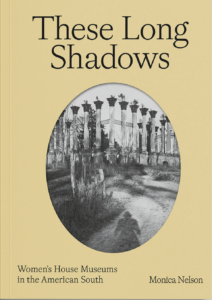
On the cover of this volume you can glimpse the ruins of the Windsor Plantation’s antebellum mansion. A late-afternoon sun glows behind Eudora’s outline, casting her shadow across the uneven grass along a path toward the ruin’s Corinthian columns. In her shade, one might imagine the Rolleiflex in her hands, and picture her journey through rural Mississippi, collecting fleeting moments of life and fragments of history that endure in the present.
The twenty-three columns that remain were once part of the grandest antebellum Greek Revival mansion in the state. The original dwelling was erected by William Smith Coffee Daniell II, a landowner whose holdings spanned more than 21,000 acres. In a 1992 National Register of Historic Places nomination, the property was described as staying in the Daniell family until February 17, 1890, when a fire, started by a guest’s cigarette embers dropped into construction debris on the third floor, consumed the house, leaving only a few pieces of bone china and the structural elements—columns, balustrades, and iron stairs. Some stairs and balustrades were relocated to the chapel at nearby Alcorn College. Today the site draws visitors and stands as a memorial to the past, to slavery’s history, and to the wealth generated by Mississippi’s cotton economy.
The 1942 photograph of Eudora’s shadow crossing the Southern landscape marks a moment that has been revisited repeatedly since.
_______________________________
From These Long Shadows: Women’s House Museums in the American South by Monica Nelson. Copyright © 2026. Available from Atelier Éditions.
