
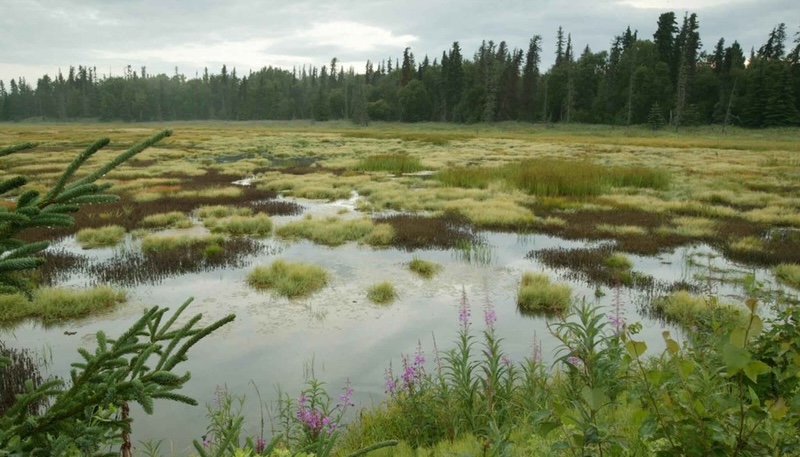
Bogs are trending right now. Fashion houses are treating peat as a material for couture, and memes on social apps even offer guidance for choosing your bog witch name. Across the globe, authors who have found broad readership are drawing on wetlands for creative fuel.
The bog, along with its cousins the swamp and the marsh, has long held a niche within popular culture, yet these landscapes are suddenly appealing to a wider audience. I suspect it has something to do with the allure of these spaces. In a era marked by fragile democracies and an overflow of AI noise, there’s a certain seduction in the notion of retreating to a wild, perilous place where you can’t be followed—because you’ll be submerged to the neckline.
While I wouldn’t urge anyone to actually dive into a bog, I’ve done a lot of bog-related reading recently. Since my novel Bog Queen was published (and is now available in paperback), I haven’t managed to leave bogs behind, and I haven’t needed to, given the bog-leaning literature surge that’s taken hold. The selections below will sate your bog-witch cravings, while also reminding us of the real-world significance of bogs as bulwarks against climate change, cradles of biodiversity, and guardians of ancestral memory.
*
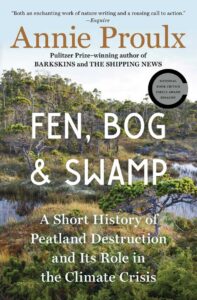
Fen, Bog, and Swamp: A Short History of Peatland Destruction and Its Role in the Climate Crisis by Annie Proulx
Interested in distinguishing a fen from a bog or a swamp? Do you want to learn from Pulitzer Prize–winning Annie Proulx, renowned for conjuring landscapes from Newfoundland to Wyoming? If so, steel yourself: as she approaches her ninth decade, she’s hardly shy about how humans have managed the world’s wetlands. May her fury and disillusionment spark something in you.
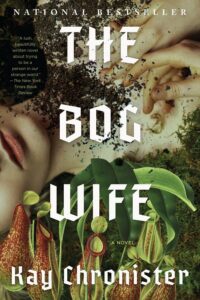
The Bog Wife by Kay Chronister
A haunting tale that seems to unfold across time and beyond it, The Bog Wife has already become a touchstone in the contemporary bog-core canon. This narrative about a West Virginia family with a peculiar tradition carries echoes of Edward Gorey and Rebecca, yet Chronister crafts an entirely original world, its mossy darkness punctuated by bright moments of humor.
North by Seamus Heaney
This volume gathers four of Heaney’s celebrated bog poems, inspired by Iron Age remains preserved in Irish peat—and shaped by the scholarship of archaeologist P.V. Glob. My feelings about these poems are nuanced; I’m not fond of “Bog Queen,” which sparked the title of my own book. Still, I’m drawn to “The Grauballe Man,” admired for its powerful imagery and metaphor: “As if he had been poured/ in tar, he lies/ on a pillow of turf/ and seems to weep/ the black river of himself.”
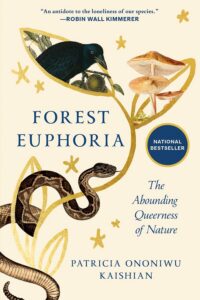
Forest Euphoria: The Abounding Queerness of Nature by Patricia Ononiwu Kaishian
If, after exploring bogs, you find yourself hungry for more about swamps and other wetlands, turn to Forest Euphoria. In this ode to New York state’s landscapes, Kaishian reveals the kaleidoscopic diversity of gender and sexuality across plant, fungal, and animal realms. Forest Euphoria offers practical guidance for inhabiting nature and also delivers astonishing facts about eels.
Second Place by Rachel Cusk
In Cusk’s first novel after the Outline trilogy, a woman invites an artist to stay at her marsh-side home, and the unraveling begins. This book divides readers among Cusk enthusiasts. I, personally, adore it, particularly for its watery, marginal setting.
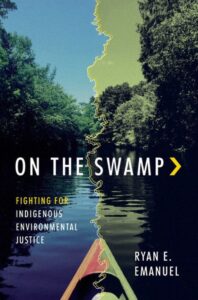
On the Swamp: Fighting for Indigenous Environmental Justice by Ryan Emanuel
A Lumbee hydrologist and Duke University professor, Emanuel traces the history of Robeson County, North Carolina, through its waters and wetlands. The county’s aquatic ecosystems cradle the Indigenous Lumbee people and are inseparably linked to their identity, yet they face ongoing threats from factory farming, oil extraction, and reckless development. Reading about Iron Age bog bodies pushed me to reflect on the ethics of archaeology surrounding human burials; Emanuel’s account of Lumbee burial mounds desecrated by settler researchers is a reminder that scientific progress has too often served as a pretext for the theft and destruction of Indigenous remains.
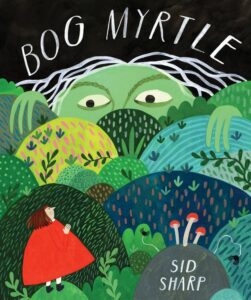
Bog Myrtle by Sid Sharp
A picture book for bog enthusiasts of all ages, Bog Myrtle follows two sisters with very different approaches to nature and life. When Beatrice, the gentler sister, knits a magical cardigan from spider silk, they embark on a journey with unexpected lessons about conservation and labor relations. The tale is elevated by its quirky and beautiful illustrations of spiders on strike, forest creatures both real and fantastical, and a bog that is always, always watching.
______________________________
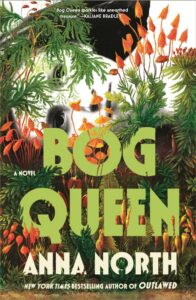
Bog Queen by Anna North is now available in paperback from Bloomsbury Publishing.
