
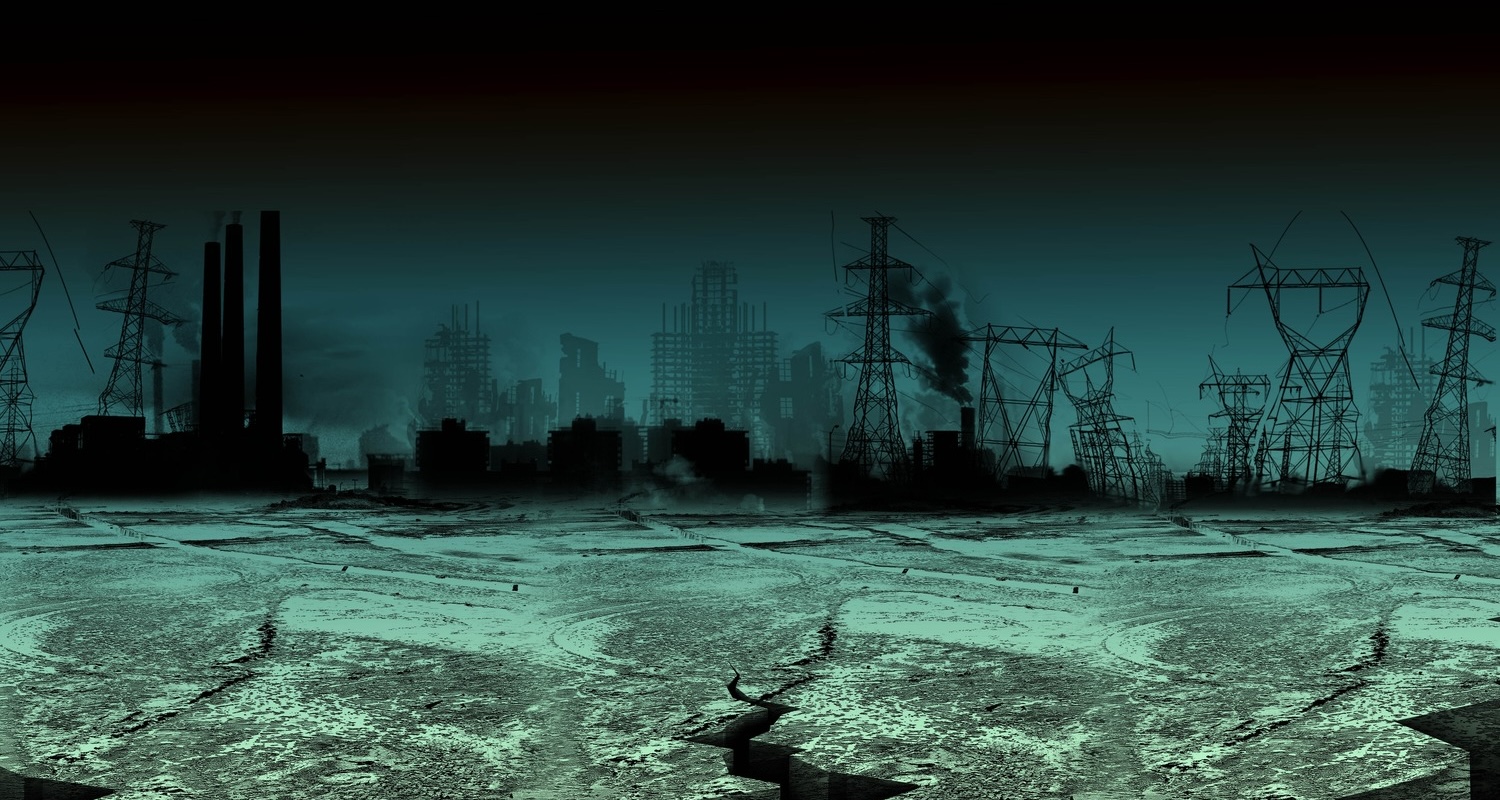
As the world around us seems to be falling apart under the weight of division and human suffering, there arises a peculiar sense of liberation in imagining total ruin. Deadly plagues, the advance of the undead, and the collapse of society aren’t exactly friendly to the traditional comforts of cozy romances, fantasies, or historical sagas, yet I firmly believe that post-apocalyptic fiction functions as both a form of escape and a stark warning. Recently, I have come to value fiction that dismantles everything in sight, even if only within the bounds of a page.
Escapist fiction tends to envelop readers in alternate realities, trading the harshness of everyday life for the “what ifs” that momentarily distract. If a reader can exhale with relief by time-jumping backward or being swept away by alluring fairies, why not a full reset, achieved through catastrophe, if only in imagination? A world reduced to a handful of survivors makes intimacy inevitable—share a bed to stay warm, seize a gleaming trinket, and claim it as long as you can. The prospect of a clean slate—no taxes, no bills, no workplace quarrels, no school rituals, or endless phone calls to insurers—tempts like a tempting, level-up reward. True, such a promise erases healthcare and education along with other benefits, yet I’m not convinced those services would magically reappear in any fairy-tale realm either. This isn’t to diminish these genres or to entertain the notion that escapist fiction is unsophisticated or trivial. The path to every great story lies in bridging what exists with what could become.
I am convinced that post-apocalyptic stories are as much escapist fiction as they are tales of warning.
Setting aside the sense of liberation that post-apocalyptic reading can offer (a question open for debate), the act of writing in that vein has felt like a breath of fresh air. When your characters lack the option to solve problems with a search engine or a quick phone call, their troubles unfold in more intriguing ways. Likewise, I’ve moved away from the writer’s productivity trap—the endless hunt for irrelevant details. During the years when I cared for my special-needs son, long before he could articulate his needs and endured near-constant meltdowns and mental-health crises, I wandered into that trap, writing a lot of escapist fantasy—fairy-tale quests and heroic arcs that I hoped would widen my mental horizon beyond the sterile, isolating routine of my life. Since abandoning those early, “first pancake on the griddle” books in favor of an apocalyptic canvas, I no longer bother memorizing the names of the trees in Chapter One or forcing my characters to master engines unless their apocalypse has already armed them with that knowledge. If these wretched beings can’t Google their way out of trouble, neither can their author.
After years of grappling with his mental and physical health, I reached a moment that felt like the end of the world when my remarkable six-year-old began to voice a wish that he were not alive. That moment marked the start of a new era—every source of support, every medical assessment and intervention, and every specialist I could persuade to see us—open and necessary, though many would not come. It meant constant vigilance, becoming my son’s shadow during his most vulnerable meltdowns and dysregulations. Our world contracted to the size of our home, a place we rarely left, a space far too small to hold the intensity of his pain, anxiety, and fear. For him, the world was a lonely, frightening place.
Meanwhile, the world beyond us appeared to darken as well. My habit of skipping the news began as a way to avoid missing out but gradually became a shield against the mounting terrors outside our door. With so many people suffering, it felt like a hopeless, inverted puzzle, a nested Matryoshka of pain, with us buried too deep to lend a hand. So I wrote fiction. I gave it my best shot, though I can’t claim that traditional escapist tales pierced the darkness. They glowed too brightly, too insistently focused on a positivity that felt as useless as stuffing my ears to hum away reality.
I began writing the suffering in the way I had lived it, through the lens of everything falling apart but not having the option, as a parent, to let it.
What eventually moved me to wreck the world—the way I chose to do it—was watching my son chart a path forward. As the framework of supports gradually produced changes, his communication improved, and I found a chance to release the tight grip my nerves had on my pulse, if only because his growing fascination with all things macabre blossomed. His humor remained dry and dark, and the existential ways in which he adopted his newfound language continually astonished me. He once told me that Grandpa’s house felt as distant as letting go of a balloon. He carried a sober, introspective view, convinced that bad things would happen. When he was asked to lead a family game of Simon Says, he paused, sighed, and calmly declared, “Simon Says panic.” While I initially feared that he might be slipping into deeper suffering, I gradually understood that he had confronted more hardship than many people twice his age, seeking to comprehend the darkness in order to illuminate it. He became a thoughtful, wonderful child who, despite never being invited to a birthday party, noticed when classmates were unwell and sent them cards of well wishes. He turned the things that terrified him into friends, going to sleep with stuffed versions of horror creatures and doodling bloody vampires in the corners of his sketchbooks. He felt for these characters, not as ominous warnings but as fellow misfits who deserved love and connection.
Instead of crafting sweet, “what if” fantasies, I chose to depict the suffering as I had lived it—through the lens of collapse and the conviction, as a parent, that I could not let it win. When I wrote about surviving through change and loss, I discovered that light arrives unbidden. It isn’t added from outside; it has always existed within us. We recognize the pain of loss because we love. Tales of ruin and renewal reveal what truly matters by inviting readers to travel through the dark, hidden places we fear. Perhaps the most poignant truth at the heart of post-apocalyptic fiction is its blunt message: every person matters, and we too often fail to realize what we need to protect until it’s gone.
_______________________________
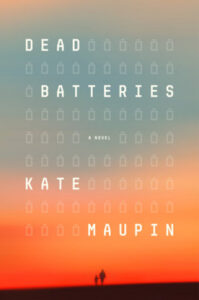
Dead Batteries, written by Kate Maupin, is issued by Crown, an imprint of the Crown Publishing Group, a division of Penguin Random House, LLC.
