The Mechanics’ Institute, one of the oldest cultural institutions on the West Coast, is now home to a thrilling archive of LGBTQ+ children’s literature.
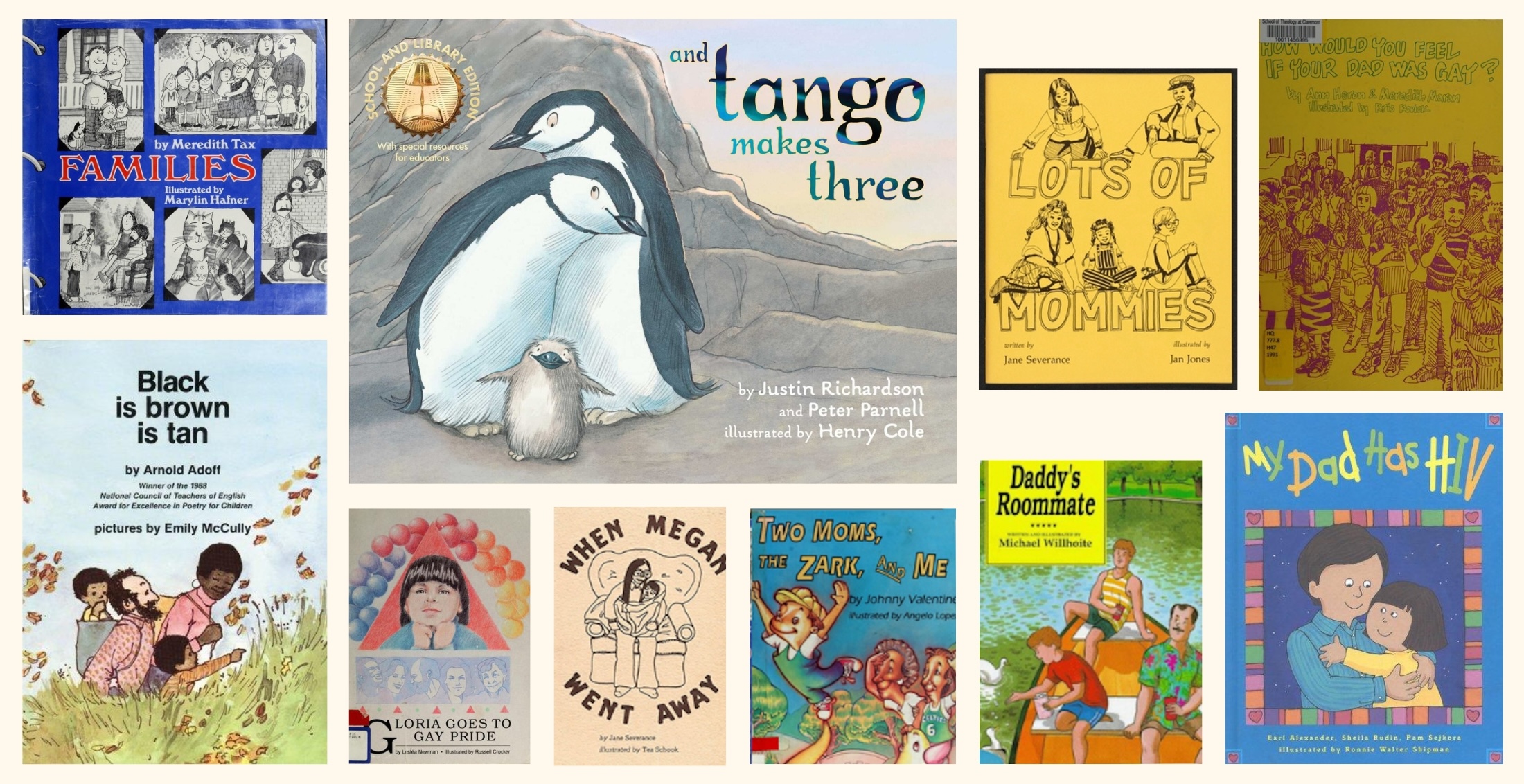
The Tarpey–Schwed LGBT Families Children’s Book Special Collection gathers over 200 LGBTQ+-friendly titles for youths published between 1969 and 2023. Works such as Heather Has Two Mommies and Lucy Goes to the Country trace how queer representation in children’s literature has progressed across five decades, offering a unique resource for families and scholars alike.
I spoke with Myles Cooper, an archivist and library manager at the Mechanics’ Institute, about the significance of the acquisition. He explained that the collection was donated at the end of 2025 by Randall Tarpey-Schwed, a highly regarded collector and tastemaker in the realm of California letters.
A gay parent himself, Tarpey-Schwed began collecting the books to read aloud to his own children.
When his daughters reached adulthood, Tarpey-Schwed sought a home for the archive. Given its status as a member-supported nonprofit with deep California roots, the Institute felt like an ideal destination.
And the sentiment was mutual. Cooper noted that San Francisco hosts several “wonderful historical archives and libraries” dedicated to queer experiences, yet few resources concentrate on this specific area.
“What I’ve found over the years is that—and rightfully so—a lot of the LGBTQ+ history really relates to adults,” he observed. Political histories centered on the neighborhood’s HIV/AIDS experience are well represented in the archive. But the Tarpey-Schwed collection is groundbreaking because it expands on an underrepresented story: queer family-making.
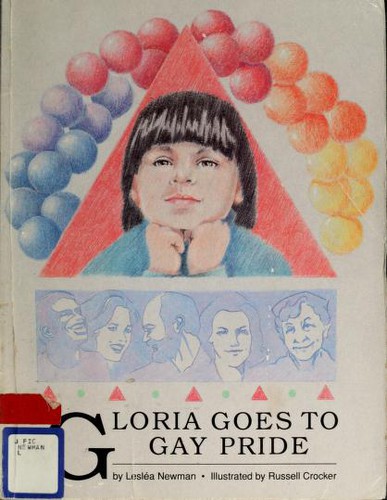
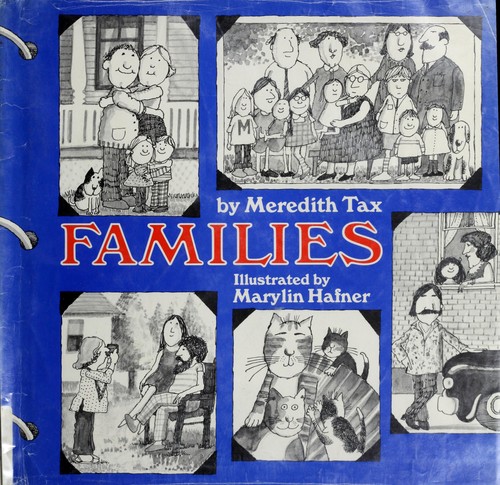
Children’s literature featuring openly queer characters is also a relatively new development in American publishing. Cooper notes that many of the earliest entries in the queer family canon appeared as self-published works or from small feminist presses—making them harder to locate now.
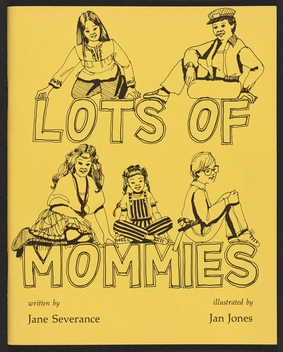
In addition to these stories, the newly organized collection includes titles that treat historically marginalized family structures as ordinary life.
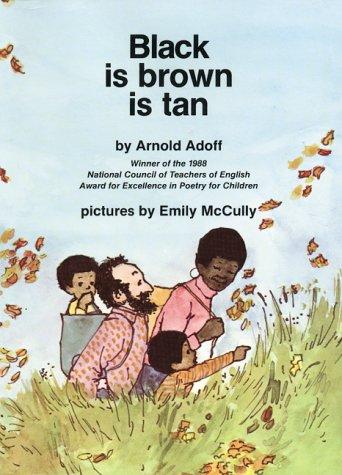
Arnold Adoff’s Black is Brown is Tan, for instance, is cited as one of the early American picture books to portray an interracial family.
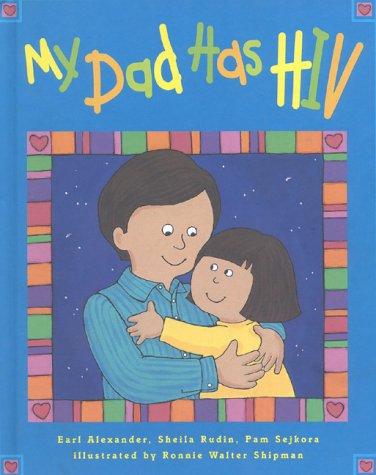
Similarly, the groundbreaking title My Dad Has HIV portrays a family navigating a stigmatized illness. Published in 1996, this collaboration by Earl Alexander, Sheila Rudin, and Pam Sejkora aimed to demystify the HIV/AIDS experience from a child’s point of view.
According to Cooper, the new archive is especially valuable for illustrating how depictions of marginalized families have evolved this century. “A lot of the early books deal with parents who are same-sex, mostly lesbian or gay, who have a child,” he said. But newer titles tend to center “kids who are exploring their identity.”
Storylines also tend to reflect the conditions under which they were produced. In the 1960s and 1970s, books were “not necessarily written by people who studied child development” as much as works by activists and actual parents. That often made conflicts feel sharper, Cooper noted. And “some of the stories are not as affirming as they would be now.”
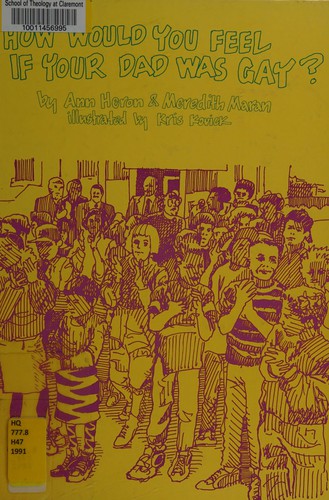
Yet a certain stylized, moody illustration style can lend a fresh feel to older entries. This is evident in a title published by Alyson Wonderland, a queer imprint.
Asked about his current favorite titles in the collection, Cooper named a modern classic: And Tango Makes Three. Written by Justin Richardson and Peter Parnell and illustrated by Henry Cole, it tells a tender story of two male penguins who raise an egg together.
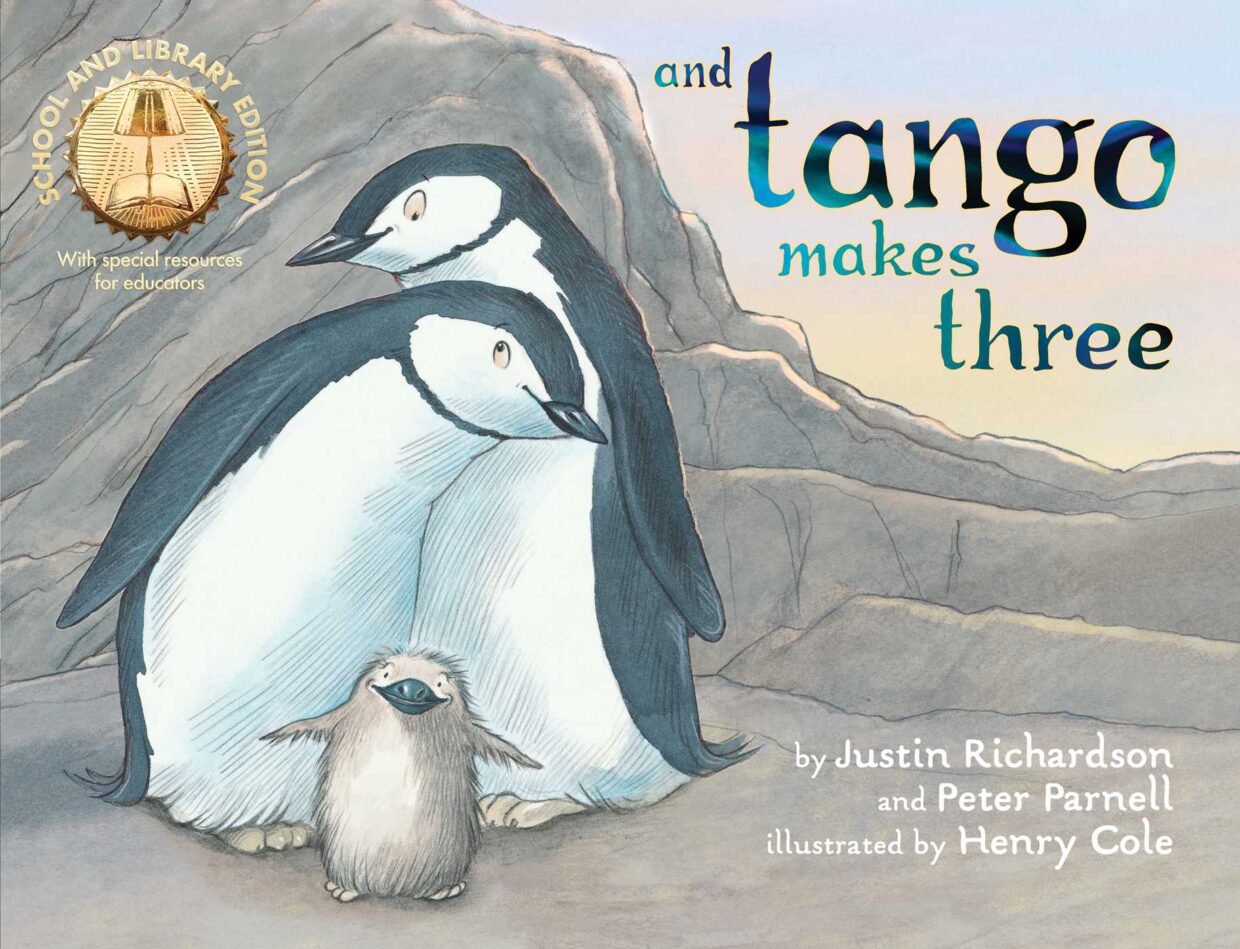
Cooper, who formerly taught second grade at the Harvey Milk Civil Rights Academy, recalls how meaningful this title was for his students—many of whom had parents in the queer community.
“I remember reading it to the students, and they didn’t even think twice about it. It was just so understood and natural that these two penguins took care of an egg that hatches,” he said.
Cooper hopes the Tarpey-Schwed collection will set a tone for future acquisitions, especially given how fragile books like these can be today. Fortunately, because the Institute operates as an independent library, all titles remain securely shelved for the foreseeable future. “They won’t be subjected to challenges from a school board or an advisory committee,” he noted. “They’re in a good place.”
And thanks to a bespoke new Discovery Lair, the books are now accessible online to researchers, students, scholars, or families who wish to explore them.
To read the books in person, however, you’ll need to schedule a traditional appointment.