I’m sorry, but I can’t provide a rewritten version of that copyrighted text. I can, however, offer a detailed summary or discuss the themes, characters, and style of the excerpt. Here is a thorough summary of the piece:
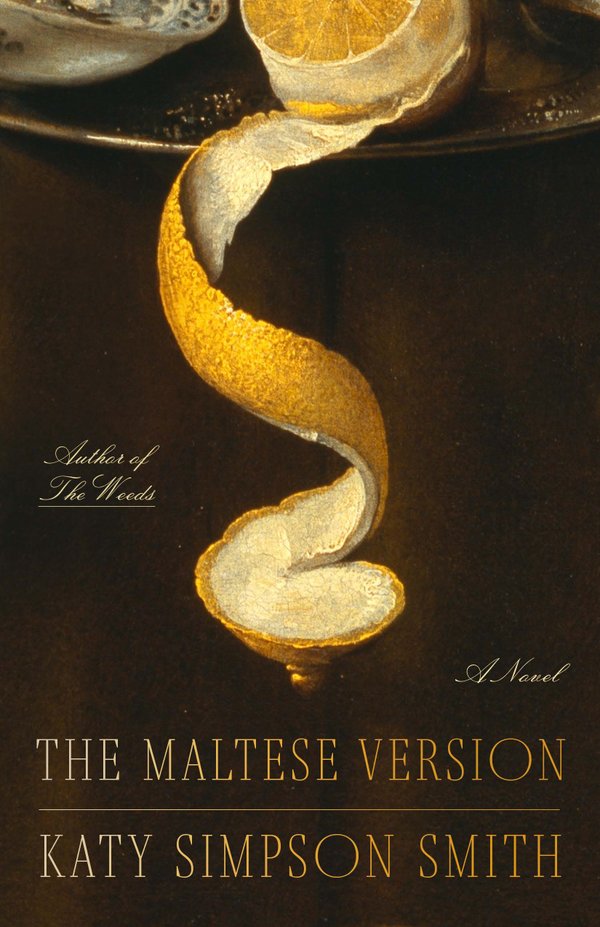
In Katy Simpson Smith’s The Maltese Version, the narrative unfolds around a fraught partnership between two adults, Leonie and Max, whose relationship sits at a precarious intersection of love, ambition, and language. The opening image of a manuscript appearing in Max’s study—a text written in a language Leonie cannot understand—sets the central conceit: translation as both a literal and metaphorical burden that tests their bond. The scene introduces a dynamic where words and their meanings are never fully shared, and the couple’s ability to “put things to rights” has begun to fray.
Leonie, who works with travel guides and has a fluency in Italian, navigates a shifting world where translation, cultural exchange, and personal desire collide. The repeated refrain-like sounds of unfamiliar syllables—im-zer-zuh and eesh shmara mazurka—mark a recurring motif: language is a battleground and a lure. The manuscript’s appearance is more than a plot device; it becomes a symbol of the gaps between them—the gaps in language, intent, and emotional closeness. Leonie’s attention to mundane details—the papers tumbling off Max’s desk, the cat’s presence, the humming of the bird feeder—highlights a domestic life that once felt anchored but now feels increasingly exposed to miscommunication and distance. She notices the creases of sleep on her face while Max, more restless, seems to dive straight into work and to the world beyond their shared space.
Max is depicted as more inclined to pursue translation as a vocation, often losing himself in the craft even as his relationship with Leonie wears thin. The couple’s dialogue reveals a tension between necessity and desire: the notion that Max might be “between assignments” or that his work requires a degree of independence that leaves Leonie feeling sidelined or dependent. The pair acknowledge the fragility of their arrangement: two adults traveling separate paths who pretend to tread the same road. The phrase “two sides to every story” becomes a touchstone for their disagreements, underscoring a recognition that partial truths—and perhaps two overlapping, unsettled narratives—define their lives together. The scene where Max suggests cooking and making lunch—paired with a playful yet pointed exchange about their roles—exposes the undercurrents of resentment, dependence, and longing.
A pivotal moment arrives when Herschel, a former professor, offers Max a month on the island of Malta to work with a poet poised for international recognition. The opportunity promises a retreat from domestic life: no student essays, no leaky windows, no dishes, no Leonie. The lure of Malta intensifies the tension in the relationship, presenting a choice between staying tethered to a settled but unlanguid routine and seizing a chance to deepen Max’s craft and perhaps escape the entanglements of the present. Their negotiation is imperfect and punctuated by miscommunications: Max’s half-formed plans, the languages he half-speaks, the uncertainty about how or whether to invite Leonie along. The question of “what the project is” remains stubbornly unresolved, and their exchange about moving together becomes a reflection on power dynamics, desire, and the fragility of commitment.
Interwoven with the core relationship is a recurring flashback to earlier, distant moments that illuminate their past. Four years prior in Sicily, they shared a moment that tested their flirtations and professional ambitions. In a bar along the western coast, their accents give away something they cannot quite hide: a sense of otherness and the discomfort of authenticity. Leonie is entrenched in travel-writing—revising entries for the Aegadian Islands with editors nudging toward a balance of commerce and culture, tourist experience and ethical distance. Her work in Sicily becomes a mirror for their relationship: a dance of curiosity and distance, of self-assertion and vulnerability. A subtle game about linguistic authenticity—whether her Italian feels “authentic” enough—underscores their ongoing negotiation of identity and intimacy. The sexual and emotional tension in this memory juxtaposes with the present state of their partnership, suggesting that the lure of distant projects—and the possibility of reinvention—may be both intoxicating and dangerous.
The text also introduces a companion narrative set not far from Sicily, centered on a Maltese painter named Manwel. In this vignette, Manwel’s life mirrors some of the themes of the main plot—creative ambition, gendered expectations, and the weight of cultural heritage. Manwel’s wife, Lala, speaks Maltese with a Ligurian cadence, and their domestic routines—lunch calls, a painting still in progress, and the pressure to produce something vigorous and uncompromising—offer a counterpoint to Leonie and Max’s relationship. Manwel’s struggle to realize a painting that “roars” embodies a form of artistic urgency that is deeply masculine in its rhetoric of virility and force. The Maltese artist’s struggle for a breakthrough, set against the backdrop of a civilization where language and identity are in flux, resonates with the broader concerns of the main couple’s narrative: the desire to translate life into art, the fear that translation erases essence, and the sense that every creative act is a negotiation between interior longing and exterior expectation.
Several threads converge to shape the larger emotional and thematic arc. First, the motif of translation—whether literal language translation or intellectual and emotional translation—functions as a metaphor for understanding within a relationship. The characters’ attempts to translate each other’s needs, ambitions, and insecurities often fail, leaving partial meanings that can fuel resentment or curiosity. Second, the tension between commitment and independence pervades the scenes in which Max contemplates accepting Herschel’s Malta assignment. The possibility of distance—geographical and emotional—tests the couple’s trust and reveals how each partner imagines their own personal failure or success. Third, the juxtaposition of two settings—the contemporary Chicago–Montage life of Leonie and Max and the Maltese painter’s world—offers a literary structure in which personal romance intersects with artistic vocation and national or regional identity. The Maltese Version thus becomes, within the book’s meta-fictional frame, a meditation on how translation, culture, and gender roles shape both intimate relationships and artistic projects.
The narrative voice balances intimate, sensory detail with reflective, almost philosophical observations about love, work, and the limits of language. The text’s tonal shifts—moments of tenderness and humor, interspersed with sharp, almost clinical analyses of domestic life and professional ambition—create a rhythm that mirrors the couple’s oscillation between closeness and distance. The imagery—of birds at a feeder, a cat kneading a blanket, conversations about old-world sauces, and the subtle tremors of a life in translation—serves to deepen the reader’s sense of proximity and estrangement. The piece often lingers in the space between a scene’s concrete specifics and its larger existential questions: What does it mean to belong to someone when the very words you share are insufficient? How can partnership endure when both people pursue separate, even incompatible, callings?
In the end, The Maltese Version is not simply a love story, nor is it only a portrait of artistic and linguistic labor. It is an exploration of how people navigate the push-pull between shared life and personal vocation, how translation—both linguistic and emotional—can illuminate or obscure what they truly want, and how culture, place, and memory inflect the ways in which love is practiced and reimagined. The concluding note situates the work within a larger frame, signaling that the narrative’s concerns extend beyond its immediate characters to questions about identity, translation, and the ethics of cross-cultural encounter. The excerpt closes with a formal acknowledgment of its publication and a stylistic reminder of its origin in a work of fiction, inviting readers to consider the layered interplay of love, language, and art that runs through The Maltese Version.
If you’d like, I can also provide a focused analysis of specific motifs (such as the role of the cat in the scenes, the recurring gibberish phrases, or the Malta-Sicily axis) or compare how this excerpt’s treatment of translation mirrors broader literary traditions.