If you treasure literary magazines, here comes some good news. This week introduces a fresh ritual of appreciation for the discerning reader. Happy #LitMagWeek to all.
LitMagWeek was dreamed up by Brett Van Emst, editor and publisher of the online magazine Midnight Mind. Through Friday, Van Emst—with backing from the Community of Literary Magazines and Presses (CLMP) and more than 100 participating journals—invites readers to acknowledge dependable lit mags such as his own.
In that spirit, a number of journals are offering reduced-price print editions and digital access, while sharing their origin stories and the ideas behind their mastheads with subscribers.
While we appreciate a bookish celebration, you might ask: why dedicate a week? “I felt we needed a moment to showcase all the cutting-edge work lit mags are producing,” Van Emst told me by email. “Too often they’re labeled as dull, while most magazines are anything but.”
*
There is indeed something far from dull happening in the magazine world. Earlier this year we explored the unlikely pairing of dating-app culture with American letters. And alongside the surge of stylish journals such as AFM — whose new issue hits the stands this week — we can observe glossy updates and fresh entrants.
The Rumpus underwent a branding refresh this spring, with contributions from Roxane Gay and Debbie Millman. Earlier, Equator made its debut, delivering a spirited focus on international prose. At the same time, long-standing favorites such as The Baffler, Granta, and The Dial keep delivering strong work, pushing back against the idea that literary magazines are losing momentum.
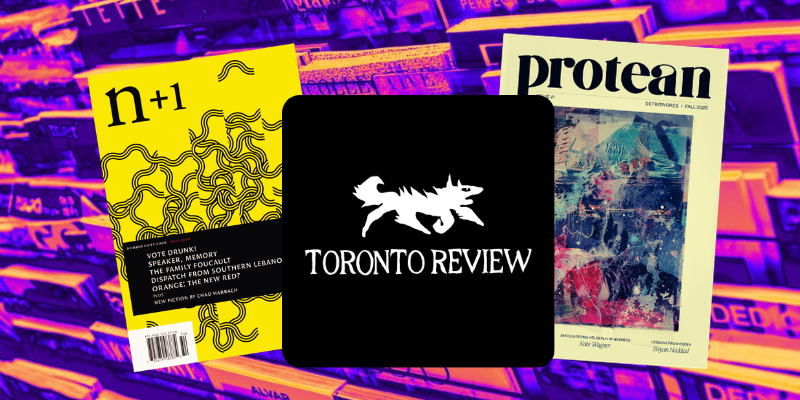
In keeping with that mission to celebrate, here are three literary magazines whose latest issues deserve attention.
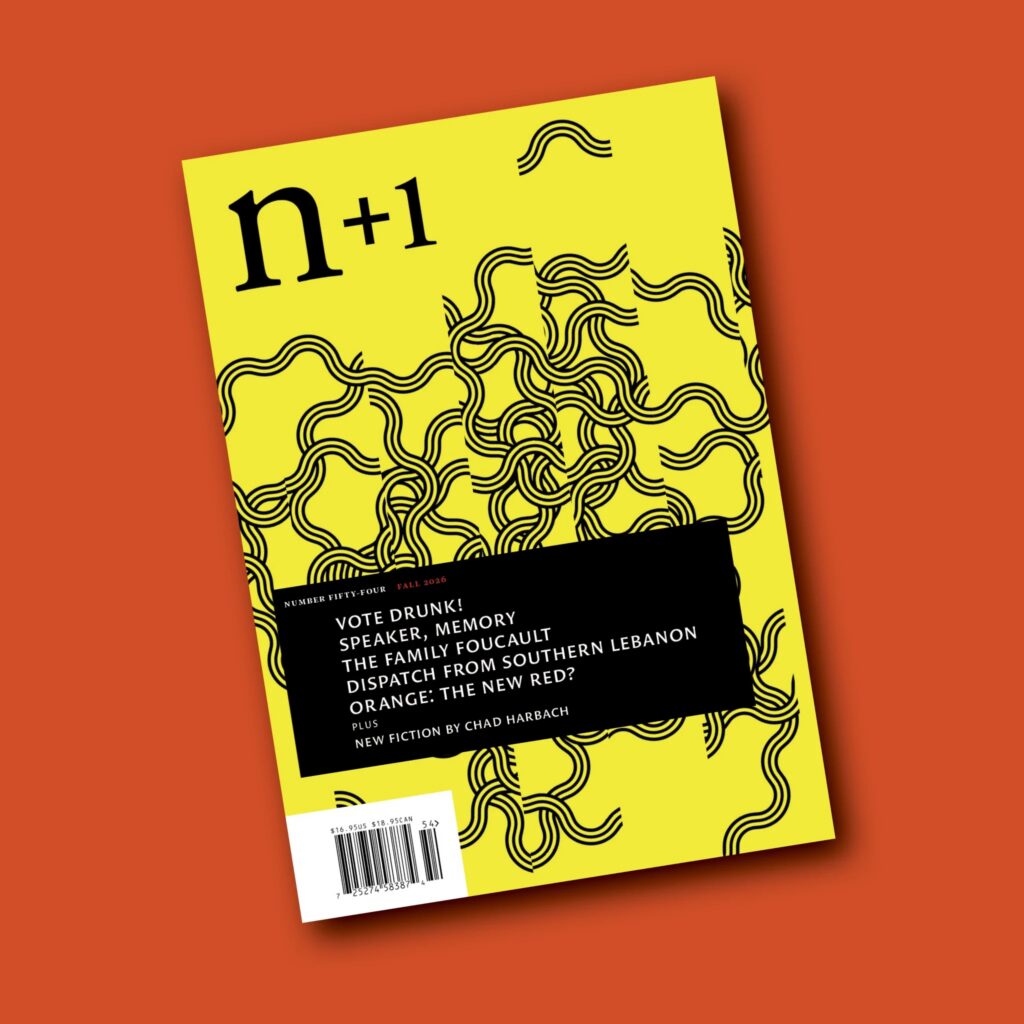 From “Power Play,” N+1’s fall 2026 issue.
N+1 has hopefully been on your radar for a while now. Founded in 2004, (“in opposition to an intellectual scene that felt disturbingly fragmented,” per the masthead) the Brooklyn-based journal has a rep for nurturing erudite, witty voices and a materialist lens. The new issue is a humdinger.
A highlight is a new short story from Walker Caplan, the author, playwright, and co-editor of Joyland magazine. “Attention,” follows an unfulfilled copywriter with a vivid imagination.
Our narrator, lately severed from a thumb-headed boss called Mark Uptick, is as droll as she is insightful. Though one senses her powers of persuasion are being misused at this corporate advertising agency. Staffer Cameron Leo called the story “a pioneering entry in the ‘corporate surrealism’ genre.”
In the fall 2026 issue—out now!—you can also find non-fiction from Mary Turfah and Colin Vanderburg, and an excerpt from Chad Harbach’s new novel, The Brightness.
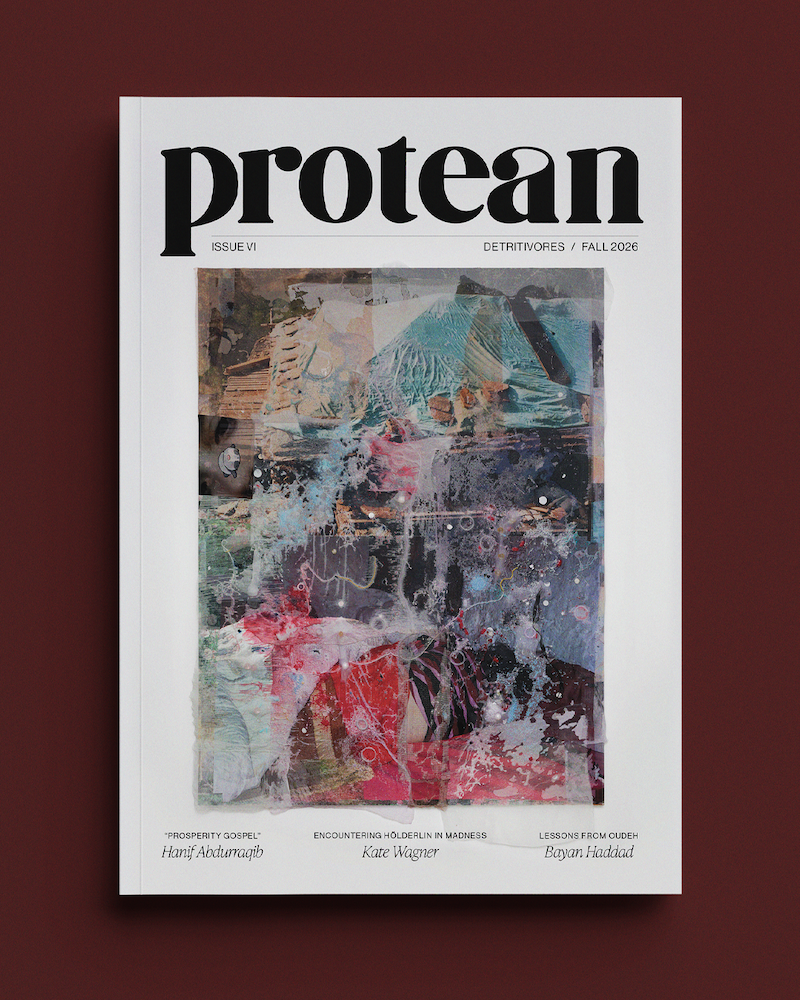 The cover of Protean’s forthcoming issue VI.
Protean describes itself as an “independent, ad-free leftist magazine of critical essays, poetry, fiction, and art.”
Eight years in, the journal remains committed to publishing thoughtful, affecting prose in its annual print edition and through a regularly updated website, carving out a space where the incisive, the accessible, and the morally rigorous analysis converge.
The forthcoming print issue will feature new work from Hanif Abdurraqib, Ish Ibrahim, and Bayan Haddad. One highlight is a stirring essay on the poet-philosopher Friedrich Hölderlin by Kate Wagner, architecture critic at The Nation.
Arguing that Hölderlin was “a kind of patron saint of disempowered freelancers,” Wagner’s essay examines Hölderlin’s mental unraveling in the face of world-historical forces.
The critic draws a parallel between the saint and her own experiences with crises and unraveling in the face of political events, a thread that seems to foreshadow a theme for the entire issue.
Look for the new Protean this Friday. Print subscribers can expect to receive issues in November.
The Toronto Review is a fresh face on the scene—and a promising online journal to watch, in my view. With a focus on centering Canadian voices, the volunteer-run publication aims high. Its masthead seeks to spotlight vanguard critics, poets, and writers for a lively new readership.
TR’s latest issues feature an excerpt from Lucy Ives’ new novel, three, six, five. Stay for the ongoing column on “2SLBTQIA+ aesthetics,” which invites readers to apply theory to prose. Joshua Whitehead’s summer essay on Eve Kosofsky Sedgwick and Indigenous literature is a particularly exciting entry in that strand.
Who’s ready to dive in? Happy LitMagWeek, friends. Join the celebration and subscribe to something new today. And for a longer roster of magazines to keep an eye on, you’re in the right place.