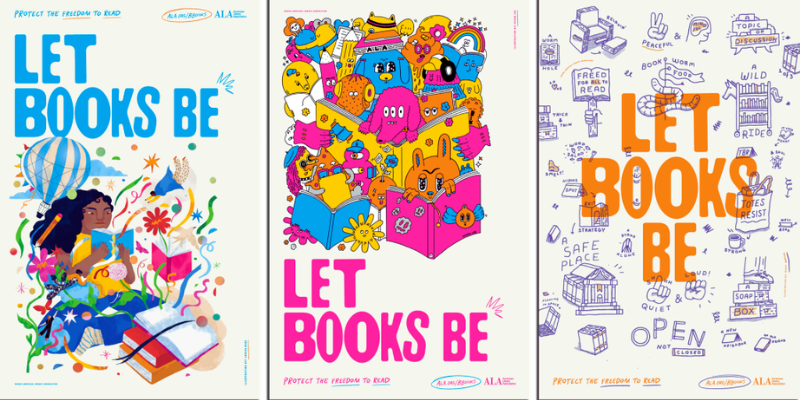
In honor of Banned Books Week, the American Library Association (ALA) has published a list of the 150 most challenged books documented between 1990 and 2025.
The ALA’s Office for Intellectual Freedom tracked 4,235 challenged titles last year, the second-highest total on record. In this season of feverish censorship, this shouldn’t come as a surprise. But what is remarkable is the below list’s content and scope.
Here’s a breakdown of the ALA’s data, including key takeaways about the most banned books. Perhaps you’ll be surprised to note that the list includes…
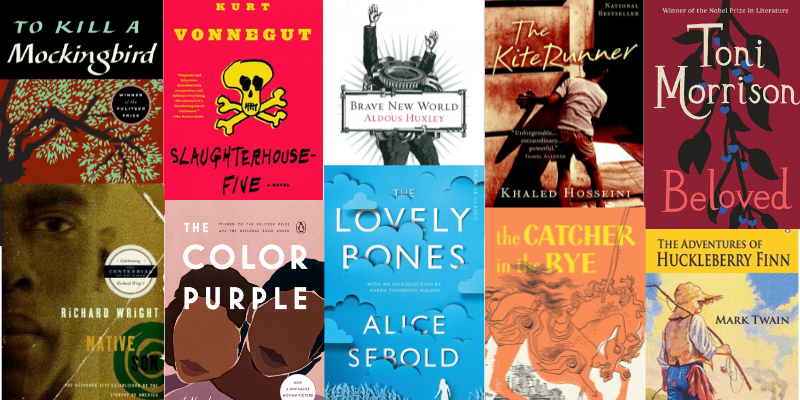
Twenty adult classics.
Note: I define these as canonized novels written for adults. Plenty of usual suspects to see here, including Harper Lee’s To Kill a Mockingbird, and Maya Angelou’s I Know Why the Caged Bird Sings. Killjoys also continue to rail against Salinger, Twain, Wright, Morrison, and Huxley.
But on the contemporary end, this reader was surprised to see Yaa Gyasi’s Homegoing and Sara Gruen’s Water For Elephants getting top ban marks.
Who knew censors were so pressed by—respectively—emotional migration, and avenging circus animals?
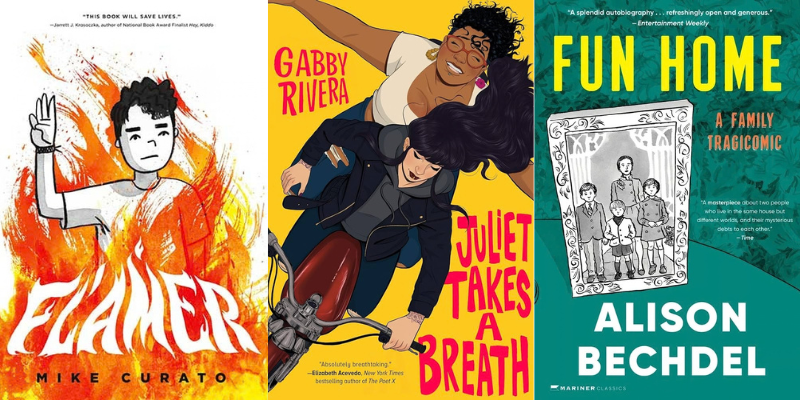
8 graphic novels.
Though a newer category, the graphic novel has apparently put a bee in many a censor’s bonnet. Illustrated bodies being even more alarming than the ones you can imagine based on words alone.
The list includes titles by Alison Bechdel, Gabby Rivera, and Craig Thompson. Notably, a graphic novel adaptation of another frequently banned title, Margaret Atwood’s The Handmaid’s Tale, caught double fire.
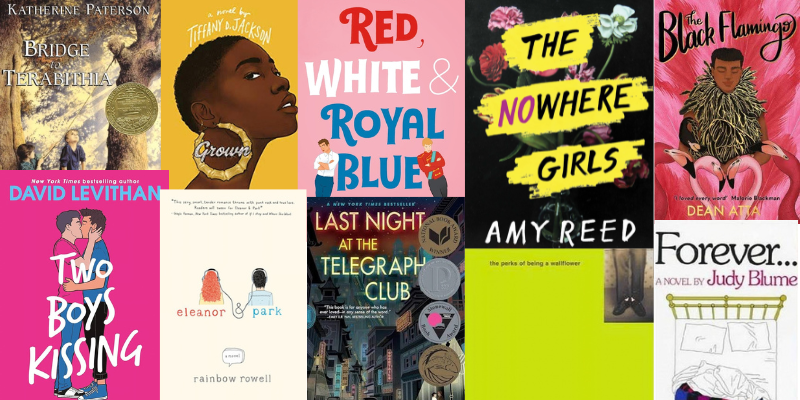
81 young adult titles.
Strikingly, the ALA found that the vast majority of banned books challenged since 1990 were written for a young audience.
Theme-wise inside that category, gender and sexual content seems to have tripped far more censor wires than books dealing directly with gun violence, racial violence, mental illness, drugs, the immigrant experience, or—on that goofiest of ends—the the “occult.”
Certain writers have been made repeat offenders. No fewer than 14 books by young adult author Ellen Hopkins made the list. Another recurring name in these stacks is Lauren Myracle, who’s had six of her books challenged.
I was surprised to see a strong historical fiction presence in this category, thanks to the inclusion of books like Malinda Lo’s Last Night at the Telegraph Club. Ditto smutty-lite, materialistic franchises—like Cecily von Ziegesar’s Gossip Girl series.
(I mean for god’s sake, haven’t they shamed Serena van der Woodsen enough?)
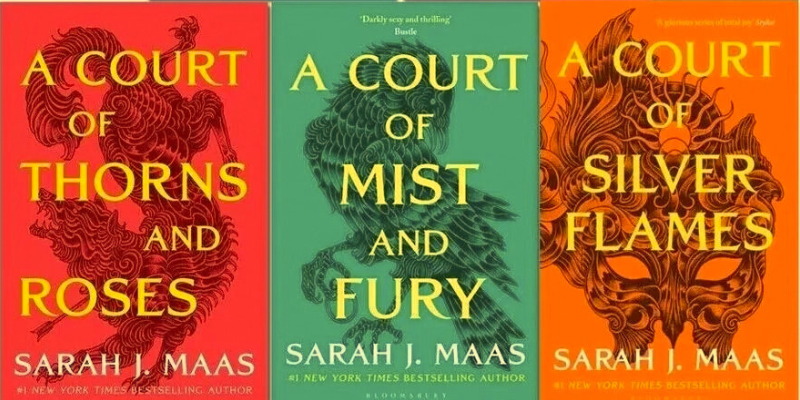
10 romantasies.
Sarah J. Maas takes the cake in this admittedly novel category. Nine of her books made the most banned list.
Elsewhere in romantasy-land, there has been substantial historical heat around Cassandra Clare’s Clockwork Princess, the third book in her best-selling Infernal Devices trilogy.
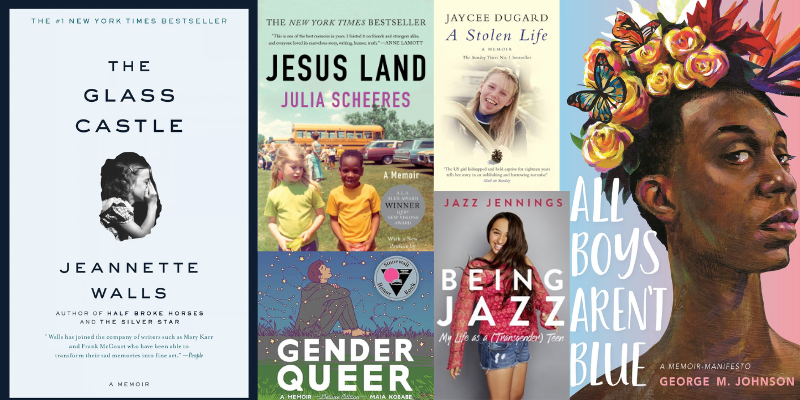
8 memoirs.
Books in this category address sexual violence and abuse, coming out, and religious trauma. To be honest, I was surprised to find only eight autobiographies on the whole list. Wouldn’t true stories seem more threatening to a power-mad book burner? But if there’s a single takeaway here, it’s that book banners follow very little rhyme or reason.
The ALA’s roster also includes five puberty guides, one anti-racist handbook, and six titles that resist straightforward classification—to the point that it’s difficult to guess how they earned a challenge in the first place.
Books in the latter space include two Rupi Kaur collections, and a compilation of ghost stories. I’ll hazard a guess that the Satanic Panic is responsible in all these cases.
You can read up on (and support!) the 150 most banned titles here. In the meantime, fight the good fight and consider buying a banned book today.
Let Books Be illustrations by Loveis Wise, Hyesu Lee, and Mikey Burton.